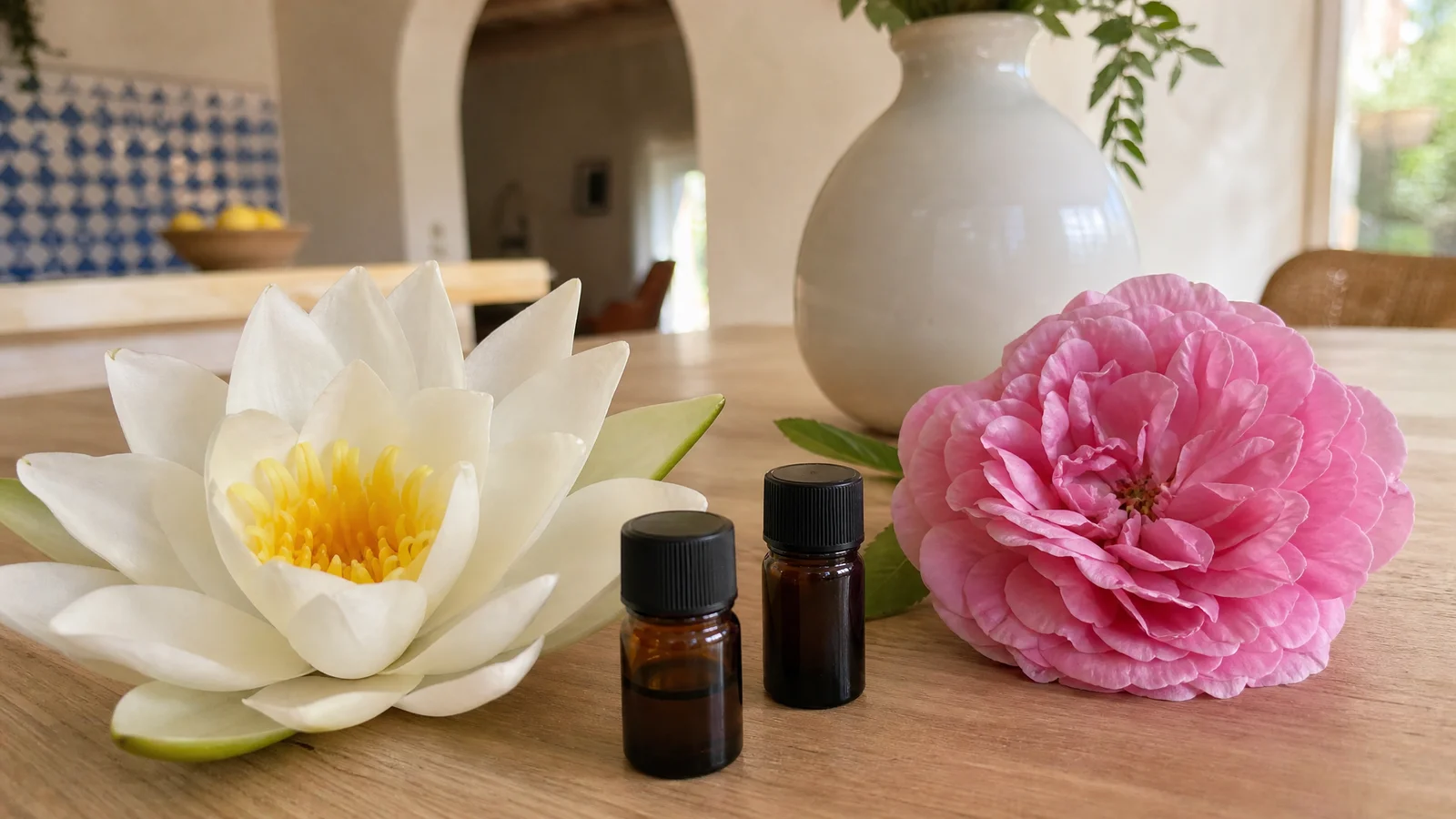
Lotus vs Rose Absolute: Which Floral Fits Your Blend?
Rose is the floral everyone knows, and white lotus is the one people ask about. Choosing between them is partly a question of scent and partly a question of how much you want to know about what is in the bottle. We like thinking about both halves, because they point to different answers for different projects.
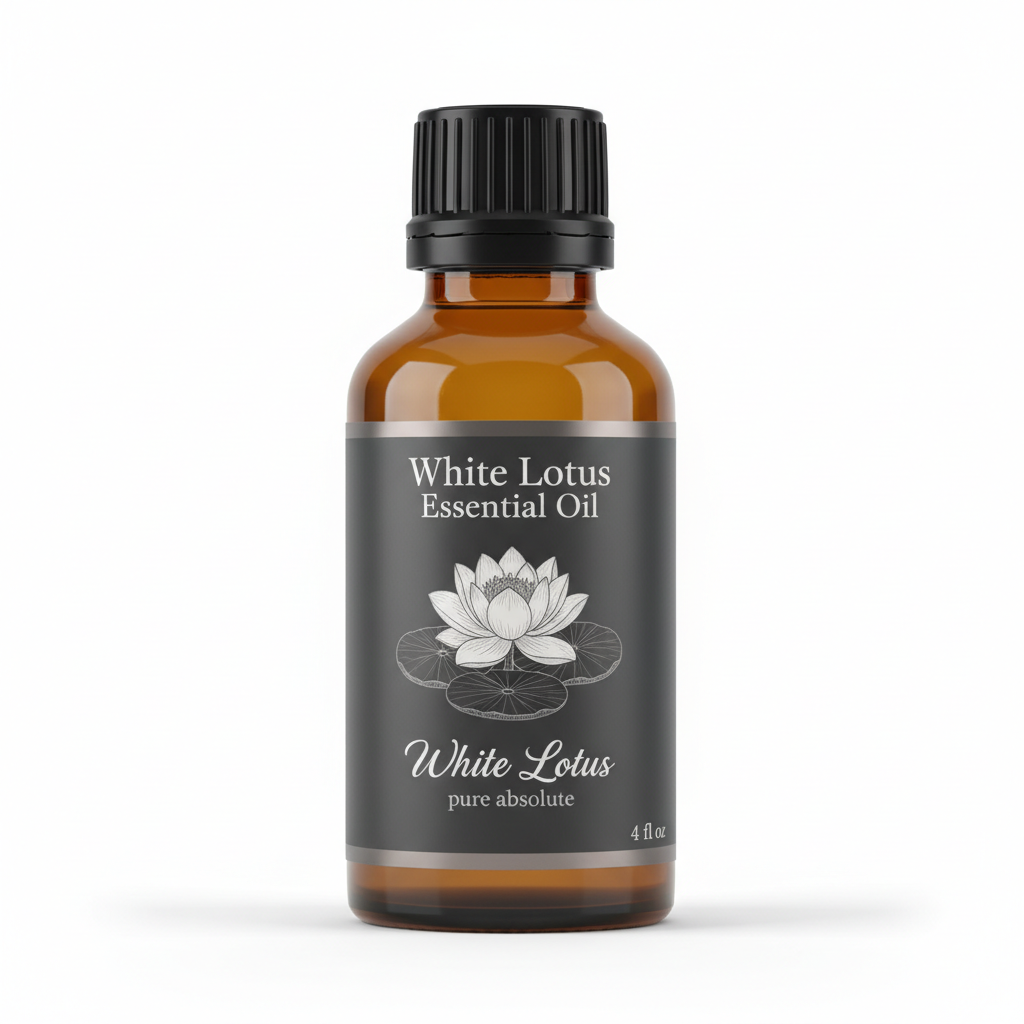
White Lotus Absolute
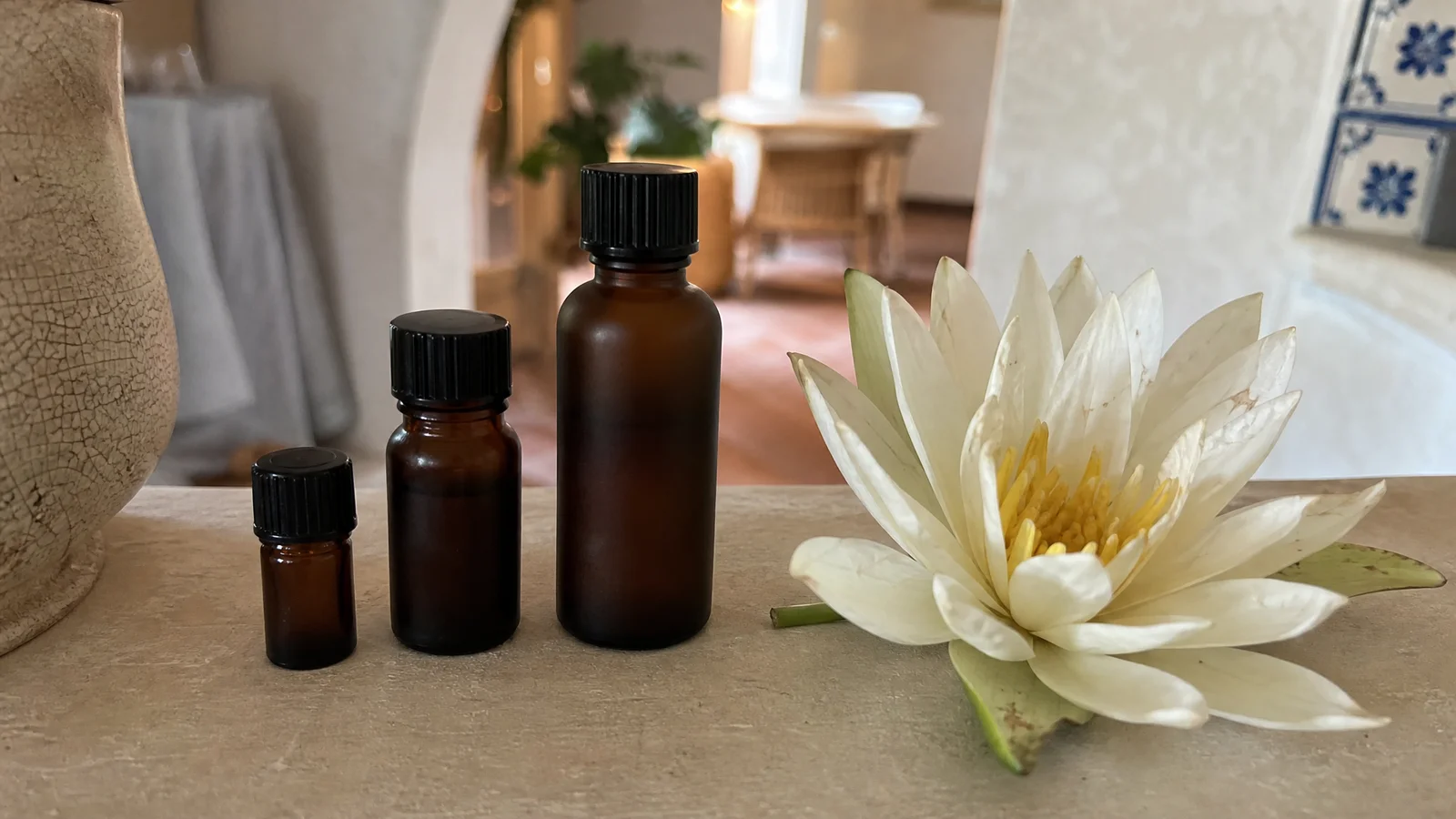
Our own White Lotus Absolute, in sizes from 0.5 oz to bulk.
From $23.99
Shop Now →Rose has a reference profile, lotus is still being mapped
For rose, a peer-reviewed analysis of absolutes made from concretes and extracts supplied by three companies found that rose absolute consists mainly of beta-phenylethyl alcohol, citronellol, geraniol, nerol, eugenol, methyl eugenol, geranyl acetate, benzyl alcohol, nonadecane, nonadecene and farnesol (Ayci et al., 2005). A buyer can lay a supplier's GC-MS report beside a list like that and see whether the two agree.
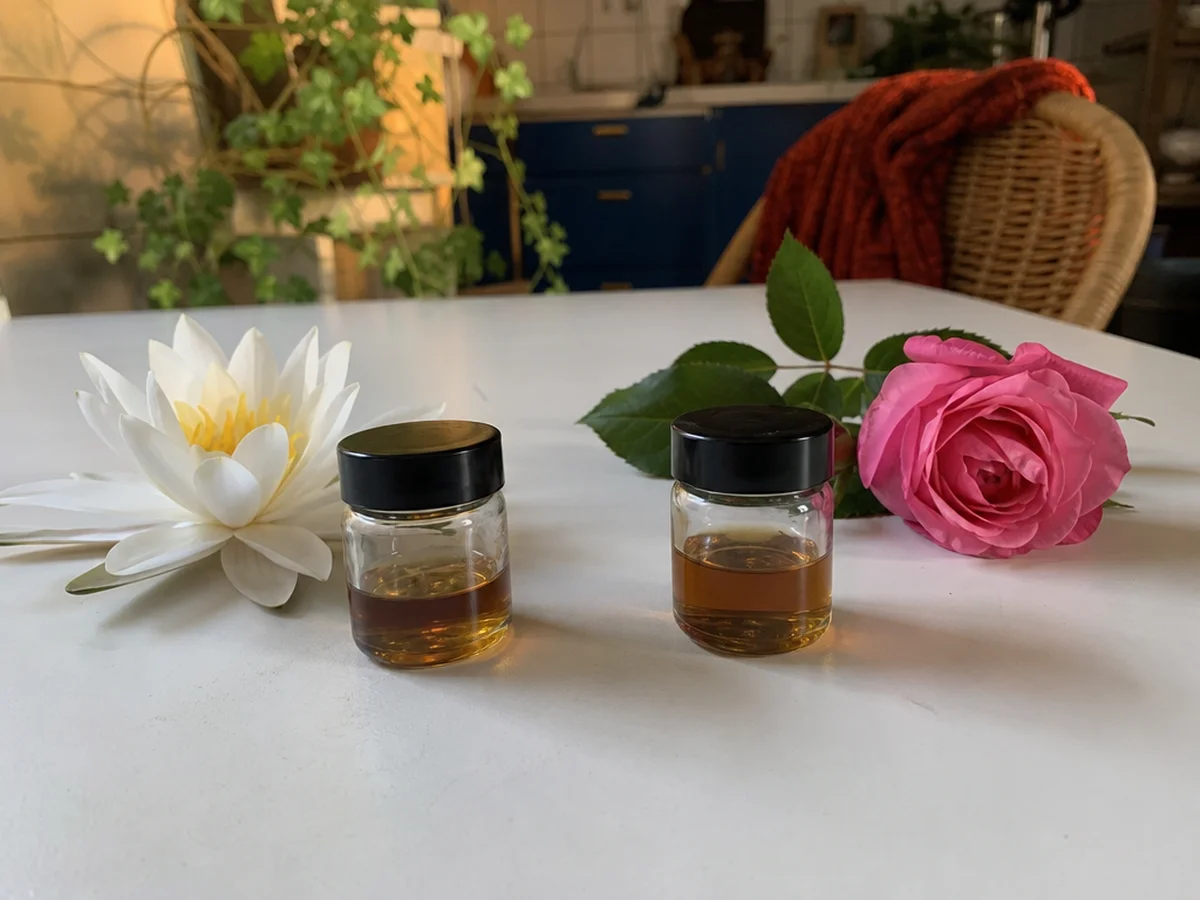
Lotus has less to compare against. The detailed analysis of a lotus concrete and absolute that we draw on studied blue lotus, Nymphaea caerulea, made in China, not the Nymphaea lotus named on our label and our Certificate of Analysis (Dosoky et al., 2023). Its absolute was mostly waxes, fatty acids, alkanes and sterols, led by 6,9-heptadecadiene and benzyl alcohol. That is a useful picture of the class, but it is not a profile of our bottle. The certificate we publish for one batch reports a relative density of 0.985, a refractive index of 1.485 and an optical rotation of +0.86 degrees at 20 C. If your project calls for a GC-MS report, ask us in writing through the contact page before you order.
Reasoning from those two papers, the practical lesson is that the more a material has been analysed in public, the easier it is to hold a seller to a standard. With lotus, the paperwork you request carries more weight, which is why our buying guide is built around questions to ask.
The scent decision
We would rather you smelled than read, since words are weak evidence for scent. Rose is the familiar one: sweet, rounded and classic, which follows from a chemistry rich in floral alcohols like phenylethyl alcohol and geraniol. Our lotus is aquatic, honeyed and serene, with watery green florals over a warm, faintly spicy sweetness and a soft leathery finish. We list it as a heart note, and rose is one of the materials we list as a partner for it, along with sandalwood, frankincense, jasmine, vetiver and soft musks.
The simplest test is the fairest. Dilute each material to the same percentage by weight, put them on paper strips side by side and return to them over an afternoon. Absolutes are viscous, so weigh rather than count drops. Our posts on what white lotus smells like and building an aquatic floral heart go deeper on the lotus side.
Imagine the finished product
Before you choose, picture the thing you want to make and who will enjoy it. A solid perfume for a friend who loves classic florals might point to rose. A cooler, greener, more unusual scent for yourself might point to lotus. A scent card for a desk drawer could go either way. Starting from the finished object, not the ingredient, keeps the decision grounded.
On skin
Both are meant to be diluted. Our guidance for the lotus absolute is 0.5% to 2% in a carrier with a patch test first, and we begin at 0.5%. The patch-test data we can point to is for another floral: in clinic data from 10,930 dermatitis patients tested with 12 essential oils, jasmine absolute produced positive reactions in 1.8% (Geier et al., 2022). That is not a rate for rose or lotus, and it comes from people referred for suspected allergy, but it is a good reminder that a floral absolute is a strong material. For either one, ask the seller for an allergen declaration in writing if your product needs it. Our safety basics post gives a first-use routine.
Do not swap them by volume in a recipe. Strength, density and viscosity differ, and the sensible way to substitute is to build a new small trial at a set percentage by weight.
A good tip is to give each material a fair chance. Smell the strips at the start, after ten minutes and the next morning. Rose is a scent most of us carry in memory, so it can feel more familiar, while lotus may need a second visit before you decide what you think. Do not judge it on the first sniff.
So which one?
- Rose if you want the familiar floral and a material with a well-published profile to check a supplier against. We sell only lotus, so find rose at a perfumery supply house.
- Lotus if you want a cooler, honeyed, green-floral heart that is a little different from what everyone else is using, and you will ask us for any documents you need beyond the batch certificate.
- Both if you like layering. Lotus is a candidate to sit beside rose rather than replace it, and a small bench trial will show whether it lifts your particular formula.
If you cannot decide, pick the one you smell last and keep returning to. Make a small batch, write down the recipe, and see how it feels after a week of use. Your nose has opinions of its own, and they are usually worth following.
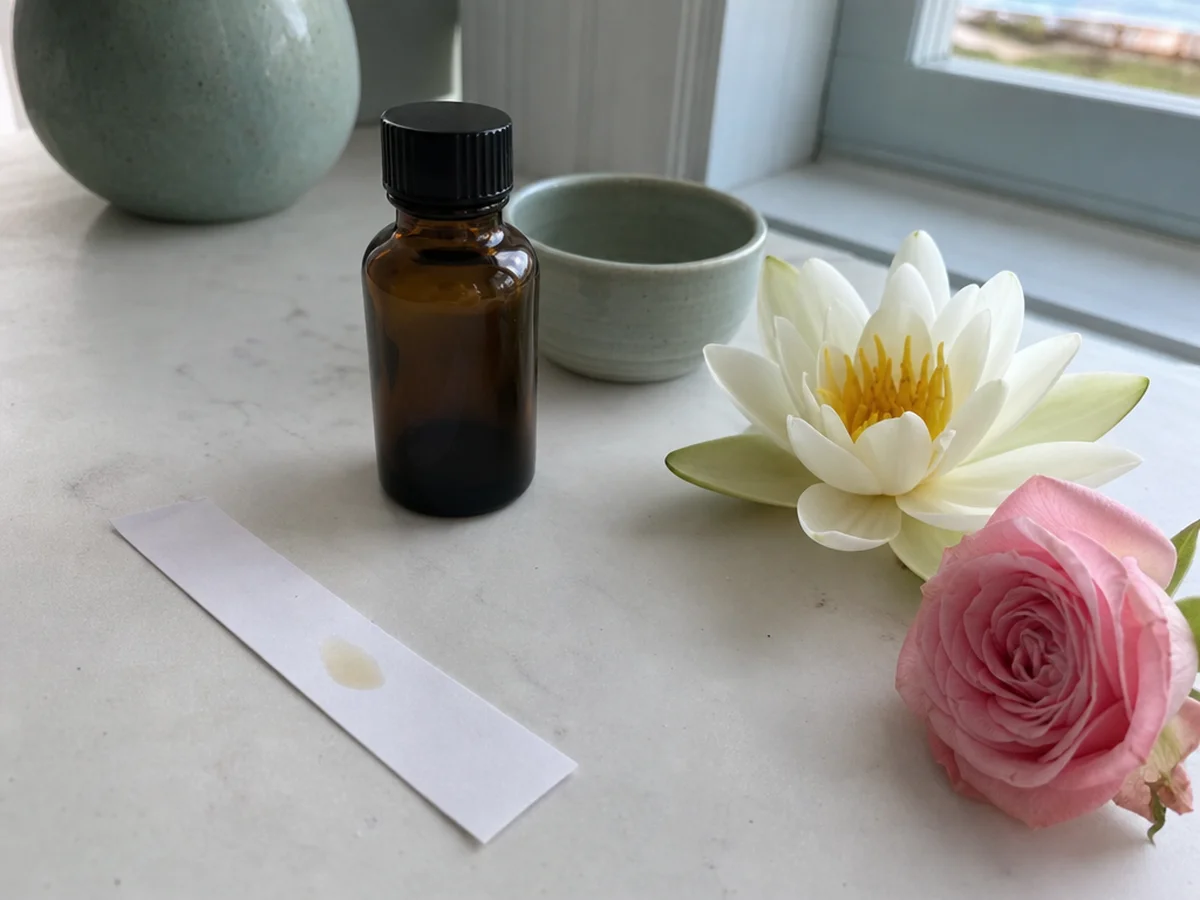
Our jasmine comparison covers the other floral most often set next to lotus. Either way, choose with your nose first and your paperwork second, and keep the first batch small.
White Lotus Absolute
White Lotus Absolute from our own shop, in sizes from 0.5 oz to bulk.
From $23.99
Shop Now →Sources & Further Reading
- Ayci F, Aydinli M, Bozdemir O, Tutas M, 2005. Gas chromatographic investigation of rose concrete, absolute and solid residue. Flavour and Fragrance Journal 20(5):481-486. doi.org/10.1002/ffj.1487
- Dosoky NS et al., 2023. Chemical Composition, Market Survey, and Safety Assessment of Blue Lotus (Nymphaea caerulea Savigny) Extracts. Molecules. pmc.ncbi.nlm.nih.gov/PMC10609367
- Geier J et al., 2022. Contact sensitization to essential oils: IVDK data of the years 2010-2019. Contact Dermatitis. pubmed.ncbi.nlm.nih.gov/35417610