What a Lotus Absolute COA Does and Doesn't Show
A Certificate of Analysis is a snapshot: what a lab or supplier measured on one sample, on one day. It becomes useful when you know what each line can and cannot say. We use ours as a worked example, since it is the one we know best.
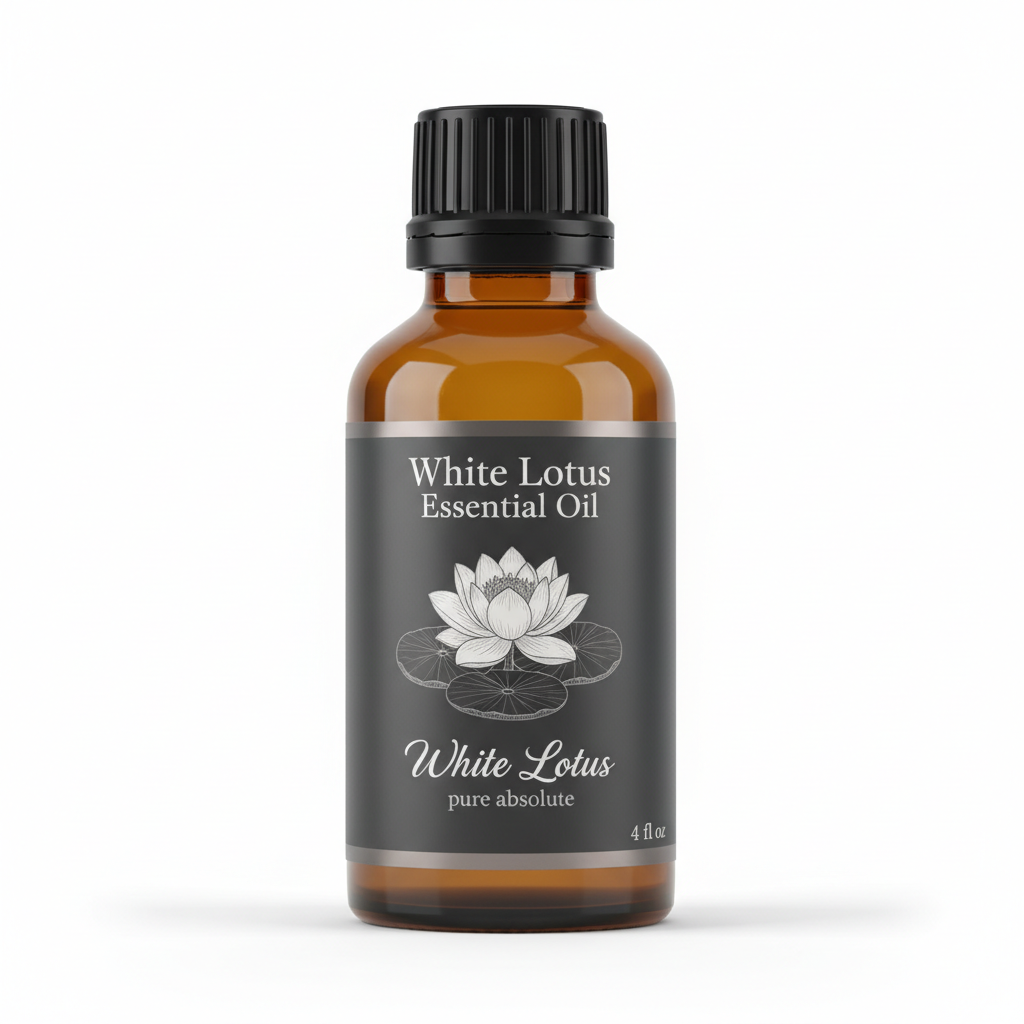
White Lotus Absolute
Our own White Lotus Absolute, in sizes from 0.5 oz to bulk.
From $23.99
Shop Now →What our certificate contains
The PDF we publish covers batch WLOAIUNNCNC005A. It names Nymphaea lotus and the flower as the part used, gives a best-by date of 07/18/2028, and records appearance and smell as "Complies" against stated standards. It also gives three measured values, each beside its range:
| Test (at 20 C) | Measured | Stated range |
|---|---|---|
| Relative density | 0.985 | 0.940 to 0.995 |
| Refractive index | 1.485 | 1.478 to 1.497 |
| Optical rotation | +0.86 degrees | 0 to +10 |
It is a certificate for one batch, so we describe it as exactly that. It lists physical constants. If you need gas chromatography (GC-MS), a residual solvent result, an allergen declaration or origin, ask us in writing through the contact page before ordering and rely on the written reply.
How we read one on a quiet afternoon
A certificate looks dry, but it rewards a slow read. Print it, take a pen and put a tick beside every line you understand and a question mark beside every line you do not. By the end you will have a short list of things to ask, and that list is the real product of reading a document. Questions about a batch number, a date or a missing value are perfectly ordinary, and a seller who welcomes them is a seller worth talking to.
What the three numbers tell you
Density, refractive index and optical rotation are the classic quick checks of aromatic raw materials. A reading inside its window shows the sample is in the right physical neighbourhood, and that is useful: it can catch a gross problem, such as a heavy mineral oil, and it helps show two batches are consistent. The windows are fairly wide, though (0.055 wide for density and 0.019 for refractive index), and by that arithmetic a deliberately blended material could be built to sit inside the same windows. So the numbers support "consistent with the stated specification", and not "this is Nymphaea lotus". Temperature matters too, because a reading taken at 25 C cannot be compared directly with a range stated at 20 C. A good report names its temperature, and ours does.
What GC-MS adds
Gas chromatography with mass spectrometry separates a sample into its compounds and identifies each one. For a lotus absolute, it would show whether the profile looks like a plant extract or like a perfume reconstruction. The only GC-MS profile of a lotus concrete and absolute we found is for blue lotus (Nymphaea caerulea) from China. Its absolute was led by 6,9-heptadecadiene and benzyl alcohol, followed by tetradecanol, oleic acid and pentadecane, and the same paper found synthetic fragrance components in all 11 market products it bought. That is a different species from ours, and the authors work for an essential oil company, so it shows what a profile can look like and is not a reference for our batch. We found no published GC-MS profile of Nymphaea lotus absolute, which means that a trace for ours would be judged on consistency and warning signs.
One run is also not a verdict. A 2024 study of 30 commercial fennel, star anise and anise oils found 6 flagged as adulterated by GC-MS, and 8 of 30 once stable isotope analysis was added, because some adulterants are chemically the same compound whether natural or synthetic. The authors recommend a multifaceted approach. A clean GC-MS lowers the odds of some kinds of cutting without excluding all of them.
Keep a paper trail you can find again
Save every certificate you receive with the batch number in the filename. It sounds fussy, but a year from now, when a bottle is half used and you are wondering which lot it came from, a file called with the number takes a second to find. Put the same number on the notes you keep about your blends, and your records will tie together without any effort.
How to read any report
- Match the paper to the bottle. The batch number must be the number on your label.
- Read the name. The Latin binomial and plant part should be stated, because lotus is a trade name that spans unrelated plants. Our guide to telling the waterlilies apart helps.
- Look for values. A row that says only "Complies" is the issuer's word; ask for the number.
- Check for traceability. Lab name, method and date let anyone follow up.
- Ask about what is missing. Extraction method, residual solvent and allergen information are all reasonable written requests.
A conclusion line, in any report, is the issuer's own statement, so read the measured values instead. For the wider checklist see buying white lotus absolute.
Pair the paper with your nose
Documents tell you things your nose cannot, and your nose tells you things documents cannot. When a bottle arrives, read the certificate, then smell the absolute on a paper strip. Does it fit the description you were given? We describe ours as watery green florals over a warm, faintly spicy sweetness with a soft leathery finish. If anything in the bottle or on the page surprises you, put the question to us in writing and keep the reply. That habit of comparing paper and scent is the heart of buying carefully.
A certificate is where good questions start, and we are always glad to answer them.
White Lotus Absolute
White Lotus Absolute from our own shop, in sizes from 0.5 oz to bulk.
From $23.99
Shop Now →