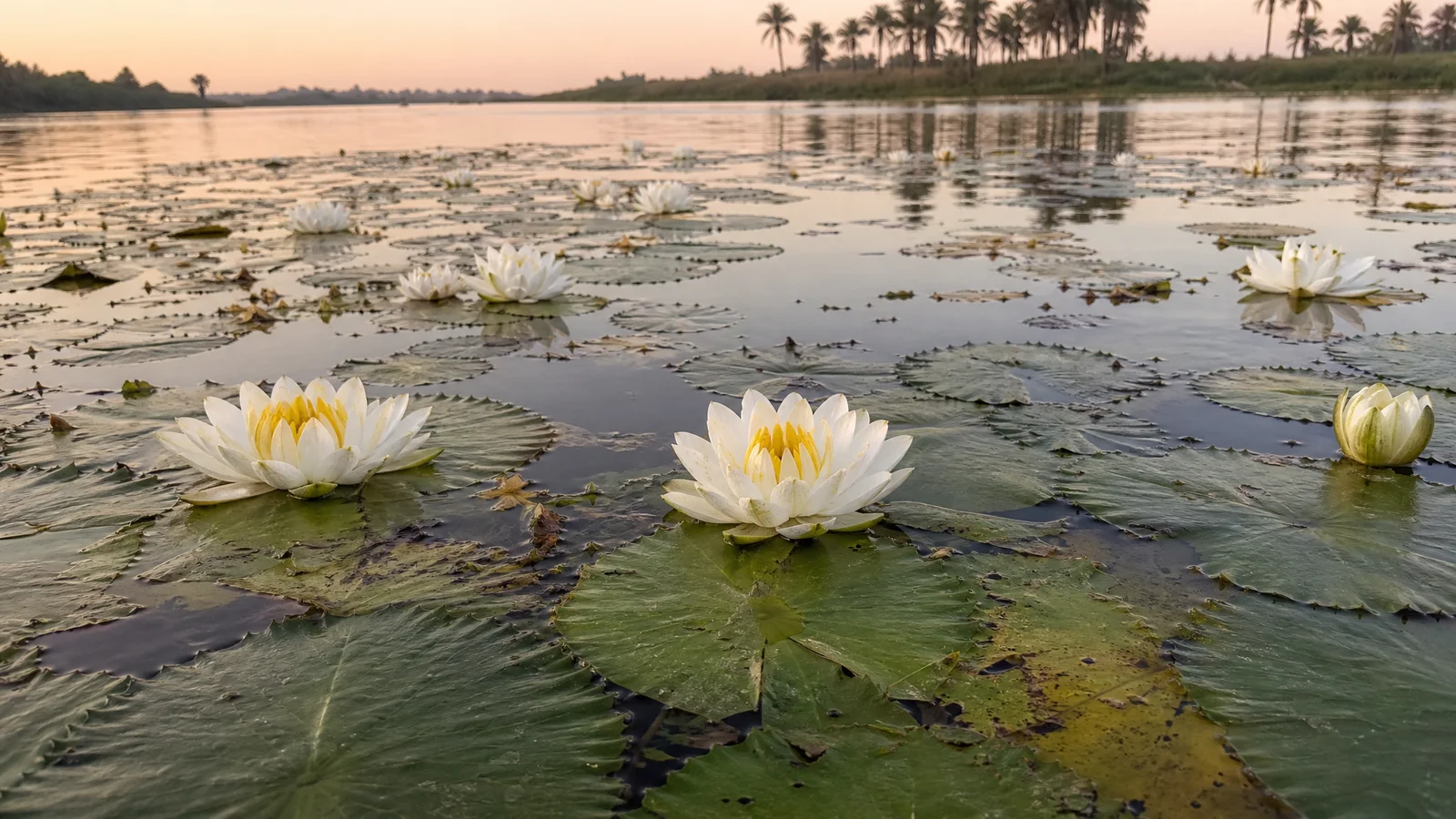
How Lotus Absolute Is Made: From Petal to Bottle
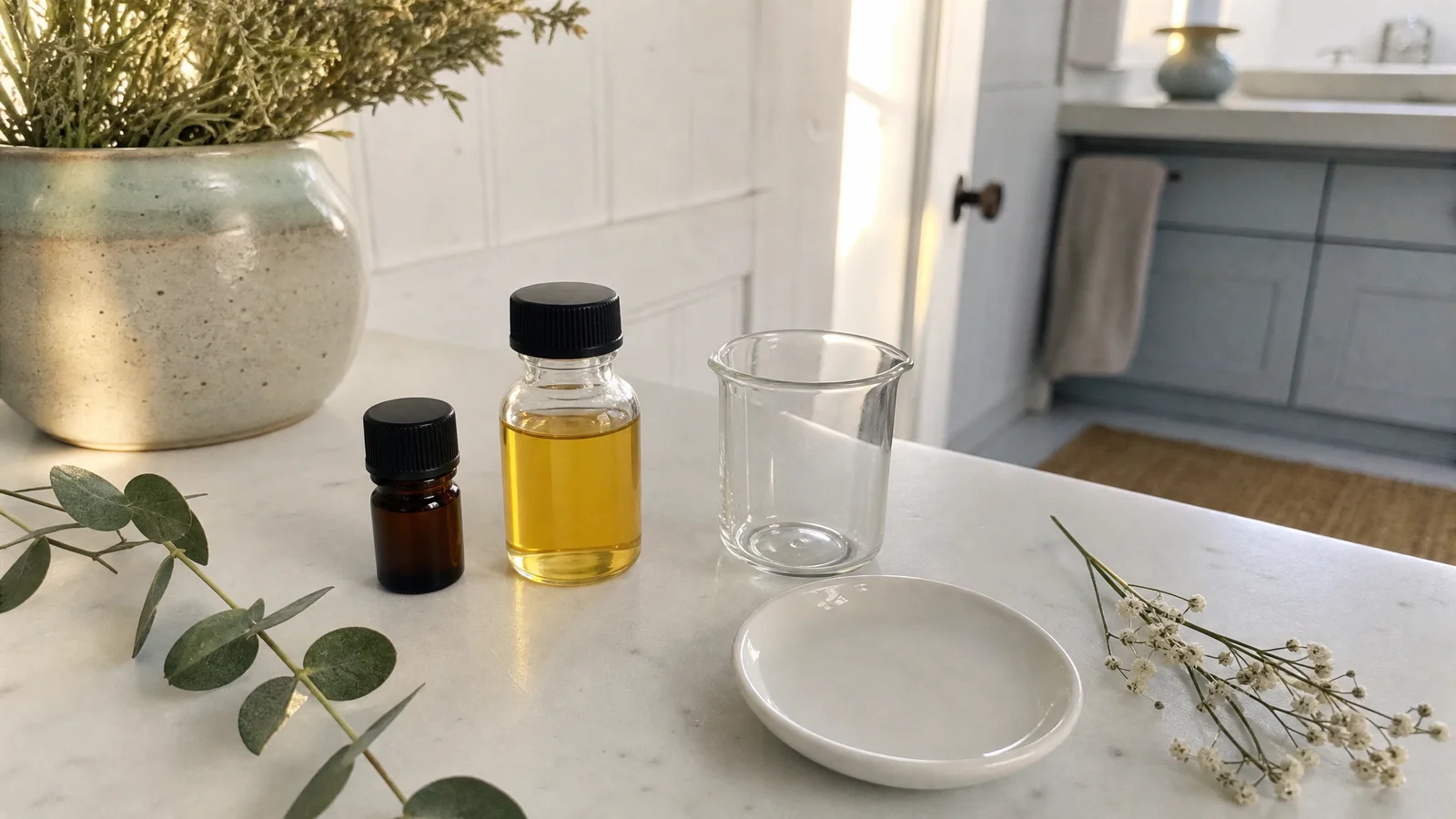
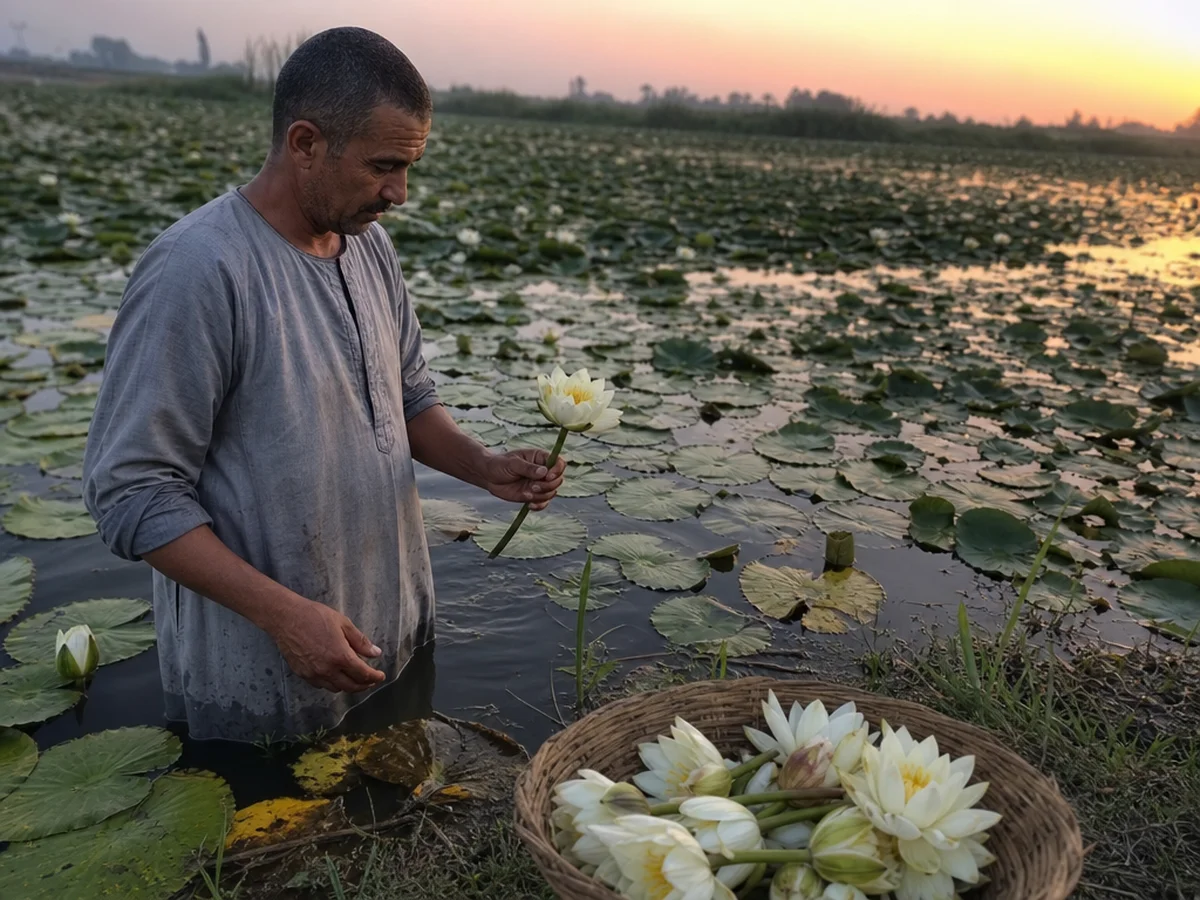
It takes about a tonne of fresh flowers to make a kilogram of lotus absolute. That one number explains most of what makes these materials special, and it comes from the most detailed published account of a lotus extraction. Here is how flowers become a bottle of absolute.
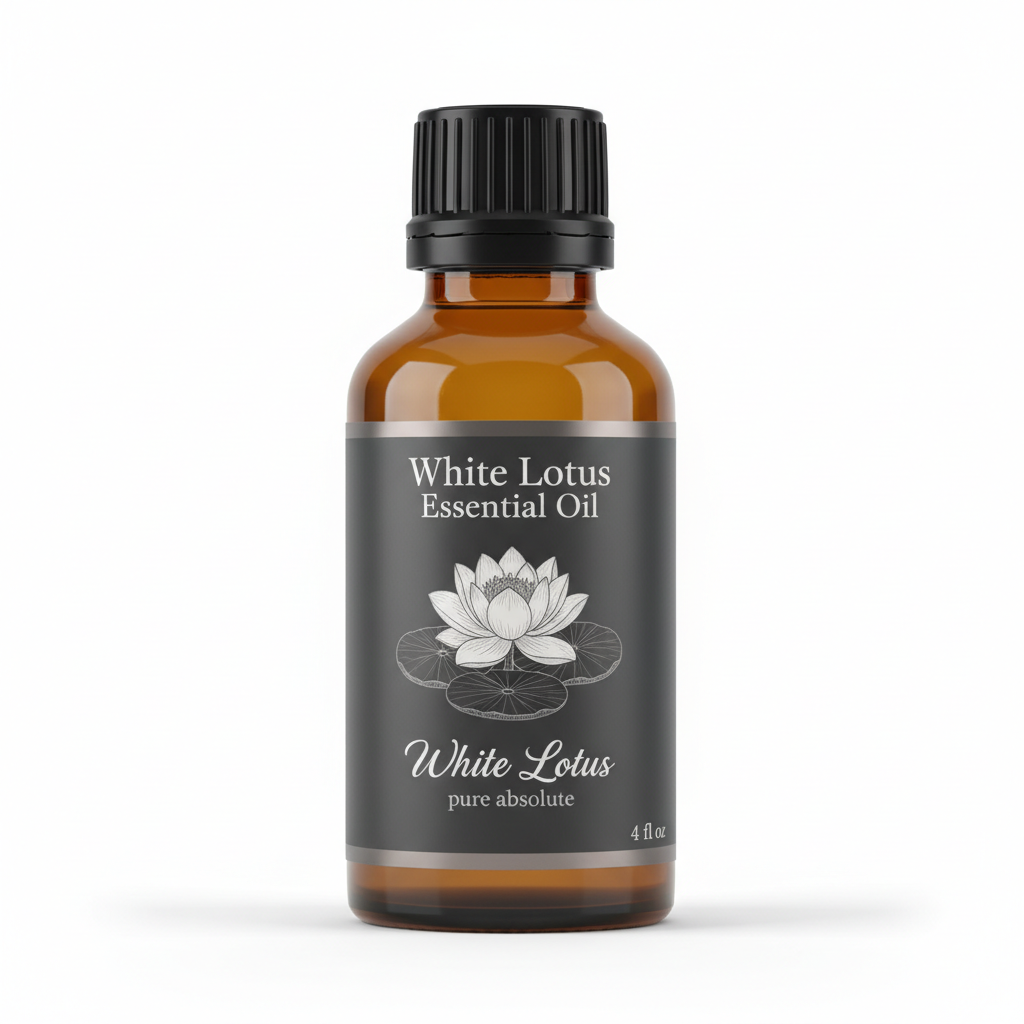
White Lotus Absolute
Our own White Lotus Absolute, in sizes from 0.5 oz to bulk.
From $23.99
Shop Now →Two products with two names
ISO 9235, the vocabulary standard for aromatic raw materials, defines a concrete as an extract obtained from fresh raw material using one or more solvents, with the solvent then removed wholly or partly. It defines an absolute as the product obtained by extracting that concrete with ethanol. Neither is an essential oil in the standard's language: an essential oil is distilled, while an absolute is a solvent-and-ethanol product. We sell our white lotus as a solvent-extracted absolute, which is why we use that word and not "essential oil". Our guide to absolutes and essential oils goes further into the naming.
Why we find this process so appealing
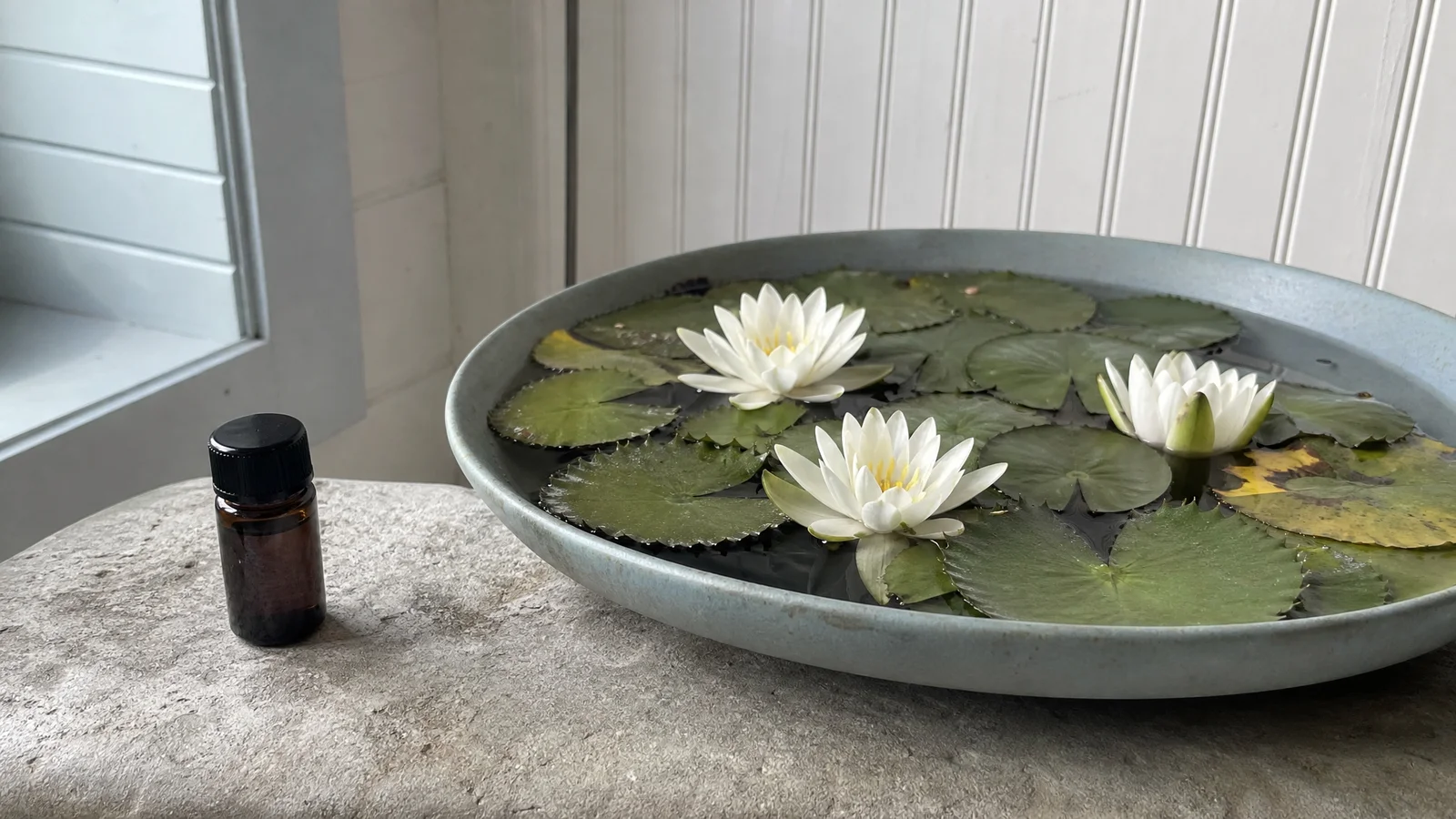
There is something quietly wonderful about the idea that a drop on a paper strip began as a heap of petals. Water lilies open in the early part of the day and close again, so the whole picture is one of timing and handwork, of flowers that cannot wait around. You do not have to know every step to appreciate that. Next time you smell an absolute, try to imagine the volume of flowers behind it and you will probably find yourself using it more slowly and more carefully.
One documented route, step by step
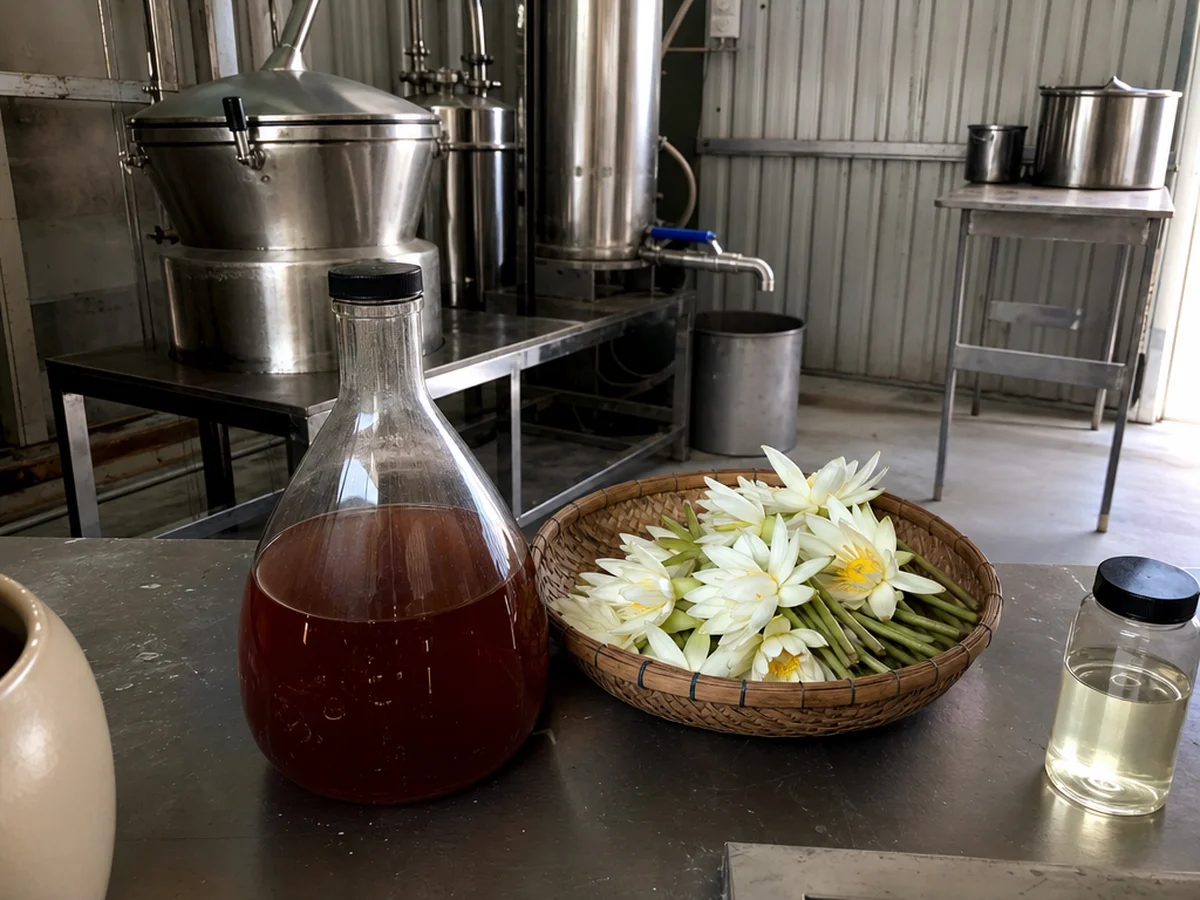
The most detailed account we found covers blue lotus (Nymphaea caerulea) grown in China, described by researchers at an essential oil company. It is a different species from the Nymphaea lotus on our label, so read it as a worked example of the method and not a description of our own supply. In that study:
- About 1,000 kg of shredded fresh flowers was extracted twice with hexane, 12 hours each time with stirring.
- The solvent was recovered, leaving a waxy concrete: 0.18% of the fresh flower weight.
- The concrete was dissolved in 95% ethanol, frozen for more than 12 hours so the waxes separated, filtered and concentrated under reduced pressure. That produced the absolute, at 0.09%.
At 0.09%, a tonne of flowers yields under a kilogram, so one kilogram of absolute starts as roughly 1,100 kg of petals. That is one study, one species and one process, so other producers will differ, but it shows why absolutes are sold by the gram and why a single drop goes a long way.
What ends up in the bottle
The analysis found a volatile fraction between 38.7% and 65.1% of the total extract, with waxes, fatty acids, alkanes and benzyl alcohol making up much of the rest; the top compounds were 6,9-heptadecadiene (about 11%) and benzyl alcohol (about 10%). In plain terms, a lotus absolute is a rich, weighty material and not a light, distilled oil. That helps explain why it reads as honeyed and rounded rather than sharp. We describe our own as aquatic, honeyed and serene, with watery green florals over a warm, faintly spicy sweetness that settles into a soft leathery hush.
It also explains why the route matters on a label. The same paper bought 11 "blue lotus" products online and found synthetic fragrance components in every one, which is why we encourage buyers to ask for details. Our note on diluted and look-alike products covers that further.
Reading the word "absolute" on a bottle
When you see "absolute" on a label, you can now decode it: a concrete came first, ethanol came second, and the material in the bottle is what is left once the waxes and the alcohol are taken away. That vocabulary is handy in practice. If a bottle says "steam-distilled lotus essential oil", you know you are looking at a different route and can ask the seller about it. If a bottle says only "lotus", you know it is worth asking which form it is.
A word on solvents
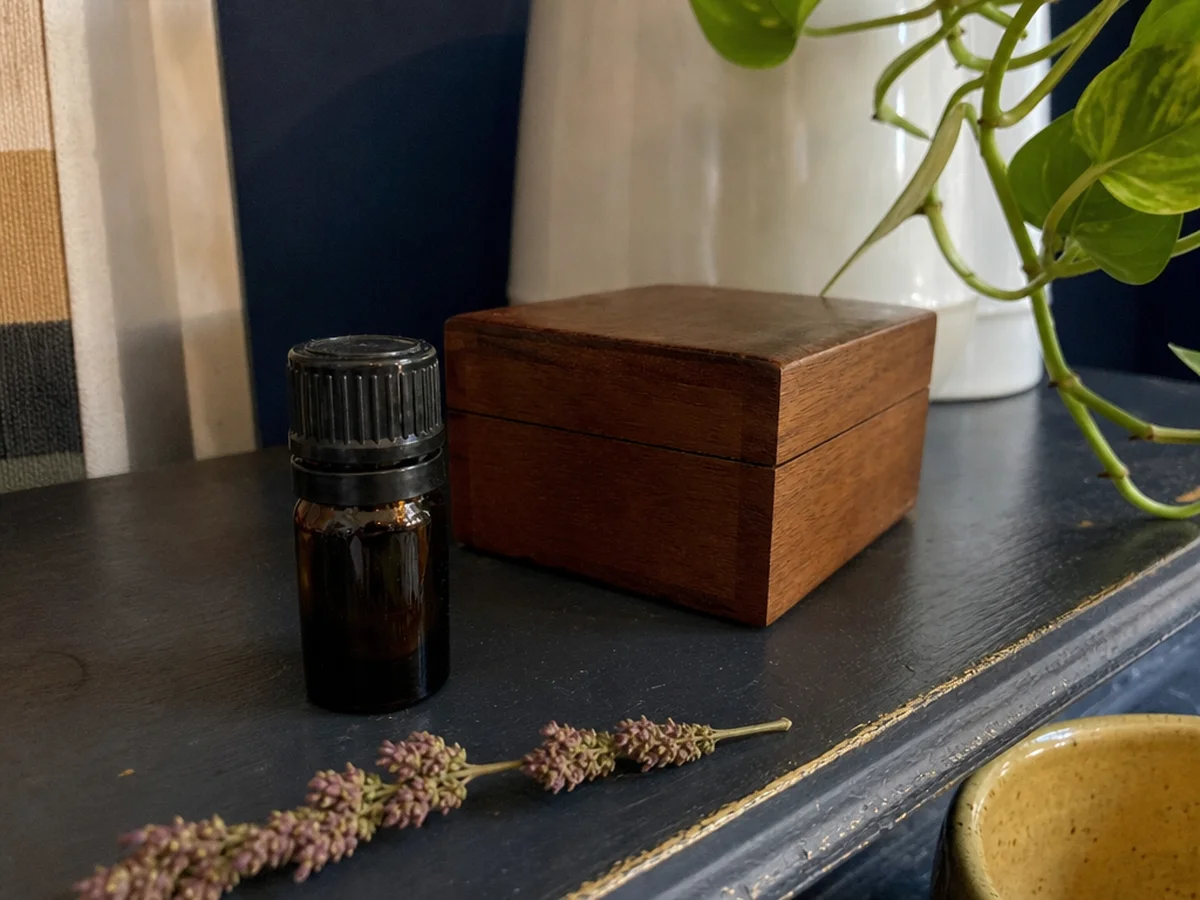
The solvent in that study was hexane, which is recovered after extraction. Residue is therefore a fair question for any absolute, and a reply should come with a number and a method. We do not give a residue figure in articles; if that detail matters for your formulation, ask us in writing through the contact page, and also ask about species, origin, allergen information and a safety data sheet. The paper itself says its samples were tested for solvent residue but reports no result. Hexane is also a subject of study as a food-processing solvent, with researchers looking at alternatives (Cravotto et al., 2022), which gives you a sense of why people ask.
How the maker's choices show up
Heat and the choice of solvent are the two levers a producer can pull, and each changes what reaches the bottle. That is why we like to see the method named. If a certificate lists an extraction route, it is worth asking about, and our guide to reading a lotus absolute certificate shows how.
How to give it the attention it deserves
Because so much goes into so little, we like to treat an absolute slowly. Use a paper strip and a patient nose. Smell it at the start, then again after ten minutes, and again after an hour. Notice how the first watery green impression gives way to something warmer and rounder, and how the base lingers on the paper long after the top has gone. It is a small ritual, and it is the best way we know to understand what you have in the bottle.
The next time you smell a lotus absolute, think of those thousand kilograms of petals, and give it the slow, patient attention it took to make.
White Lotus Absolute
White Lotus Absolute from our own shop, in sizes from 0.5 oz to bulk.
From $23.99
Shop Now →Sources & Further Reading
- ISO 9235:2021 - Aromatic Natural Raw Materials Vocabulary Standard, iTeh Standards.
- Chemical Composition, Market Survey, and Safety Assessment of Blue Lotus (Nymphaea caerulea Savigny) Extracts, Molecules, 2023.
- Towards Substitution of Hexane as Extraction Solvent of Food Products and Ingredients with No Regrets, Foods, 2022.