Can You Swallow White Lotus Absolute? Why Not
The short answer is no. White Lotus Absolute is a perfumery and cosmetic material, our shop states it is not for internal use, and we do not describe any way to swallow it, whether in water, in a capsule or on sugar. This article explains the reasoning, because the question comes up often and it deserves more than a one-line warning.
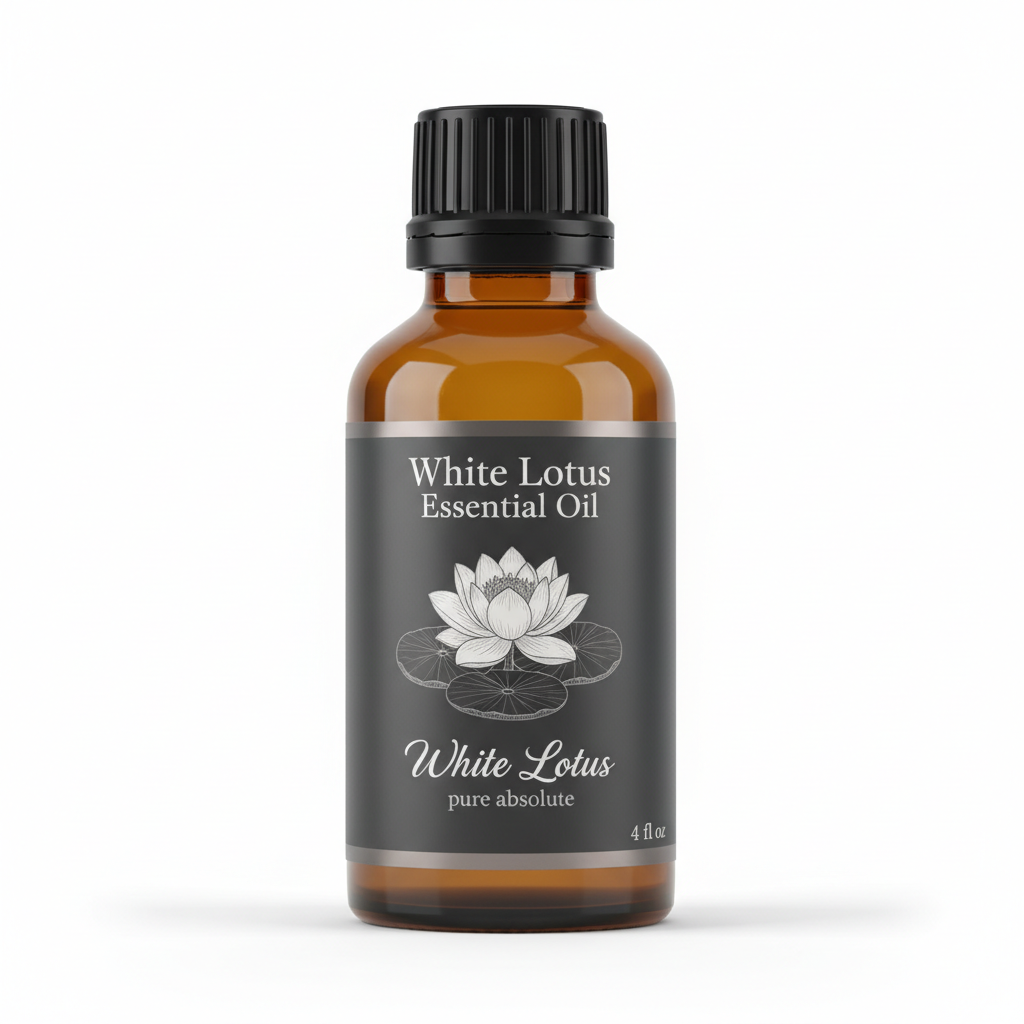
White Lotus Absolute
Our own White Lotus Absolute, in sizes from 0.5 oz to bulk.
From $23.99
Shop Now →A concentrate, and what that means in drops
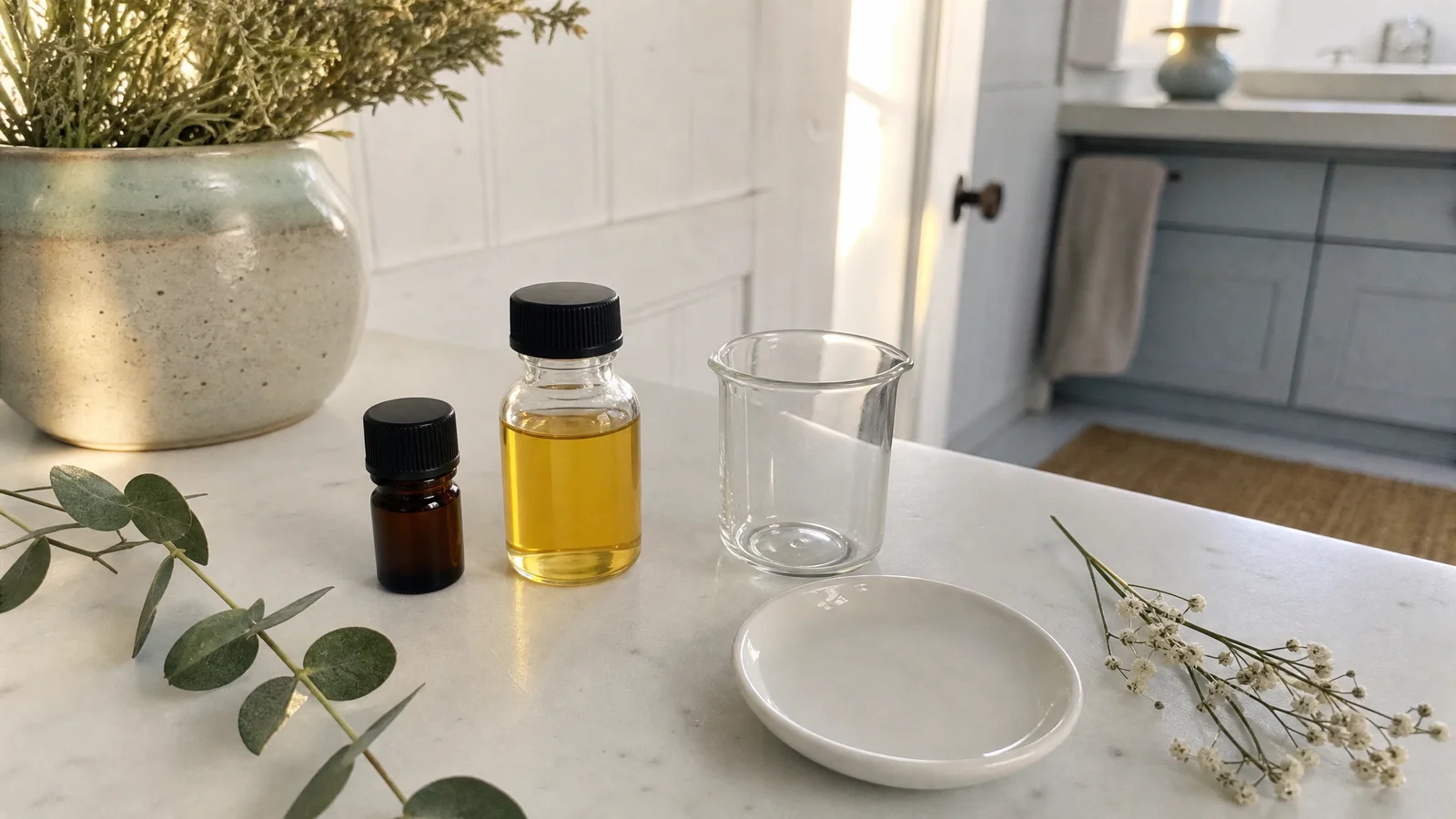
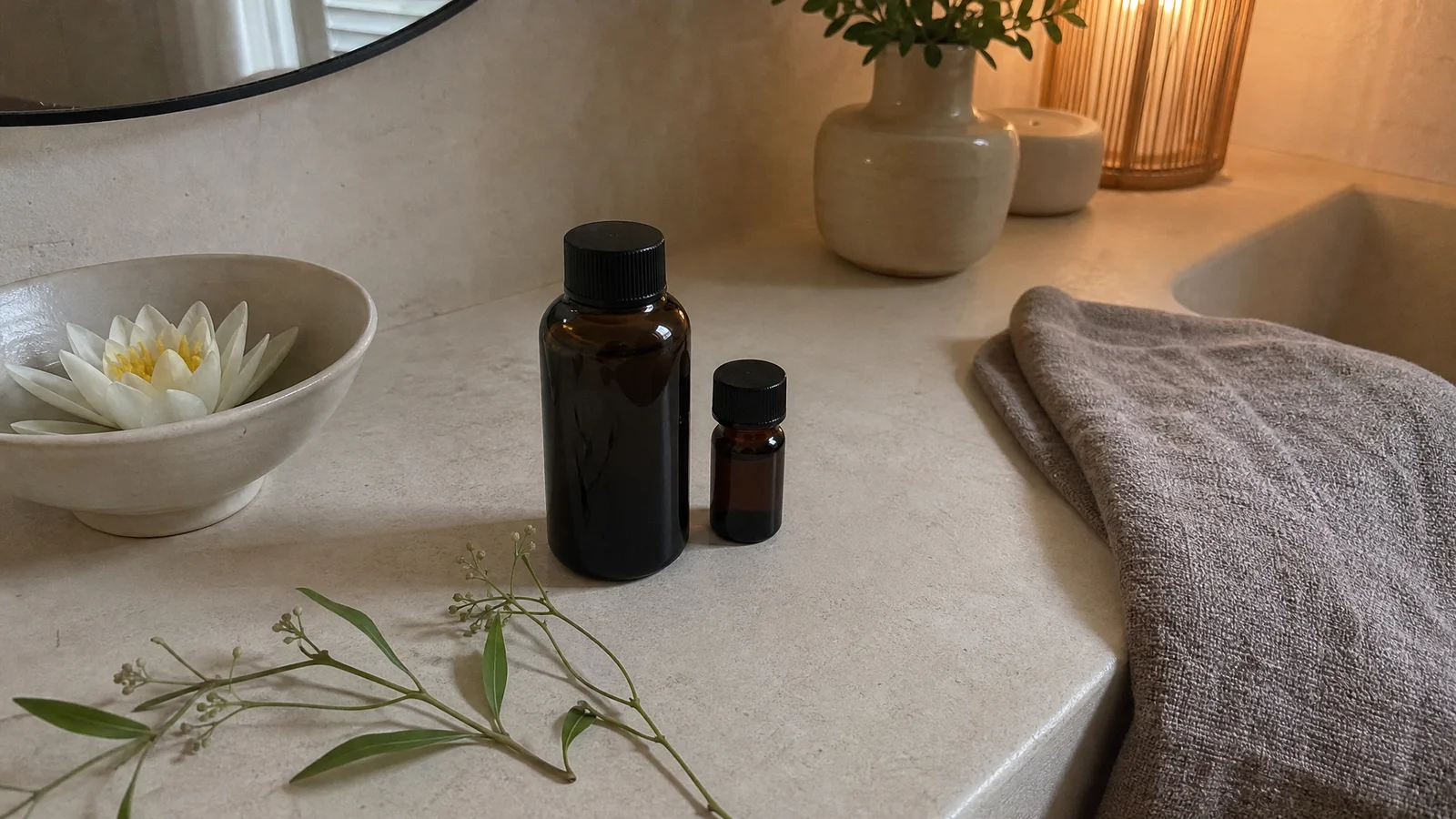
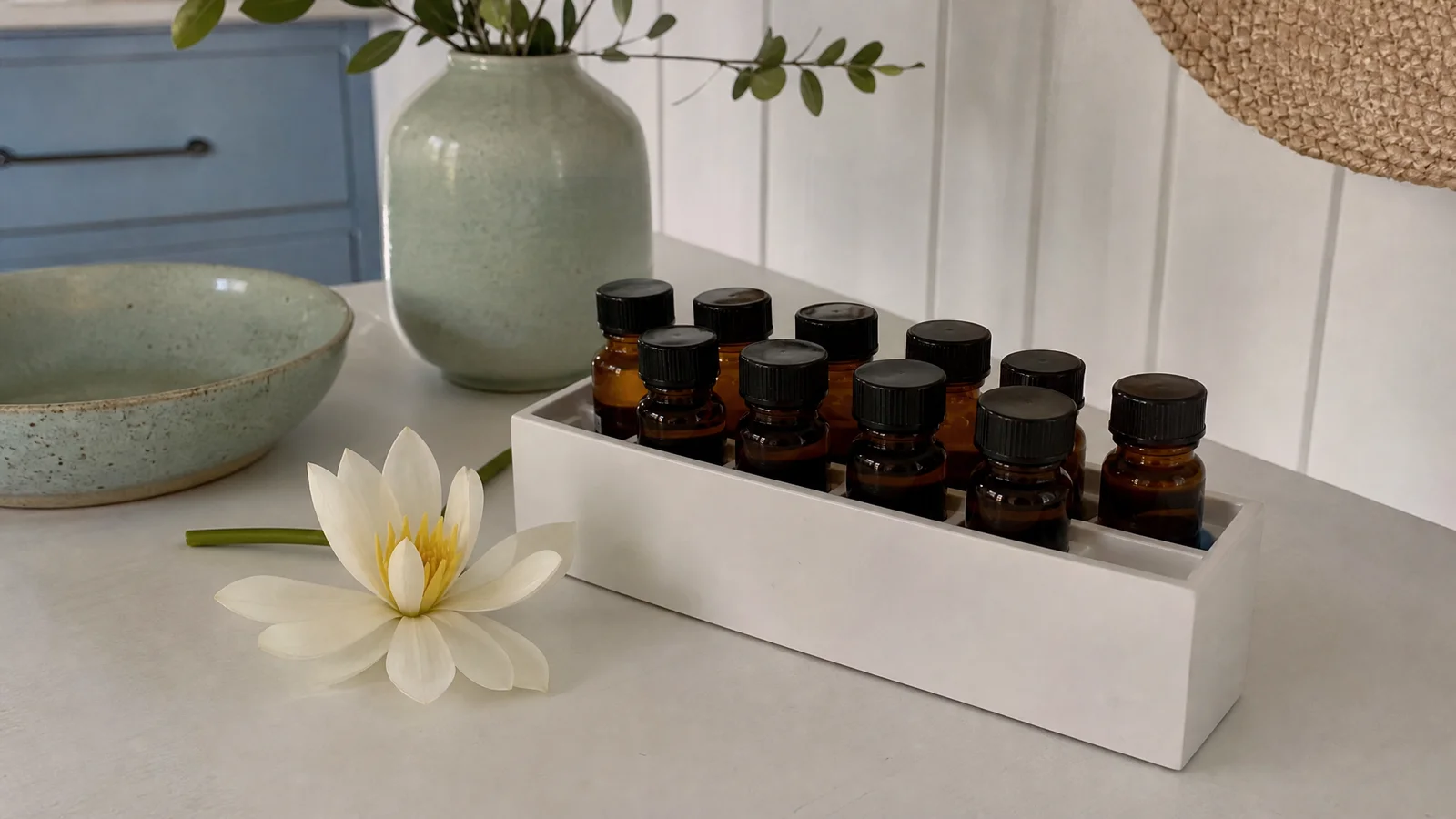
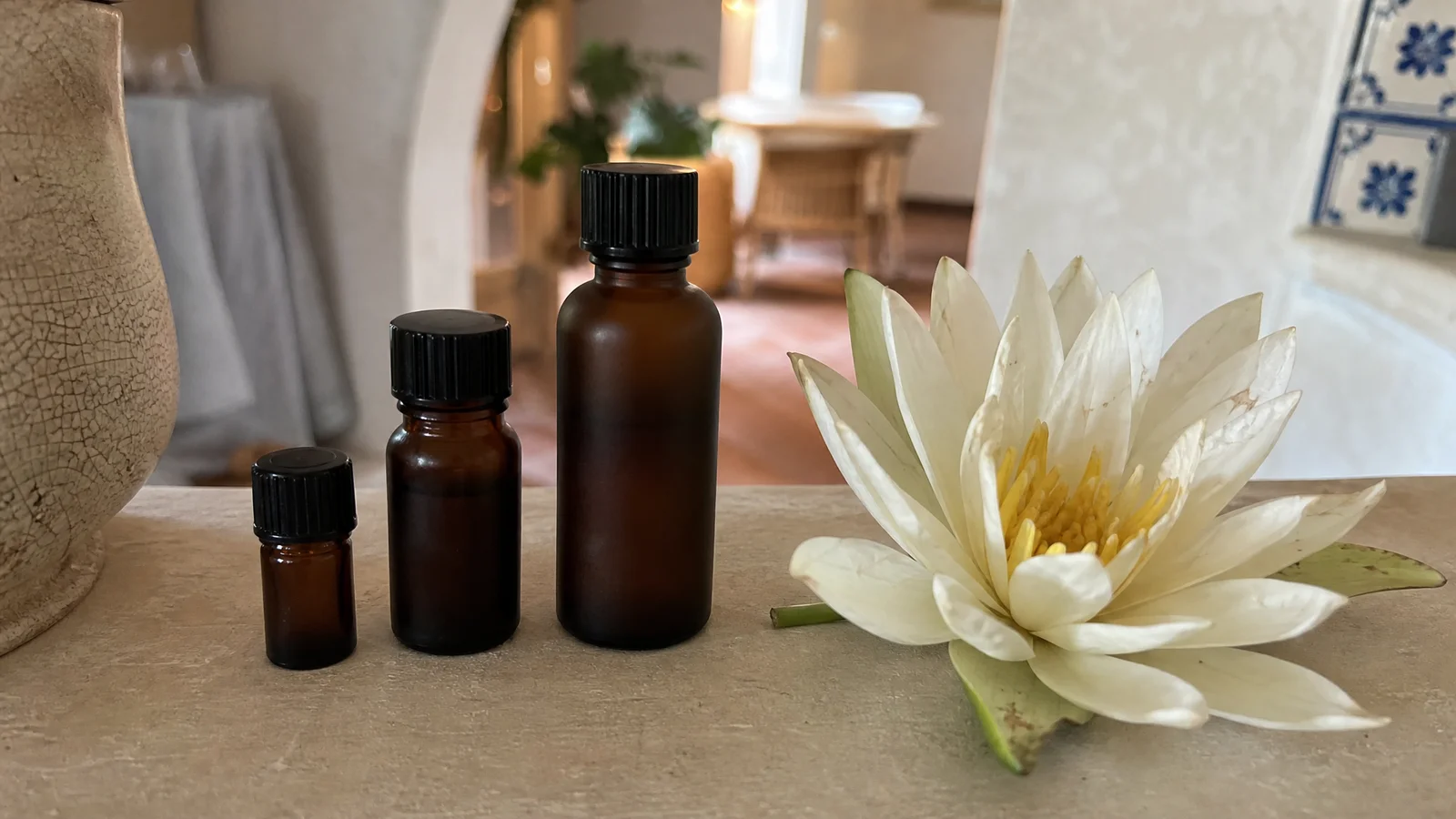
We sell the absolute undiluted, as a concentrated botanical material. Our dilution guidance for skin is 0.5% to 2% in a carrier, which our shop expresses as roughly 3 to 12 drops per fluid ounce, with a patch test first and the bottle kept from eyes, children and pets. Here is the arithmetic that sits behind those numbers. The one batch on our certificate has a relative density of 0.985, so a drop (about 0.05 ml) weighs roughly 0.05 g. The 12 drops in the top-of-range figure are spread through about 29 g of carrier. The same 12 drops taken neat would be roughly 0.6 g of concentrate in a single mouthful. That gap is the reason dilution advice exists. It is also why a bottle within a toddler's reach is a different matter from a bottle of diluted body oil: a 0.5 oz bottle holds about 295 drops of undiluted material.
Plant-derived is not the same as edible
Gentle sounding origins can mislead. The FDA notes that how aromatherapy products are regulated depends mainly on how they are intended to be used, and that the fact a fragrance material comes from a plant does not keep it from being regulated as a drug (Aromatherapy | FDA). That page does not speak to swallowing, so it is not clearance for it. For us the reading is simple. We sell a fragrance material, we make no health claim for it, and swallowing it for an effect goes beyond anything we describe.
Why an absolute is an especially poor candidate
An absolute is made in steps. The international vocabulary standard describes a concrete as an extract obtained from fresh raw material using one or several solvents, and an absolute as the product obtained by extracting that concrete with ethanol (ISO 9235:2021 - Aromatic Natural Raw Materials Vocabulary Standard). A review of hexane, one of the main solvents used for such extractions, notes that it has been shown to be neurotoxic to humans, and that European food rules set limits for it (Towards Substitution of Hexane as Extraction Solvent of Food Products and Ingredients with No Regrets). Those are food rules, and we are not aware of a limit written for perfumery absolutes. The certificate we publish for one batch lists density, refractive index and optical rotation, and gives no residual solvent figure, so we make no claim about one. If you need that information for a lot, ask us in writing through the contact page.
There is a second reason, and it matters more. An absolute is a dense mix of waxes, fatty acids and aroma compounds, and the one published analysis of a lotus absolute (blue lotus, from China) found its main constituents to be hydrocarbons, benzyl alcohol, tetradecanol and sterols (Chemical Composition, Market Survey, and Safety Assessment of Blue Lotus (Nymphaea caerulea Savigny) Extracts). The authors also found no published safety data on the plant or its extracts as a whole, and noted that unidentified non-volatile components could carry unknown risks. Nobody has studied swallowing a perfumery absolute, so there is no dose anyone can point to.
What poison centres say about essential oils in general
None of this concerns lotus specifically, but it is the best guidance on concentrated aromatic oils. Poison Control describes some oils as poisonous if absorbed through the skin or swallowed, notes that children have thin skin and immature livers that may make them more susceptible than adults, and advises that diluting in a carrier is the best way to avoid a bad reaction from direct skin contact (Essential oils: Poisonous when misused). Its advice for homes with young children is to lock bottles up, out of sight and reach of children and pets. We would add the obvious practical step: decant a small working amount for use and keep the main bottle capped and stored high.
Blue lotus tea and tinctures are a different story
You may find articles about lotus tea or tinctures. Those usually concern blue lotus (Nymphaea caerulea), a different plant, and a military medicine case series reports toxicity in people who swallowed or inhaled blue lotus products (Toxicity From Blue Lotus (Nymphaea caerulea) After Ingestion or Inhalation: A Case Series). Our absolute is neither a tea nor a tincture, and Nymphaea lotus is the species named on our label. Our waterlily comparison sorts out the three plants sold as lotus.
If someone has swallowed some
Call Poison Help at 1-800-222-1222 in the US, or your local emergency number, and have the bottle to hand so you can read them the label, then follow their instructions. If a child or pet has been exposed, make that call first and read nothing else. Our children and storage article and pet article set out the household side.
If you are ever unsure about a bottle in your home, read the label, check where it is stored and ask a pharmacist or your local poison service. That is a better habit than guessing.
A scent should live on a blotter, in a perfume or in a diluted oil on skin. That is where white lotus absolute is lovely, and where we are happy to see it used.
White Lotus Absolute
White Lotus Absolute from our own shop, in sizes from 0.5 oz to bulk.
From $23.99
Shop Now →Sources & Further Reading
- Aromatherapy | FDA
- ISO 9235:2021 - Aromatic Natural Raw Materials Vocabulary Standard
- Towards Substitution of Hexane as Extraction Solvent of Food Products and Ingredients with No Regrets
- Chemical Composition, Market Survey, and Safety Assessment of Blue Lotus (Nymphaea caerulea Savigny) Extracts
- Essential oils: Poisonous when misused
- Toxicity From Blue Lotus (Nymphaea caerulea) After Ingestion or Inhalation: A Case Series