White Lotus Absolute Around Cats and Dogs: What to Know
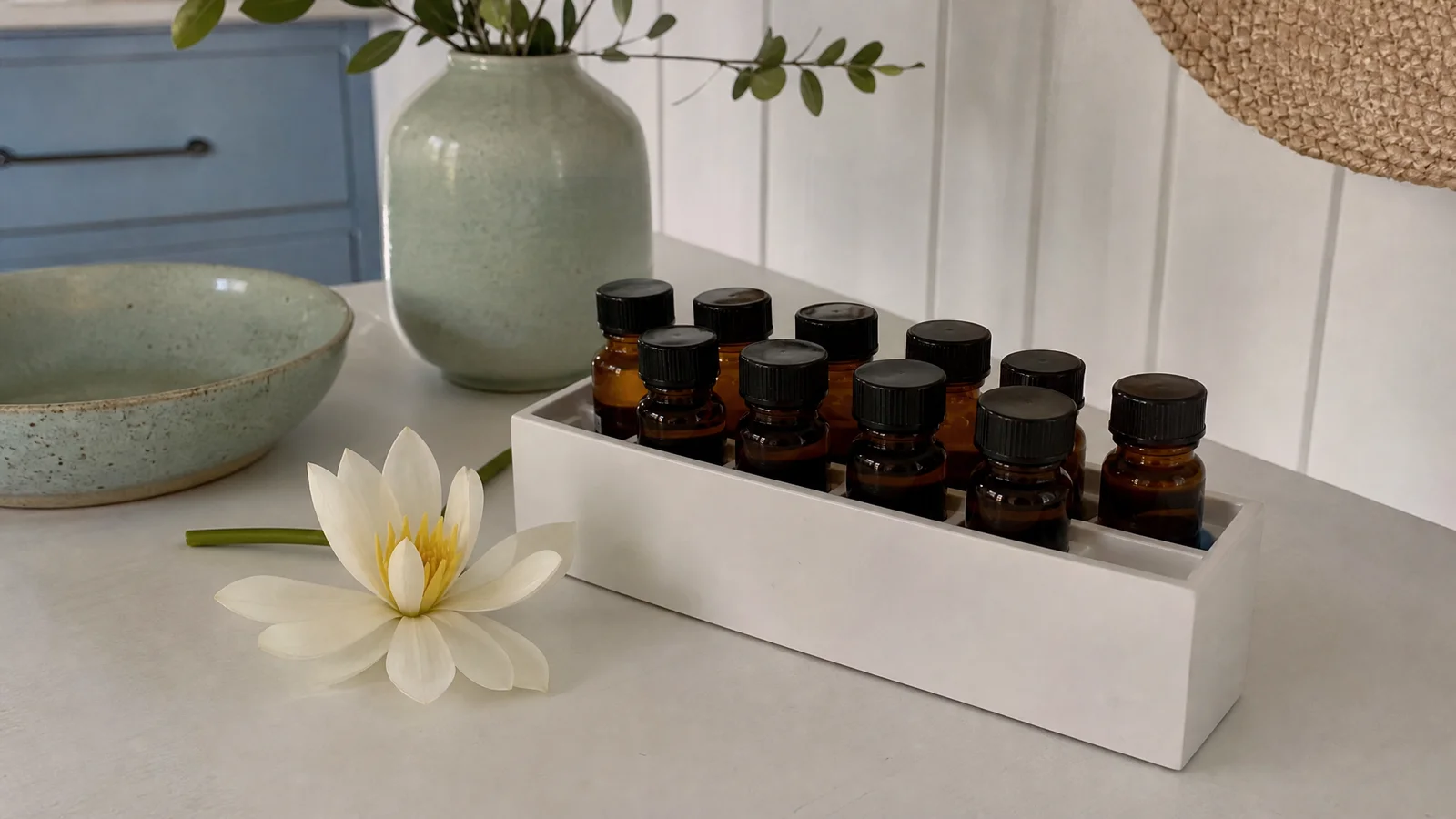
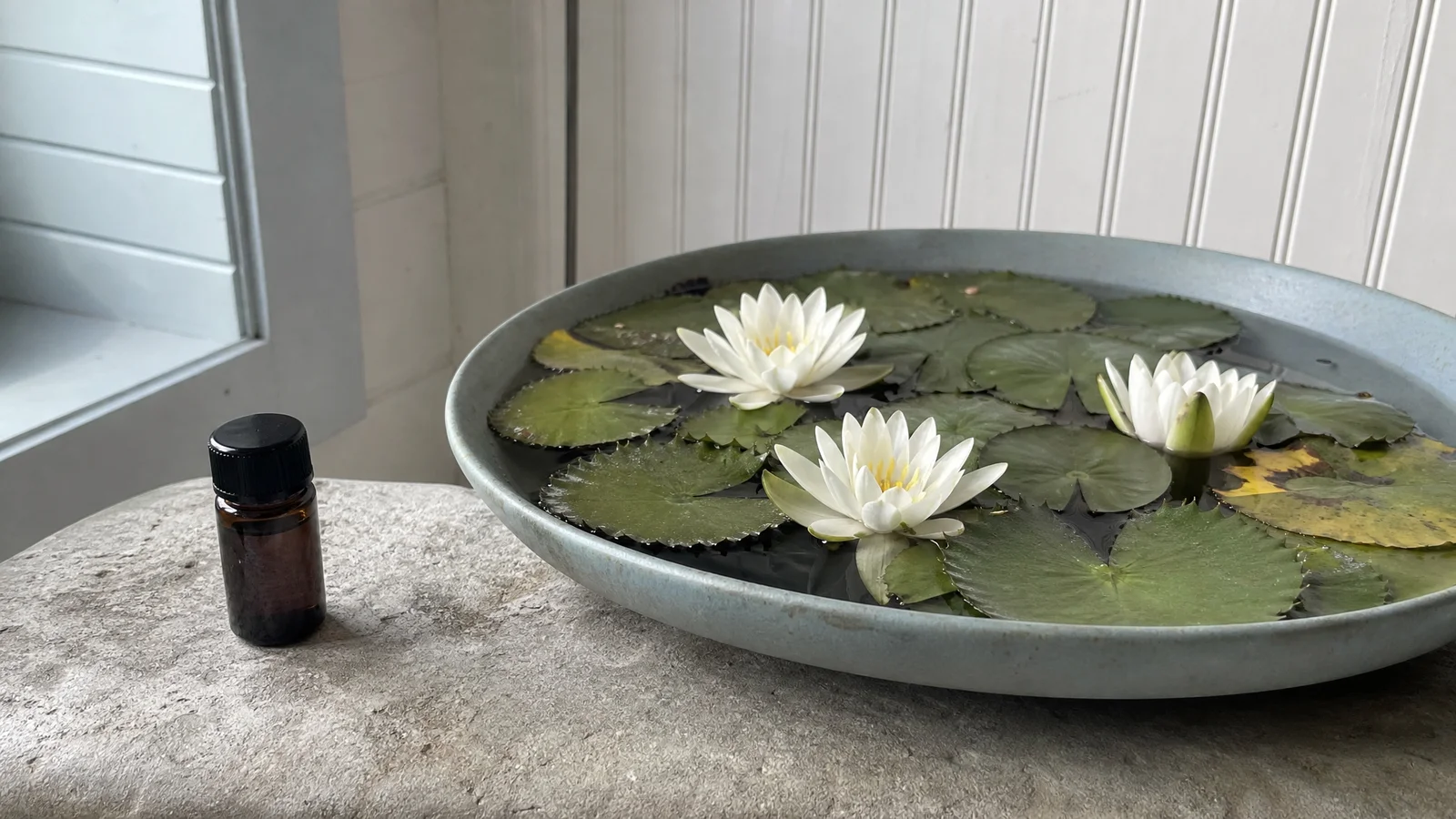
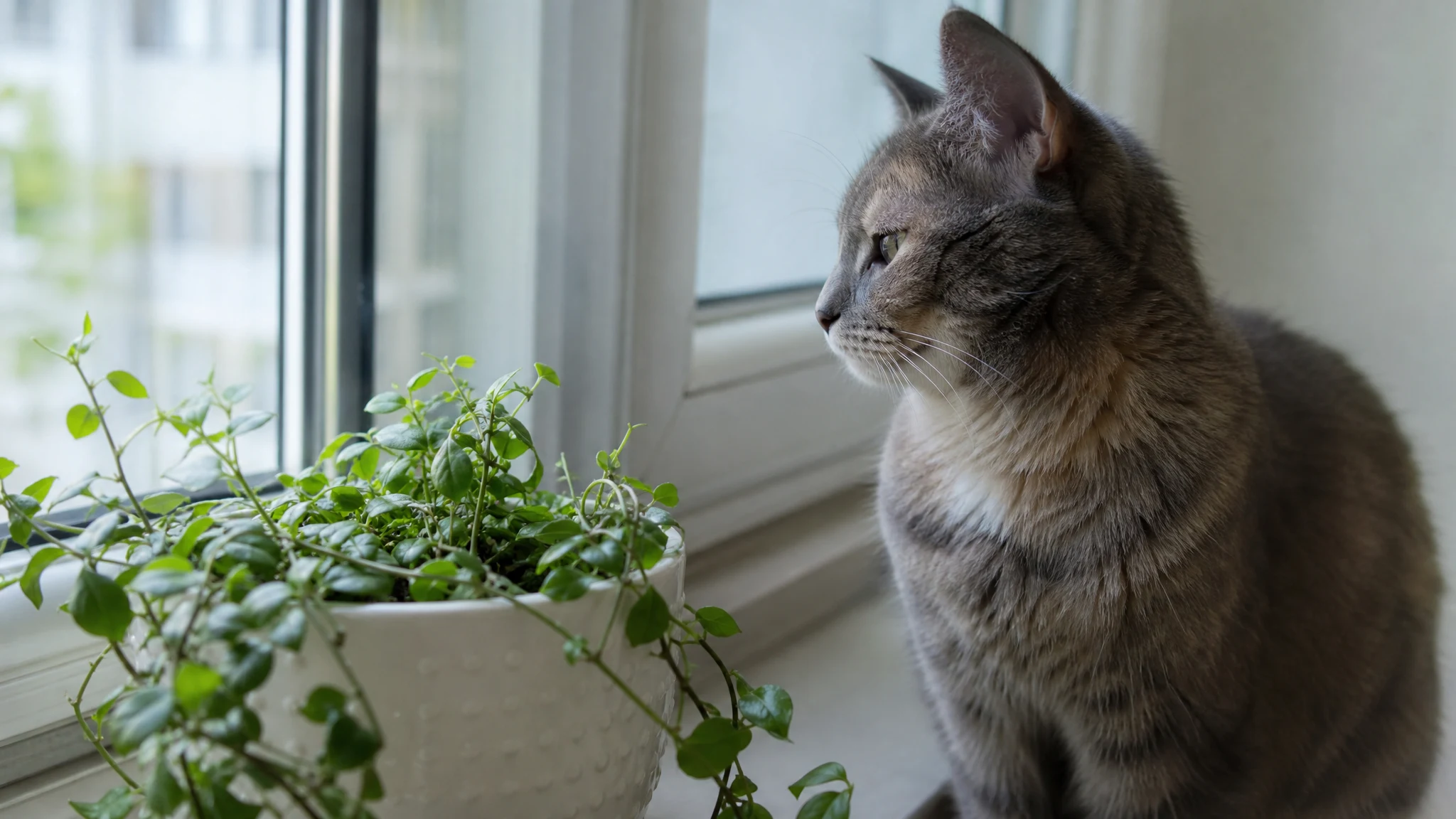
If you share your home with a dog or a cat, a bottle of absolute raises a fair question. The honest answer is that we found no veterinary source that mentions white lotus, a water lily or a floral absolute, so nobody can tell you it is fine, or that it is not, for a particular animal. What the veterinary sources do say about essential oils in general points to a simple routine: keep the bottle closed and out of reach, and ask your veterinarian before scenting anywhere your pet lives.
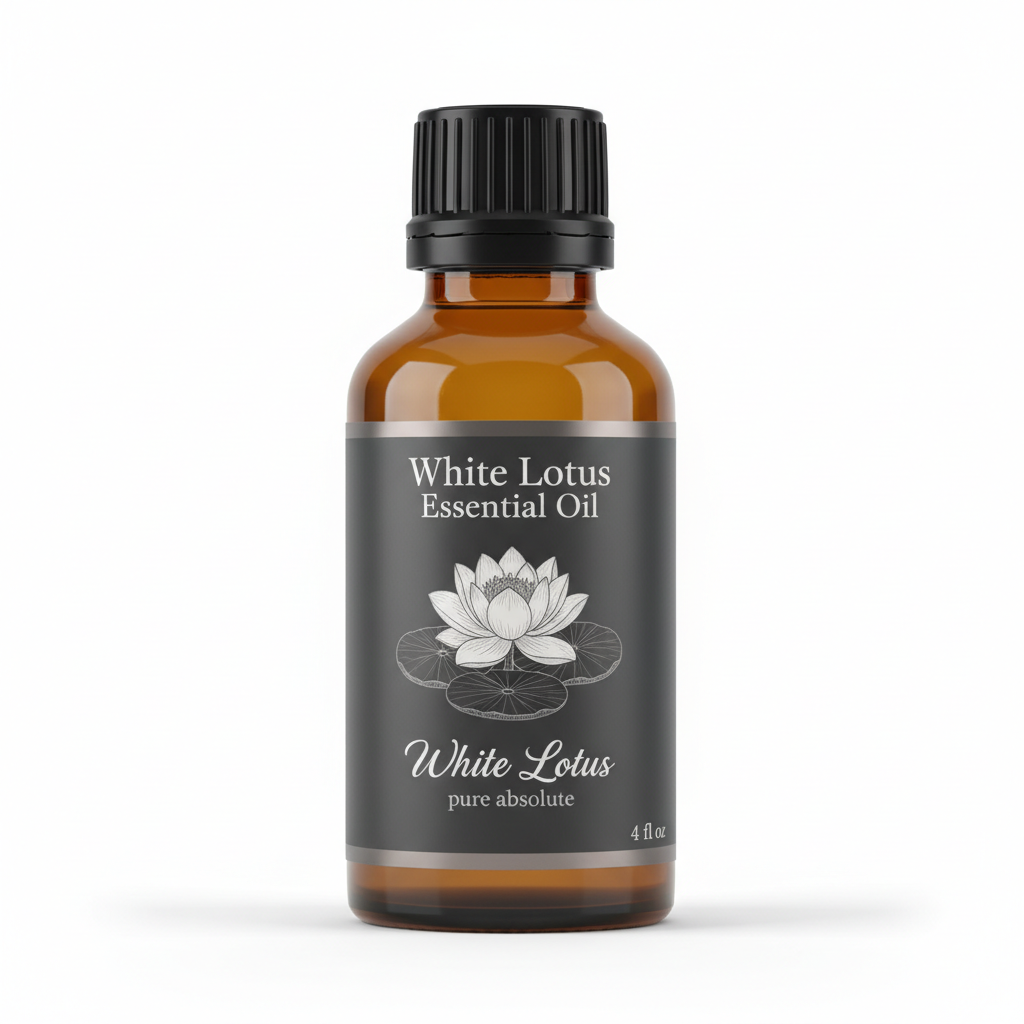
White Lotus Absolute
Our own White Lotus Absolute, in sizes from 0.5 oz to bulk.
From $23.99
Shop Now →What the pet-health organisations say
The ASPCA's page on household hazards states that cats are especially sensitive to essential oils and that effects such as gastrointestinal upset, central nervous system depression and liver damage can occur if significant amounts are swallowed. It adds that it would not recommend using essential oils in areas where pets have access, unless pets are supervised or a veterinarian approves.
Pet Poison Helpline's essential oils page says that toxicosis can affect all species but that cats and birds are at the greatest risk. It lists drooling, vomiting, lethargy, loss of appetite and irritation of the airway, skin and mucous membranes as common signs, and says signs usually develop within 6 to 8 hours with most oils.
Both organisations talk about essential oils as a class. An absolute is made differently, and the one lab analysis of a lotus absolute we know of (on blue lotus, a different species) found mostly waxes, fatty acids, alkanes and sterols along with benzyl alcohol, rather than the terpenes typical of distilled oils. That is a reason not to assume the warnings map one to one, and it is not a reason to relax. No pet-safety study exists for that composition, and we do not have a constituent breakdown for our own absolute.
Why cats get extra attention
There is a documented biological reason behind the cat emphasis. A 2011 study found that the gene for UGT1A6, an enzyme that helps the body clear phenol-type compounds, is a nonfunctional pseudogene in every cat species examined, with the change dating to between 11 and 35 million years ago. The practical reading is ours and not the paper's: cats may clear some compounds more slowly than other animals. Whether any compound in a lotus absolute follows that route is simply not known, which is one more reason for caution.
What about the "lily" in water lily?
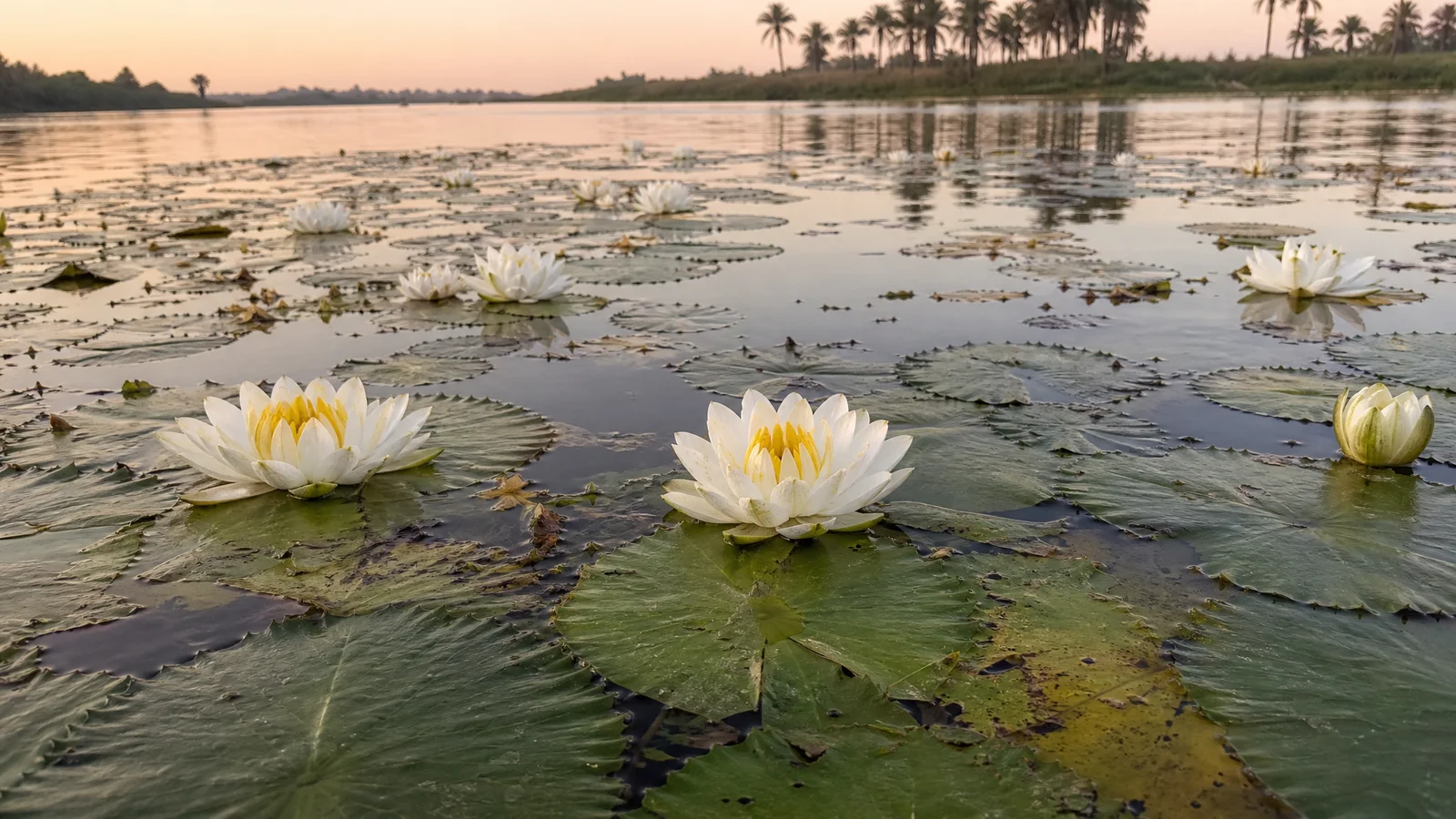
True lilies and daylilies are widely described as dangerous for cats, so the word catches people's attention. White lotus in the trade is a water lily, which belongs to a different plant family from true lilies. We have no source that gives a pet-safety status for water lilies or for an extract of one, so we would not carry the true-lily warning over to this product, and we would not assume the opposite either.
A drop, put in perspective
As arithmetic, using the relative density of 0.985 from the single batch on our Certificate of Analysis and about 20 drops to a millilitre, one drop of neat absolute weighs about 49 mg. A viscous absolute drops unevenly, so this is rough. For a 4 kg cat that would be around 12 mg per kilogram of body weight from one drop of the neat material. There is no known toxic dose for this absolute, so the figure has nothing to be compared against. Its only job is to show that a drop of concentrated material is not a trace to a small animal.
What we would do at home
- Keep the bottle capped and high. A spill on a floor or a chewed cap is a likelier meeting point than a diffuser. Our storage guide covers the bottle itself.
- Skip the diffuser in shared rooms. A thick absolute is an awkward fit for most diffusers anyway, as our diffuser post explains, and the ASPCA advice above is to avoid essential oils where pets can reach them unless a veterinarian approves.
- Keep it off animals. We offer no pet product and no pet dilution, and Pet Poison Helpline lists skin irritation among the signs of oil exposure.
- Wash your hands after applying a diluted blend, and let it dry before a pet sits on you. That is our precaution, not a quoted rule.
- Ask your veterinarian before using it around an older or very small animal, an animal with liver disease, or a bird. A veterinarian can judge a specific animal in a way no article can.
A routine that helps
The simplest habit we can suggest is to do your scent projects with the door closed, then put every bottle, dropper and cloth away before the pet comes back in. Wipe the surface where you worked. It takes a minute and keeps a curious nose away from a tempting spill.
If a pet gets into it
Call your veterinarian or a pet poison hotline promptly rather than waiting for signs, and have the bottle with you, with the name on the label and a guess at the amount. Both organisations above publish current phone numbers on their own pages, which is the best place to check before you need one.
We sell white lotus absolute as an external cosmetic and aroma ingredient, nothing more, and our guidance is to keep it away from children and pets. Our safety basics and children and storage posts cover the rest of the household. A tightly closed bottle on a high shelf is the habit that does the most for everyone in the house.
White Lotus Absolute
White Lotus Absolute from our own shop, in sizes from 0.5 oz to bulk.
From $23.99
Shop Now →Sources & Further Reading
- ASPCA, Pet Poisons: Be Mindful of these Household Products and Cleaning Agents
- Pet Poison Helpline, Essential Oils
- Shrestha B et al., 2011, Evolution of a major drug metabolizing enzyme defect in the domestic cat and other felidae: phylogenetic timing and the role of hypercarnivory, PLoS One
- Dosoky NS et al., 2023, Chemical Composition, Market Survey, and Safety Assessment of Blue Lotus (Nymphaea caerulea Savigny) Extracts, Molecules