What to Use White Lotus Absolute For (and What to Skip)
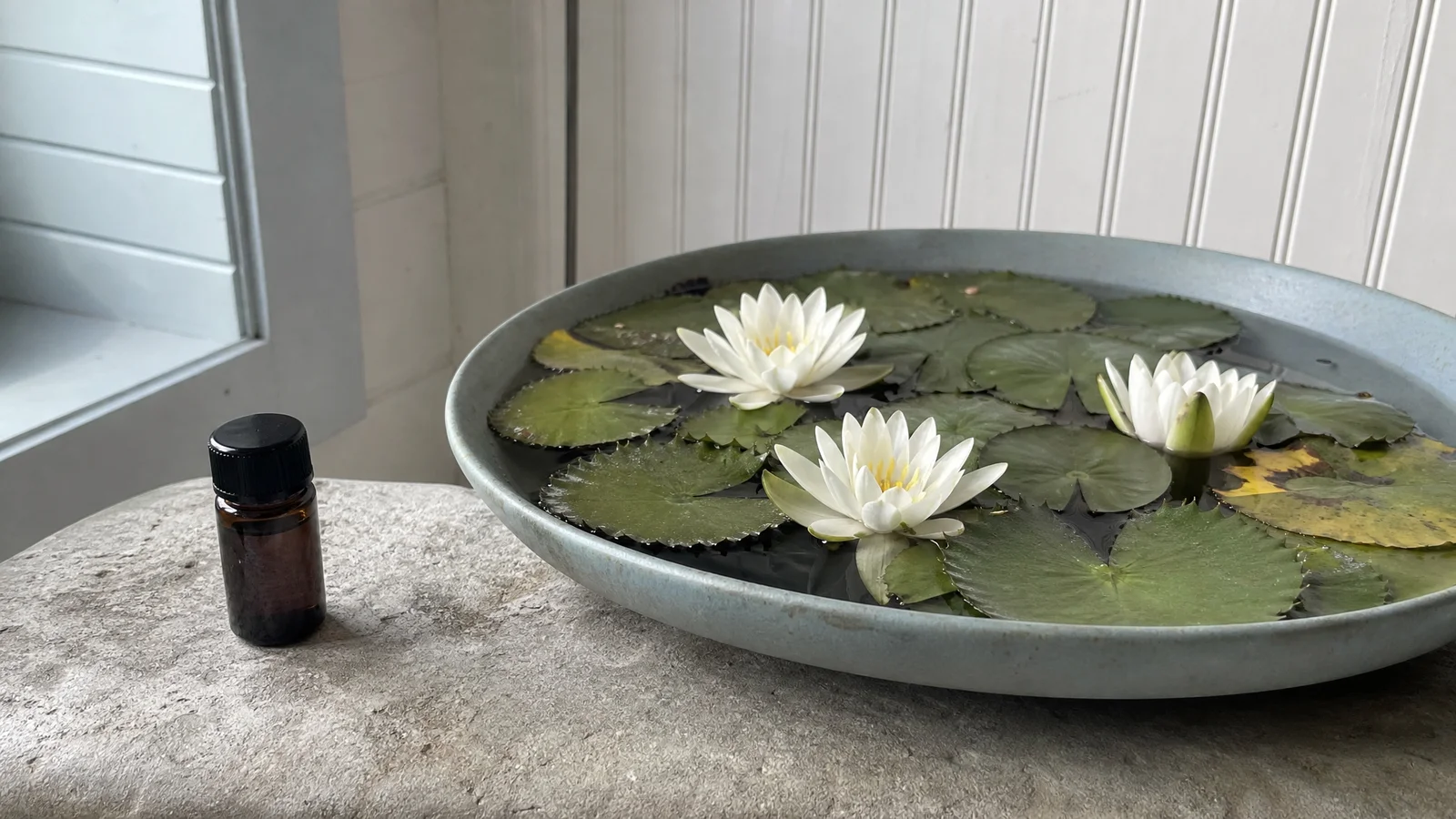
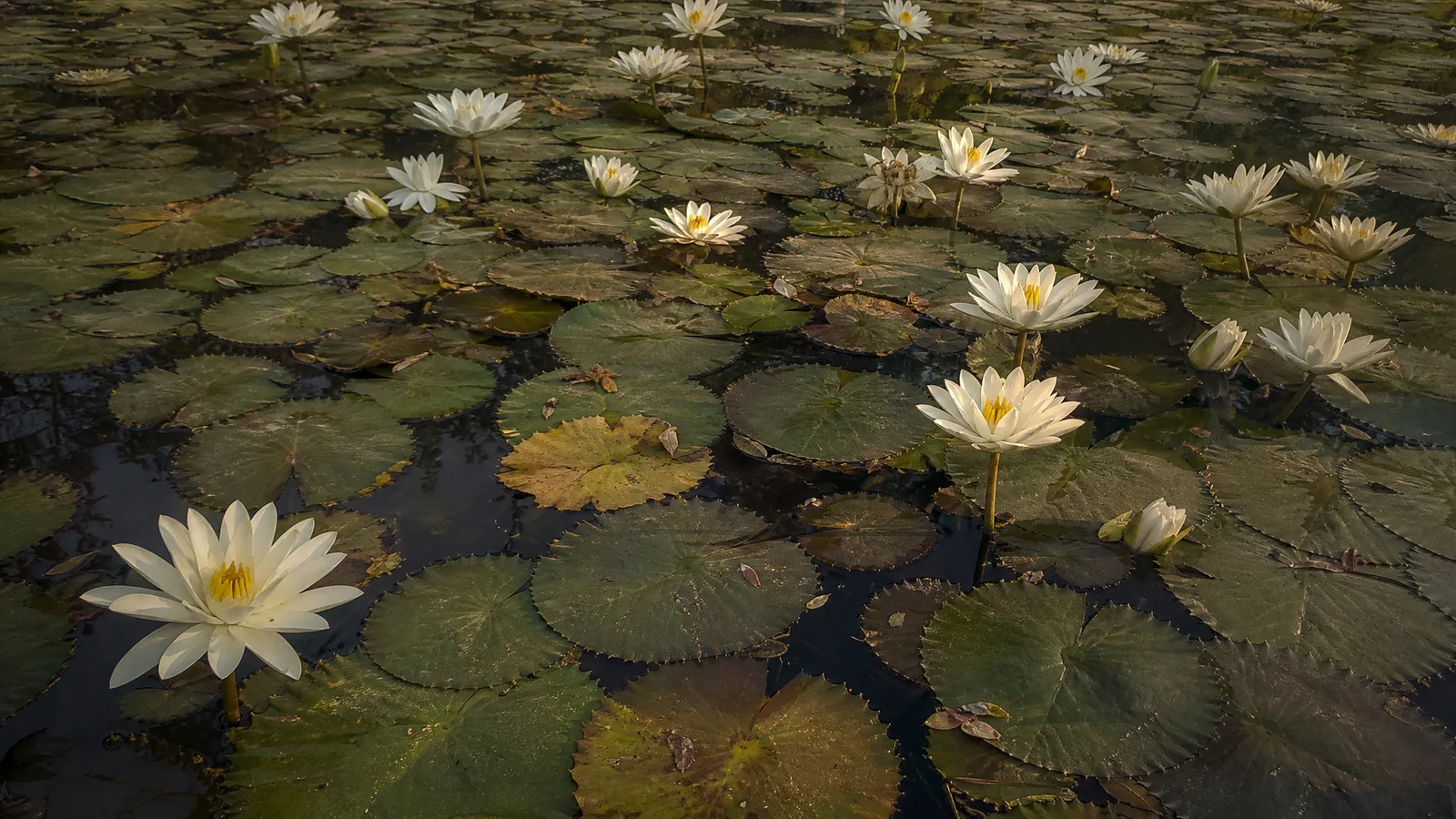
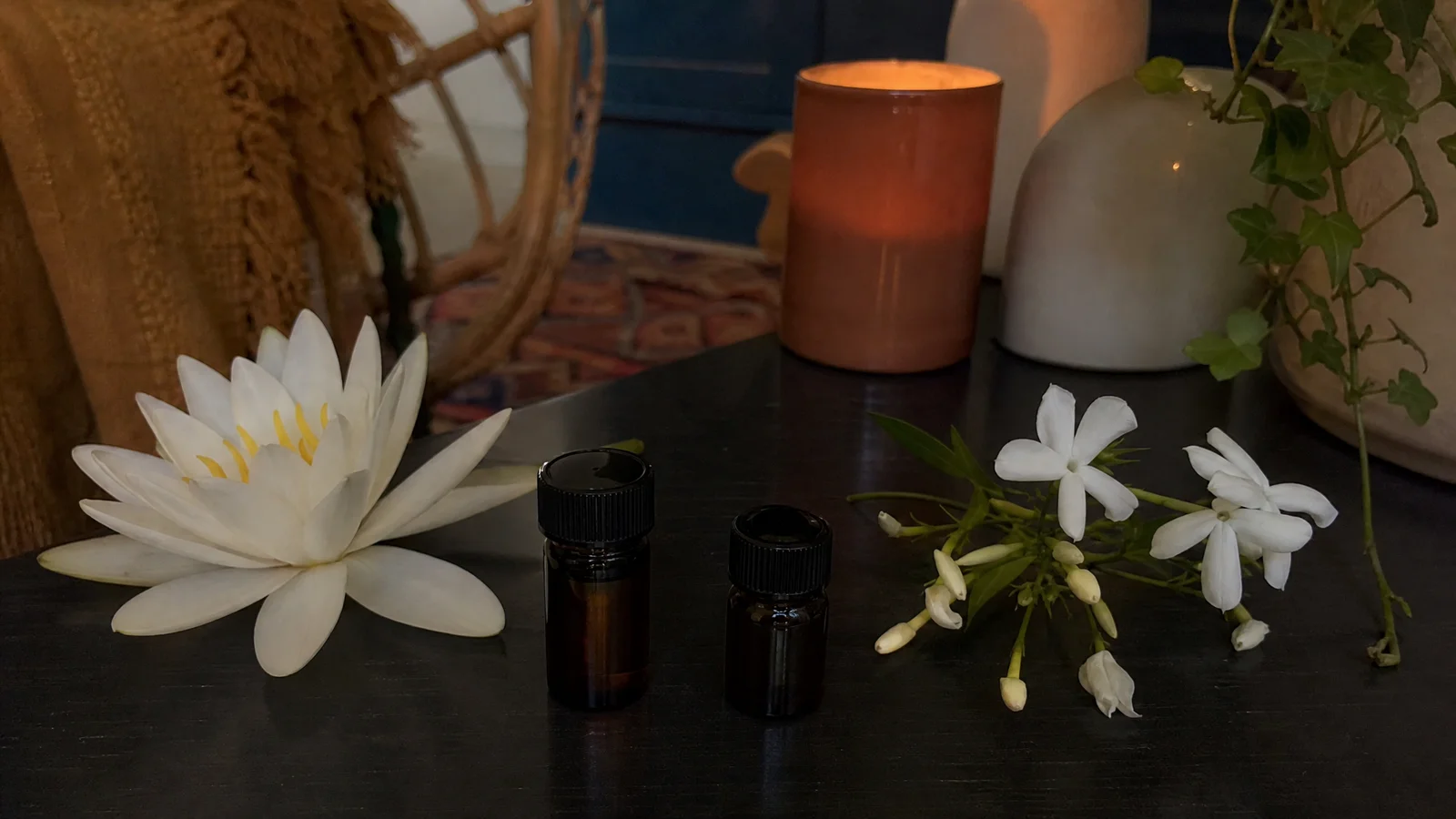
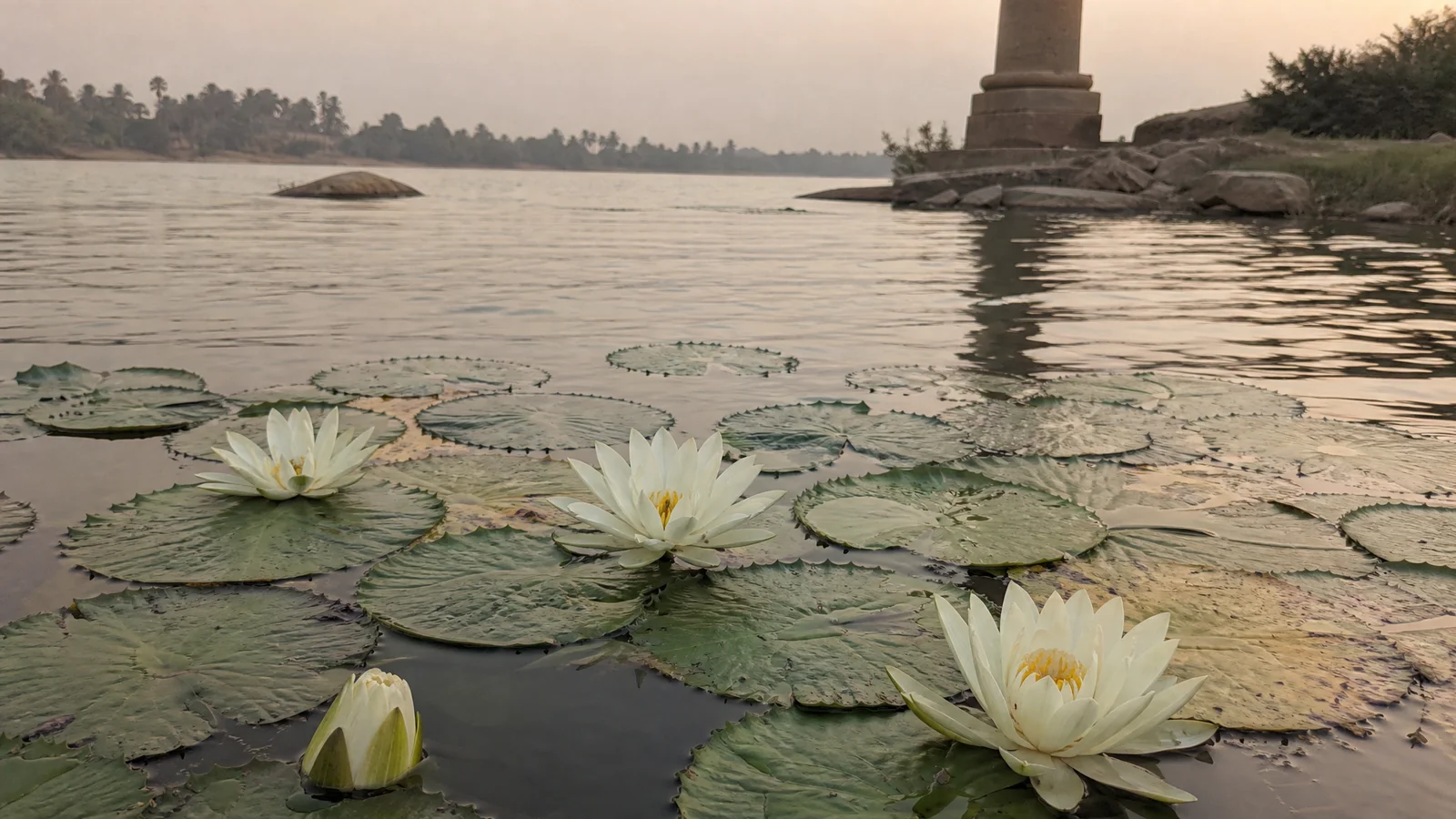
Picture a scent that opens as watery green petals, warms into honeyed sweetness with a faint spice, and settles into something soft and leathery. That is how we describe White Lotus Absolute, and it tells you most of what you need to know about where it belongs: in places where aroma is the point. Here is how we would rank the uses, from the natural fit to the ones we would leave out.
White Lotus Absolute
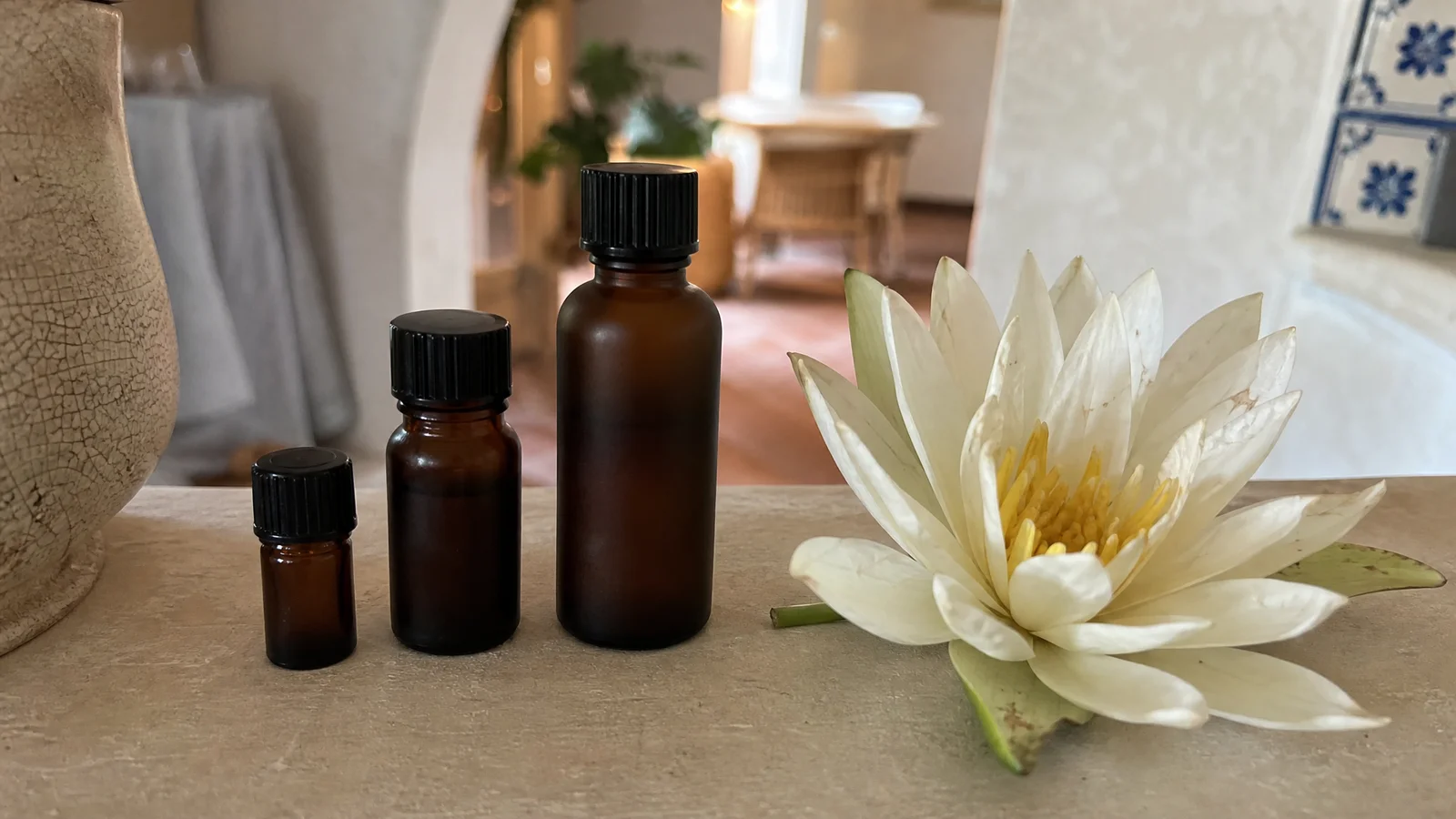
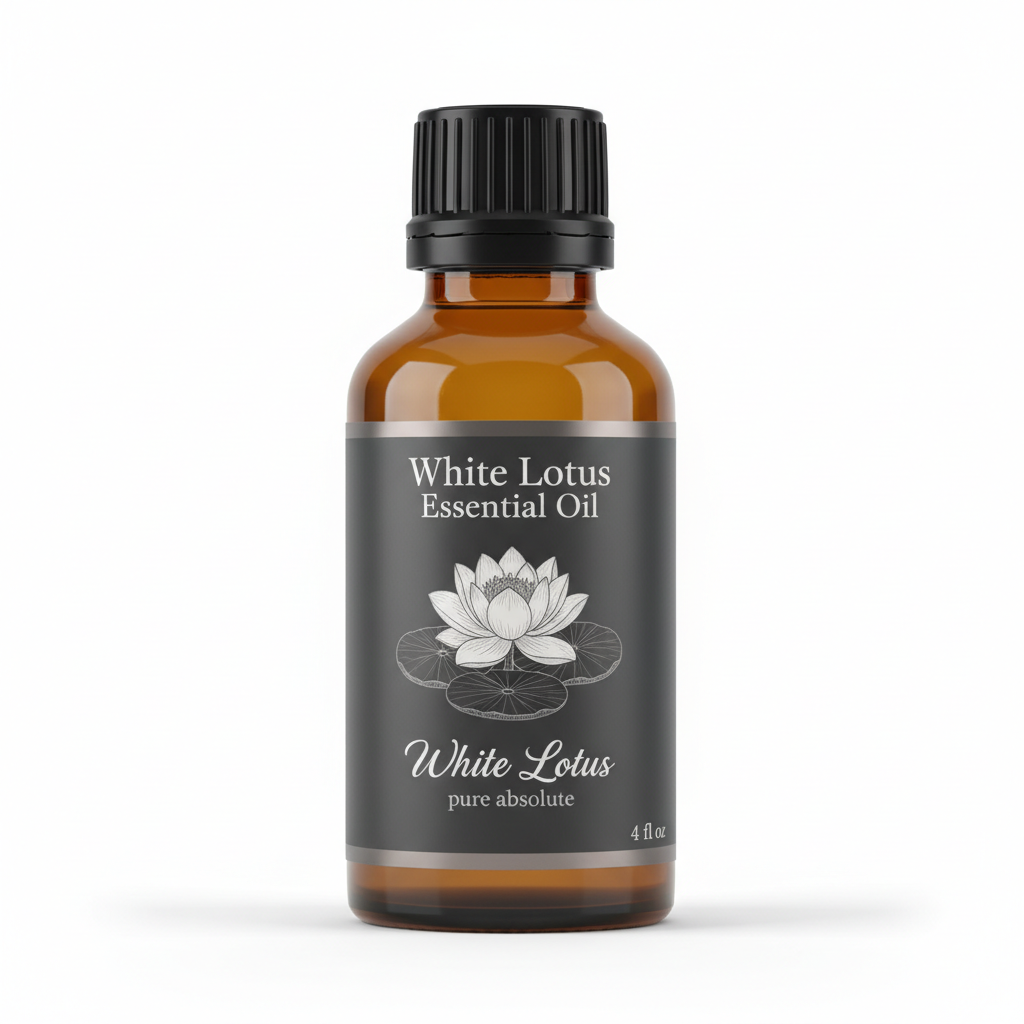
Our own White Lotus Absolute, in sizes from 0.5 oz to bulk.
From $23.99
Shop Now →The natural fit: a trace in perfume
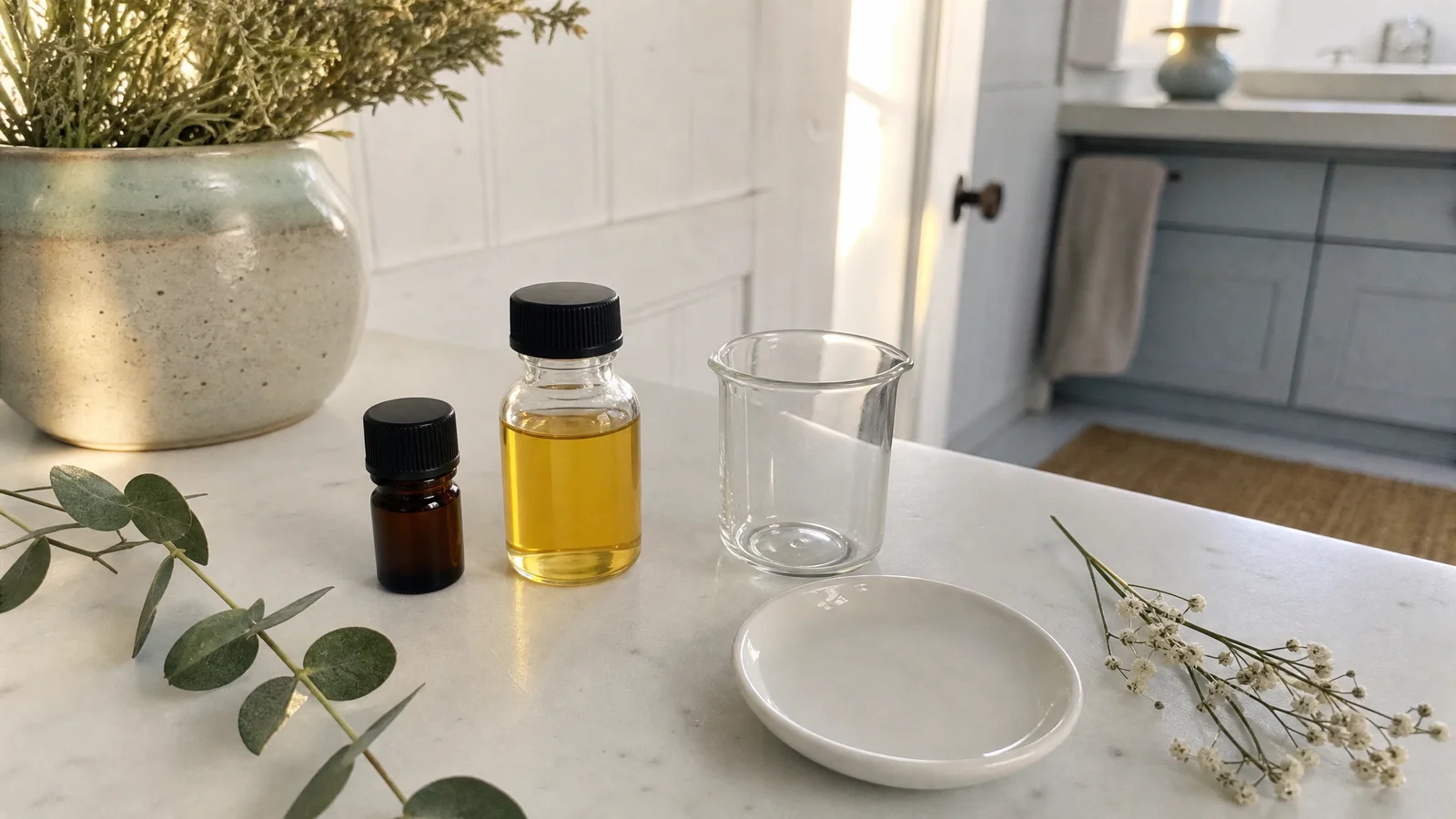
We place it as a heart note, and the materials we pair it with are sandalwood, frankincense, jasmine, rose, vetiver and soft musks. An absolute is strong and viscous, so perfumers rarely work from the bottle directly. A suggestion that makes the later arithmetic painless: make a stock by weighing a measured amount of absolute into your carrier or perfumer's alcohol (10% by weight is one convenient choice), then build blends from the stock. Our posts on building an aquatic floral heart, solid perfume in grams and how crafters use it carry that work further.
Perfume lands on skin, so the same low-dilution habits apply. Our guidance for any leave-on use is 0.5% to 2% in a carrier with a patch test first, and we like the lower end.
When we talk about a trace in perfume, we mean it. Picture a tiny dab on the end of a toothpick or a single weighed drop in a stock. The aim is a whisper of watery green petals and honeyed warmth, not a cloud. Perfume made this way keeps changing as you wear it, and part of the pleasure is noticing that change over an afternoon.
Paper, ink and stationery
Scenting paper takes the absolute off the skin altogether, which makes it a lovely entry point: a scent strip, a folded note card, the inside of an envelope. Test on a corner of the paper first. We cover the technique in scenting paper and letters.
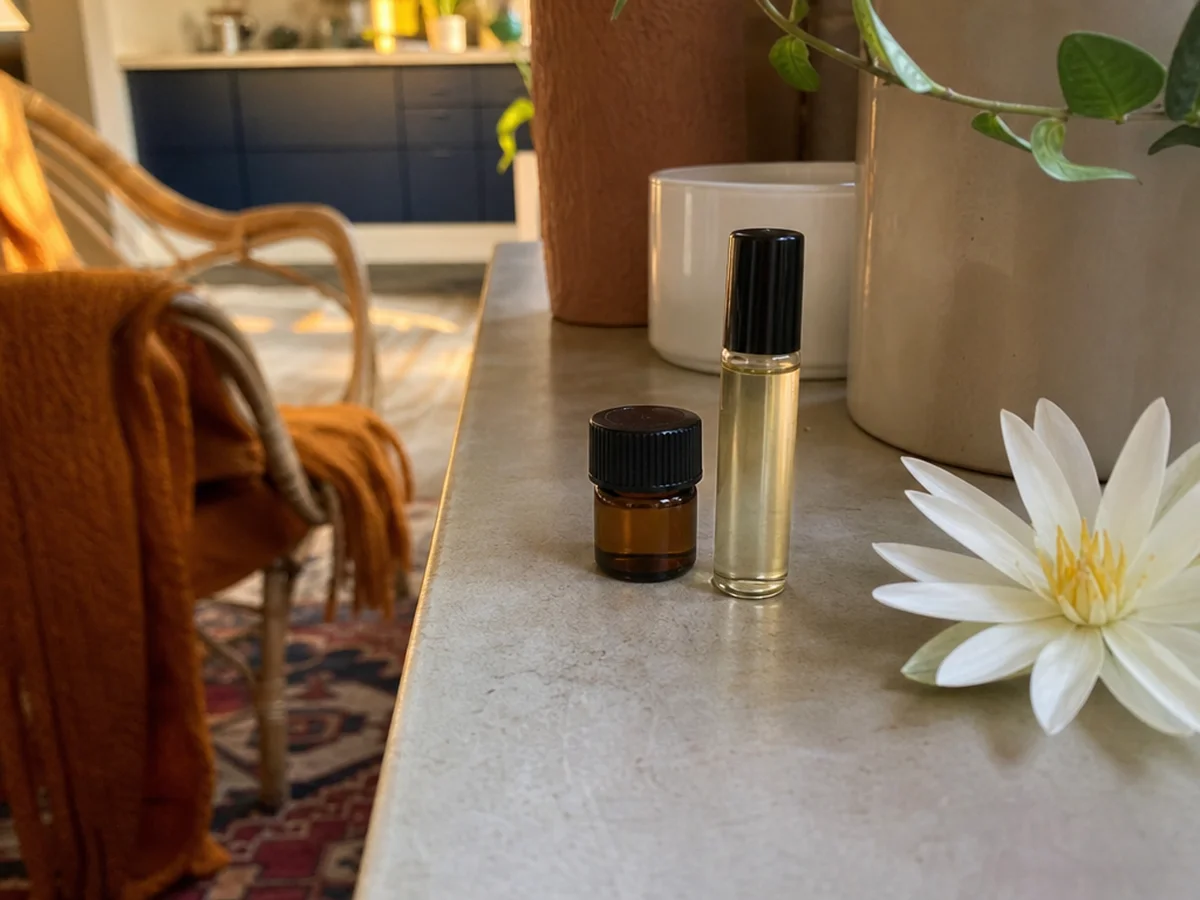
If you try a body oil, keep the first batch to a very small bottle and keep the percentage low. Smell it on a blotter, then think about where you would actually wear it. A light touch at the wrist or collarbone, away from the face, is easier to judge than a whole-body application. Leave it a day or two between tries so you can tell what you really think.
A body oil, kept very light
We describe a very low dilution in a light carrier as an anointing-style body oil. The arithmetic for one fluid ounce (about 30 g) of carrier is simple: 0.5% is about 0.15 g of absolute, roughly 3 drops by our shop guidance, and 2% is about 0.6 g, roughly 12 drops. Weigh when you can, since a thick absolute does not fall in uniform drops. For a balm or butter, our body butter formulation does the sums in grams. You will find the carrier oils and butters at a craft supply shop or pharmacy.
Diffusers, candles, soap and the bath
We mention a tiny amount in a diffuser blend with frankincense, small amounts in candle wax or cold-process soap, and these are creative-use ideas more than recipes. A thick absolute behaves differently from a thin distilled oil, so it benefits from patience and a very small first batch. A household with cats, birds or small children is also a good reason to think twice about diffusing, and our diffuser post and pets post explain more. For the bath, oils do not mix with water, so drops poured straight in float and cling to skin; the bath post explains the dispersant approach.
What to leave out
- Swallowing it. It is not food, tea or a supplement. If someone swallows an essential oil, Poison Control's webPOISONCONTROL tool and the line at 1-800-222-1222 in the United States are free and available around the clock (Poison Control).
- Health outcomes. We offer an external fragrance and cosmetic material and make no medical claims for it. The FDA notes that claims such as helping you sleep or easing pain are drug claims (FDA, Aromatherapy), so for questions like those, a physician or pharmacist is the right person.
- Use around babies or during pregnancy without a clinician's word. See children and pregnancy.
- Treating it like blue lotus. Blue lotus (Nymphaea caerulea) is a different plant sold as teas, resins and vape liquids. In an analysis of a blue lotus absolute, the compounds linked to those products were present only as traces or were absent (Dosoky et al., 2023).
A few small ideas for the curious
- A scented card for a drawer. A dab on a piece of thick card, left to dry, then slipped among scarves or notebooks.
- A bookmark. A scented strip tucked into a book that lives on a shelf, away from skin.
- A scent journal. Keep a small notebook with strips of paper taped in and a line or two about what you notice each time you smell it.
None of these asks much of the absolute, and all of them let you get to know the aroma at your own pace.
Where to begin
If you are curious about the scent, start with paper or a tiny perfume stock. A half ounce goes a long way when you use it by the drop. One honest reminder from the patch-test literature: in clinic data from 10,930 patients, jasmine absolute, another floral absolute, caused positive reactions in 1.8% (Geier et al., 2022), which is one more reason we dilute and test small. Our safety basics post sets out the first-use routine.
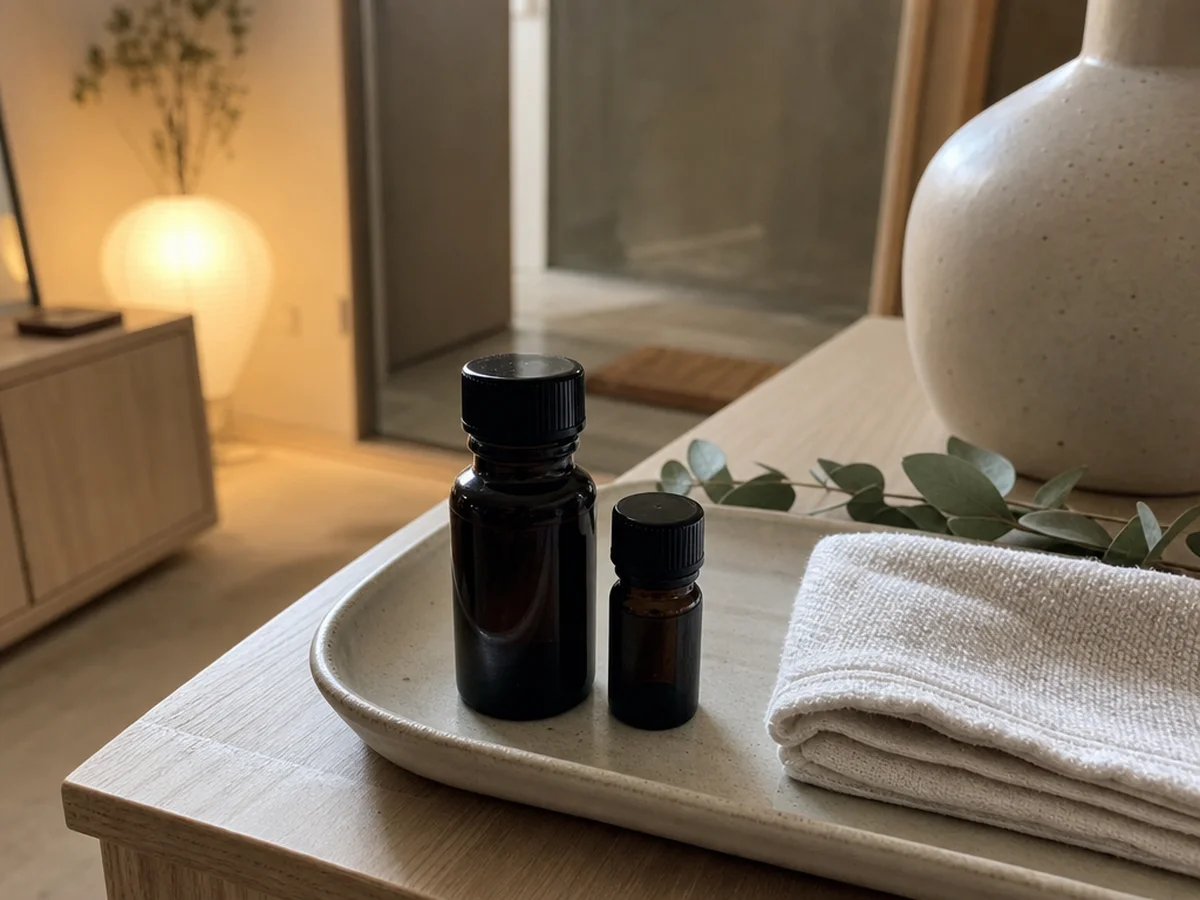
White Lotus Absolute
White Lotus Absolute from our own shop, in sizes from 0.5 oz to bulk.
From $23.99
Shop Now →Sources & Further Reading
- U.S. Food and Drug Administration. Aromatherapy. fda.gov
- Poison Control (National Capital Poison Center). Essential oils: Poisonous when misused. poison.org
- Dosoky NS et al., 2023. Chemical Composition, Market Survey, and Safety Assessment of Blue Lotus (Nymphaea caerulea Savigny) Extracts. Molecules. pmc.ncbi.nlm.nih.gov/PMC10609367
- Geier J et al., 2022. Contact sensitization to essential oils: IVDK data of the years 2010-2019. Contact Dermatitis. pubmed.ncbi.nlm.nih.gov/35417610