What Is White Lotus Oil? Why It's Usually an Absolute
Search for white lotus oil and you will meet a thick extract sold as an absolute, thinner oils with a distilled sound to them, fragrance oils, and carrier oils scented with lotus. They share a name and not much else. Here is how to tell which one you are looking at, and what we mean when we say our white lotus is an absolute.
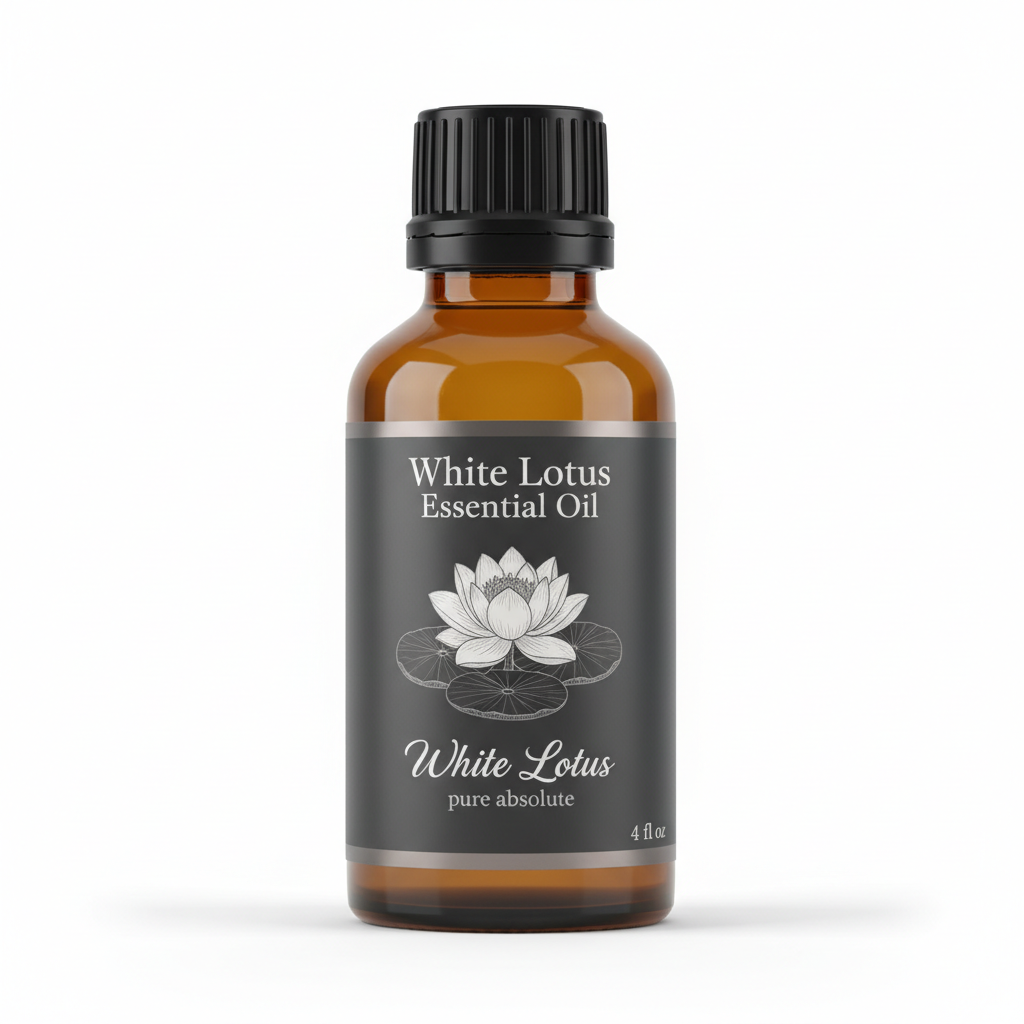
White Lotus Absolute
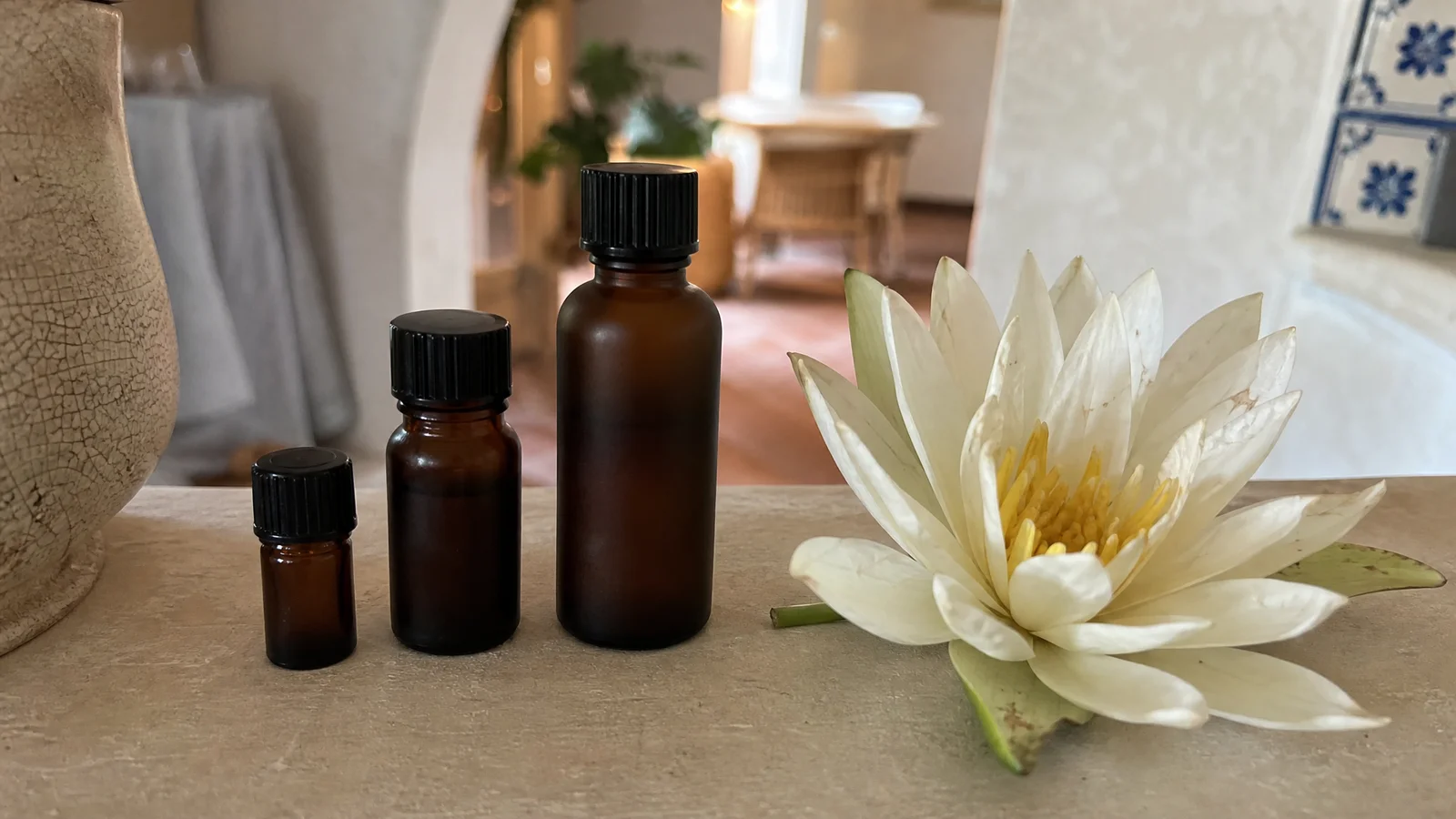
Our own White Lotus Absolute, in sizes from 0.5 oz to bulk.
From $23.99
Shop Now →"Lotus" is a crowded word
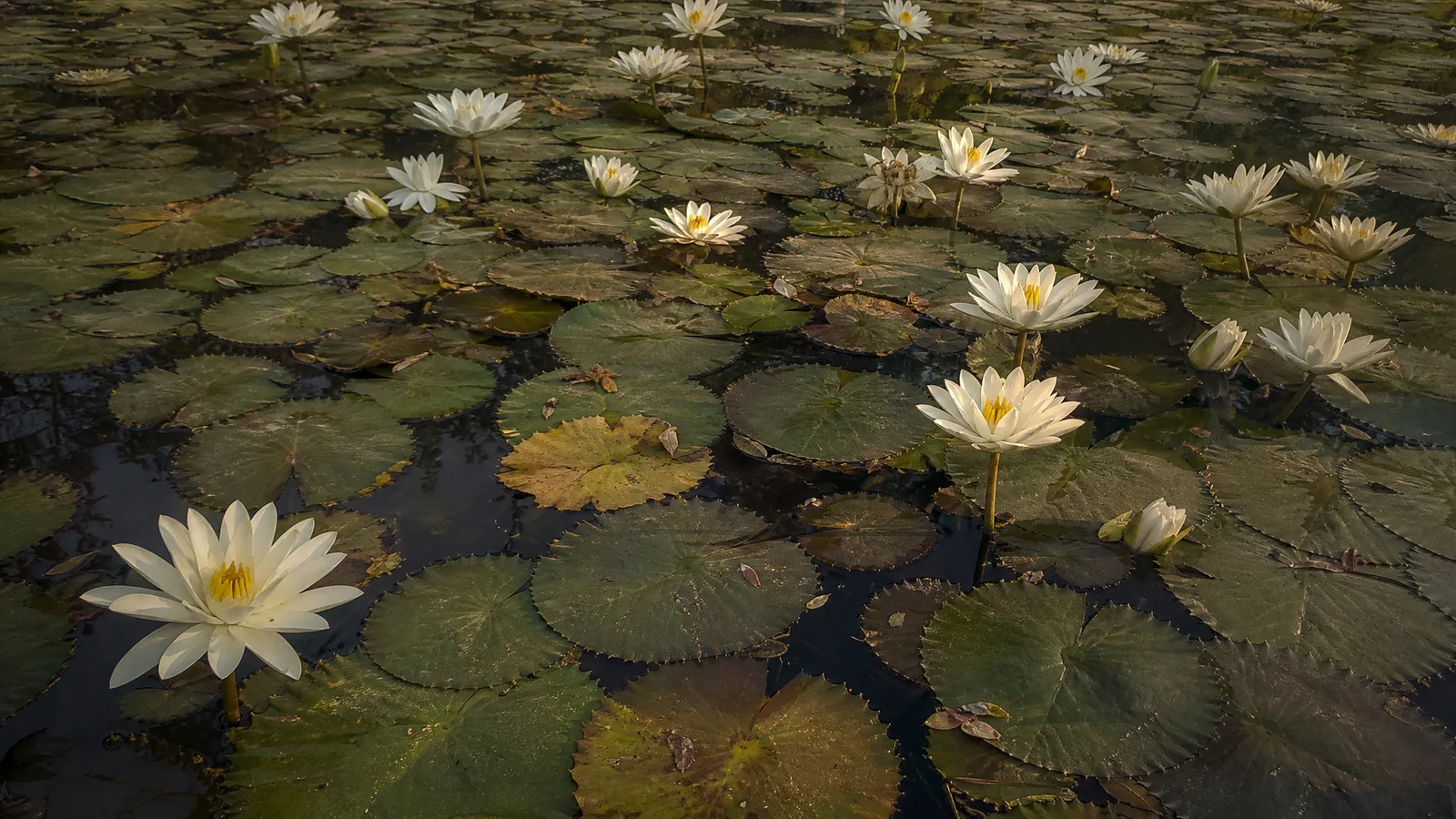
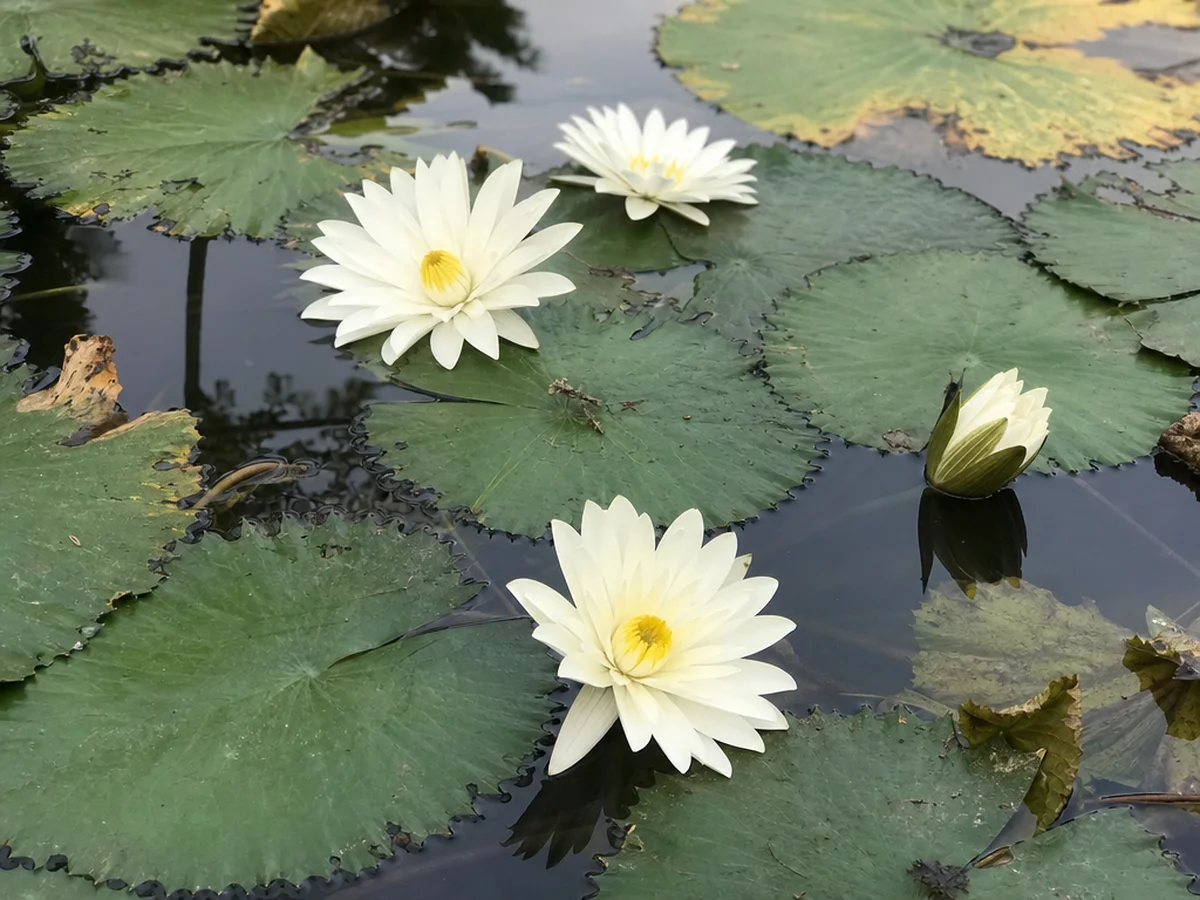
In the trade, lotus can point to more than one plant. Blue lotus, Nymphaea caerulea, is also called water lily or Egyptian lotus, according to the authors of the one lab study on a lotus absolute we know of, so you can see how names blur. The label on our absolute names Nymphaea lotus. If the exact plant matters to your project, tell us through the contact page before ordering and we will answer in writing. Our waterlily comparison is a good companion read.
What the word absolute means
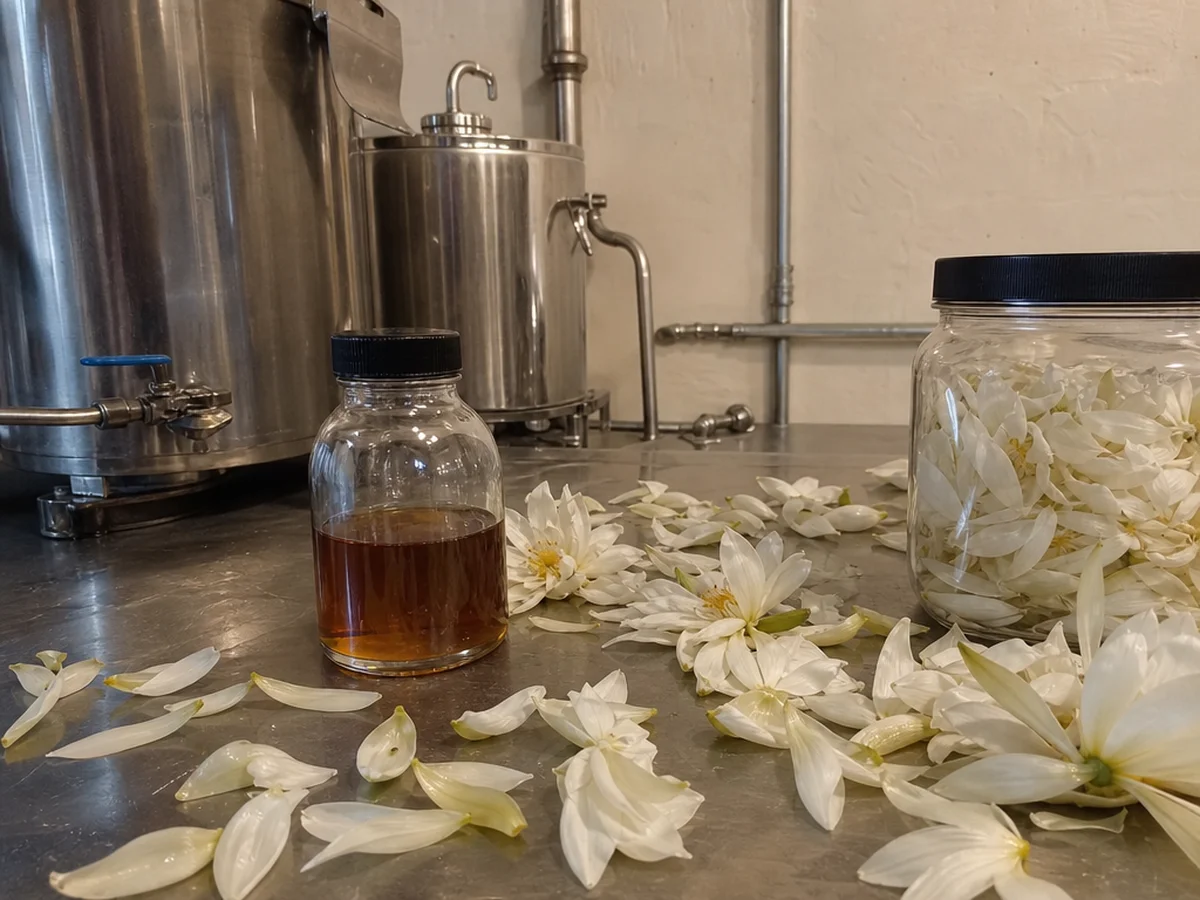
An absolute is a defined thing. ISO 9235:2021 describes it as an extract made with ethanol from a concrete, a pomade, a resinoid or a supercritical-fluid extract, where the solution is chilled and filtered to remove waxes and the ethanol is then distilled off. A concrete, in turn, is an extract of fresh natural raw material made with one or several solvents that are fully or partly removed. So a true absolute has two steps behind it, a solvent step and an ethanol step. That is a different route from steam distillation, and the two give different kinds of material.
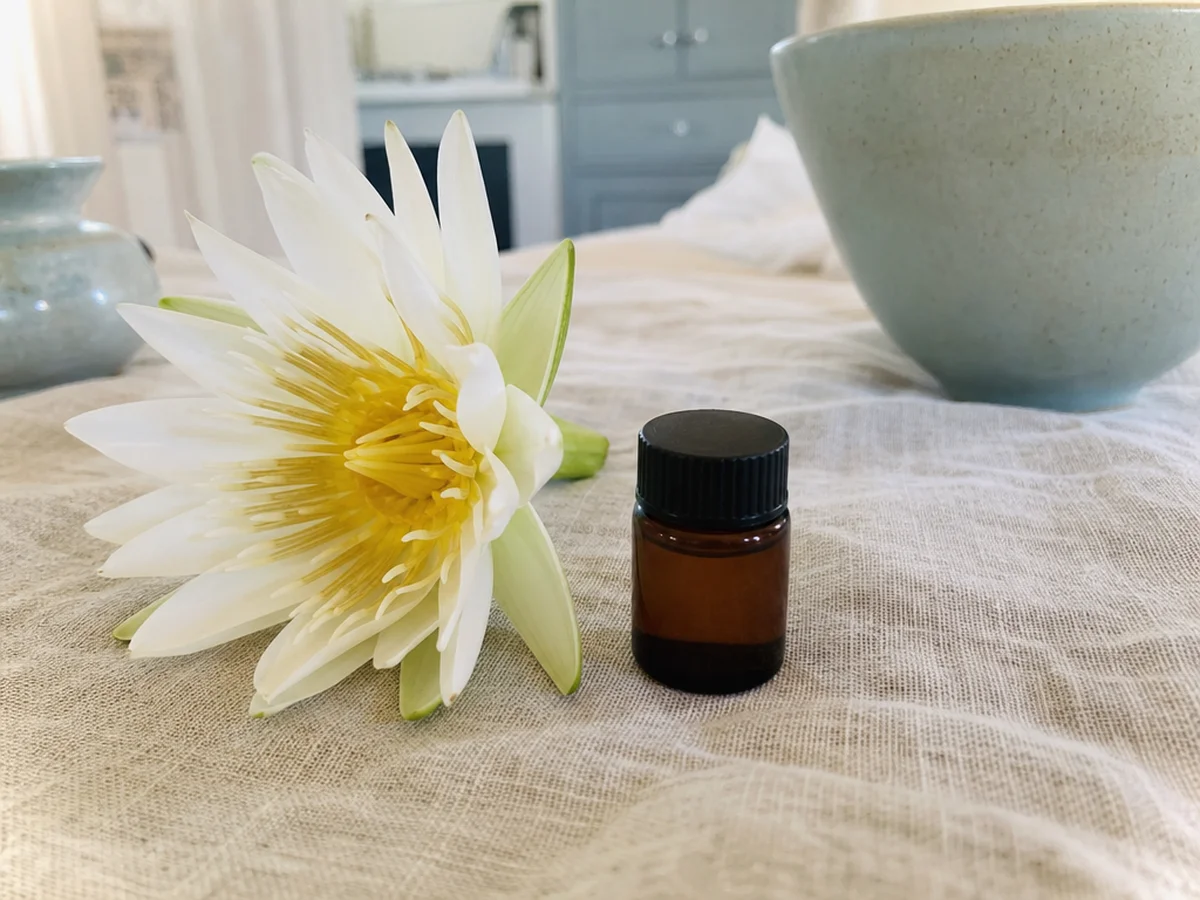
We sell our white lotus as an absolute, a solvent-extracted extract of the blossom, listed under a grade we call Botanical. The name tells you the family of process. It does not rank the quality, so we would always encourage you to ask for the details that matter to you.
What we know about the chemistry
Less than the confident guides online suggest, which is part of what makes lotus so interesting. The one laboratory analysis of a lotus concrete and absolute we found studied blue lotus from China, extracted with hexane and then ethanol. The absolute's biggest peaks were 6,9-heptadecadiene at about 11%, benzyl alcohol at 10.46% and tetradecanol at 5.32%, with only trace nuciferine and no apomorphine. In everyday terms, a lotus absolute in that study was a waxy, fatty, partly volatile material rather than a terpene-rich oil, which fits the thick feel absolutes tend to have. The authors described the aroma as floral, fruity, sweet, fig-like, leathery and slightly herbaceous.
Three limits apply. That plant was not Nymphaea lotus. It is a single study. And it describes that sample, not ours. For our own absolute we have a Certificate of Analysis for one batch that records physical constants at 20 C: relative density 0.985, refractive index 1.485 and optical rotation +0.86 degrees. It has no ingredient list, so any page that tells you exactly what percentages are "in" white lotus oil is borrowing from that blue lotus paper or from a supplier sheet.
What it is for
Scent. We describe the aroma as aquatic, honeyed and serene, a heart note that sits well with sandalwood, frankincense, jasmine, rose, vetiver and soft musks. Natural perfume is the natural home for a trace of it, followed by a very low dilution in a light carrier as an anointing-style body oil, a little in a diffuser blend with frankincense, or small amounts in candle wax and cold-process soap. Our uses guide weighs each one, and the scent post goes further on aroma.
It is a cosmetic ingredient. The FDA says a product's intended use decides whether it is a cosmetic or a drug, and that perfume intended only to make a person smell good is a cosmetic. We make no medical claims for the absolute, and research on lotus extracts is mostly on other preparations and other routes, as our research map lays out. It is not a food or flavouring either, and our ingestion post explains why it should stay out of the mouth. It is also not a fragrance oil, which is a composed blend; see the comparison.
Meeting it for the first time
Before you plan any project, give the bottle a quiet minute. Open it, hold it a little way from your nose rather than right under it, and take one short breath. Then close it and wait. The aroma we describe as aquatic and honeyed is easier to read on a second pass than on the first, and a paper blotter, kept off skin, lets you come back to it over an hour with no commitment at all.
We would also suggest writing down two or three words of your own before you read ours. Lotus is a word that carries a lot of expectations, and your first impression is worth keeping as a reference.
A good first project
If you are new to absolutes, our recommendation is to pick one small project, make it once, and learn from it before you plan a second. A scented blotter is the smallest project there is. A low-dilution body oil or a tiny solid perfume is the next step up. Whichever you pick, weigh the absolute, write the percentage on the label and keep the first batch small.
Using it comfortably
For skin, we say dilute to 0.5% to 2% in a carrier oil such as jojoba or fractionated coconut, patch test first, and keep it away from eyes, children and pets. Because we do not have a constituent breakdown for it, we start at the low end and suggest you do the same. Pregnant or nursing readers should check with a clinician first; our pregnancy post shows what sources say. When you are ready to choose, our buying guide lists the questions to ask any seller, and we are happy to answer them in writing.
White Lotus Absolute
White Lotus Absolute from our own shop, in sizes from 0.5 oz to bulk.
From $23.99
Shop Now →Sources & Further Reading
- ISO 9235:2021, ISO 9235:2021 - Aromatic Natural Raw Materials Vocabulary Standard (preview)
- Dosoky NS et al., 2023, Chemical Composition, Market Survey, and Safety Assessment of Blue Lotus (Nymphaea caerulea Savigny) Extracts, Molecules
- FDA, Aromatherapy