White Lotus Absolute FAQ: 12 Plain Answers
Most of the questions we get about white lotus absolute are the same dozen or so, usually asked right before someone orders. So here they are in the order a purchase tends to run, answered as plainly as we can. Where nobody has published an answer, we say so and tell you where to look.
White Lotus Absolute
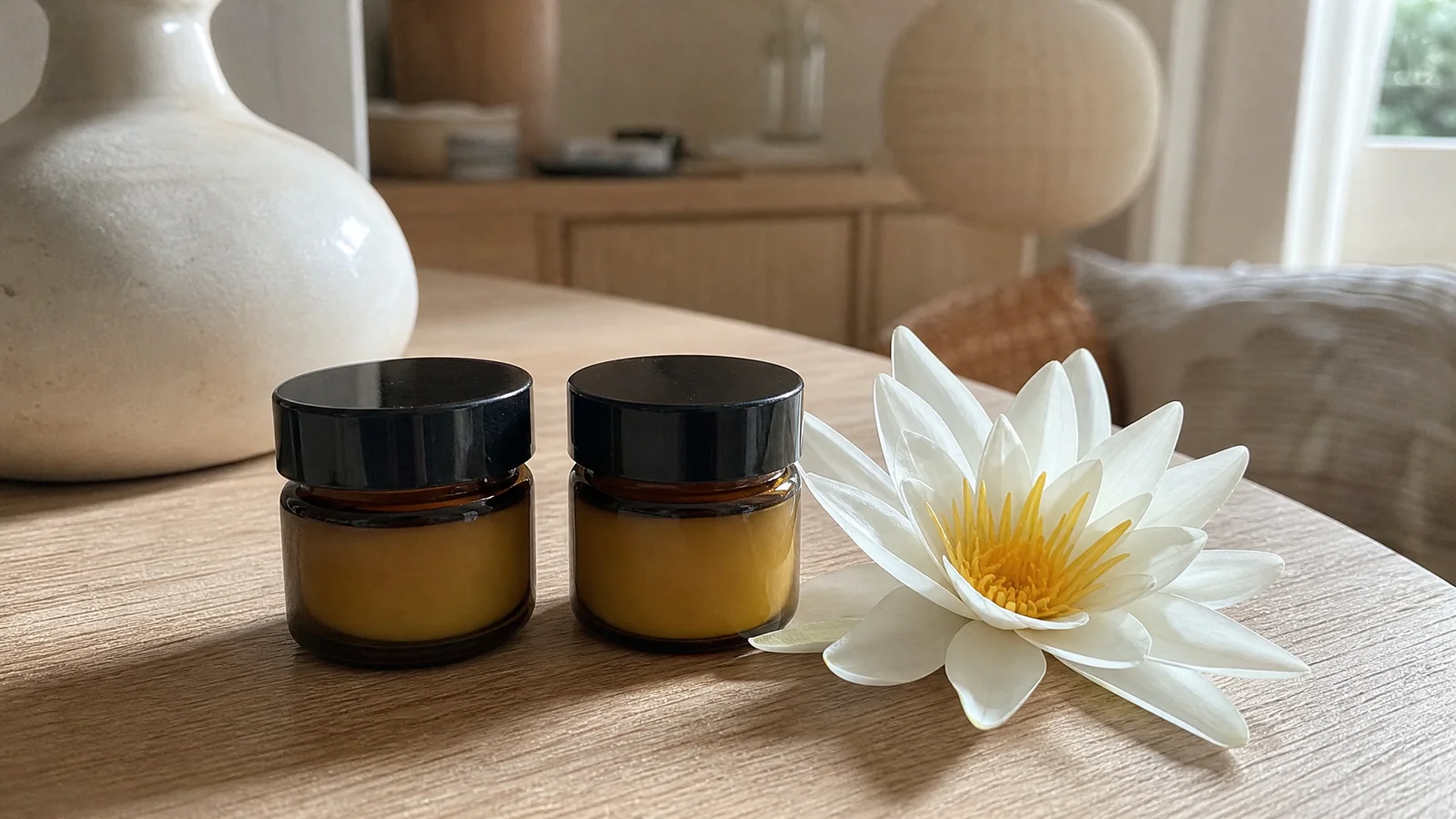
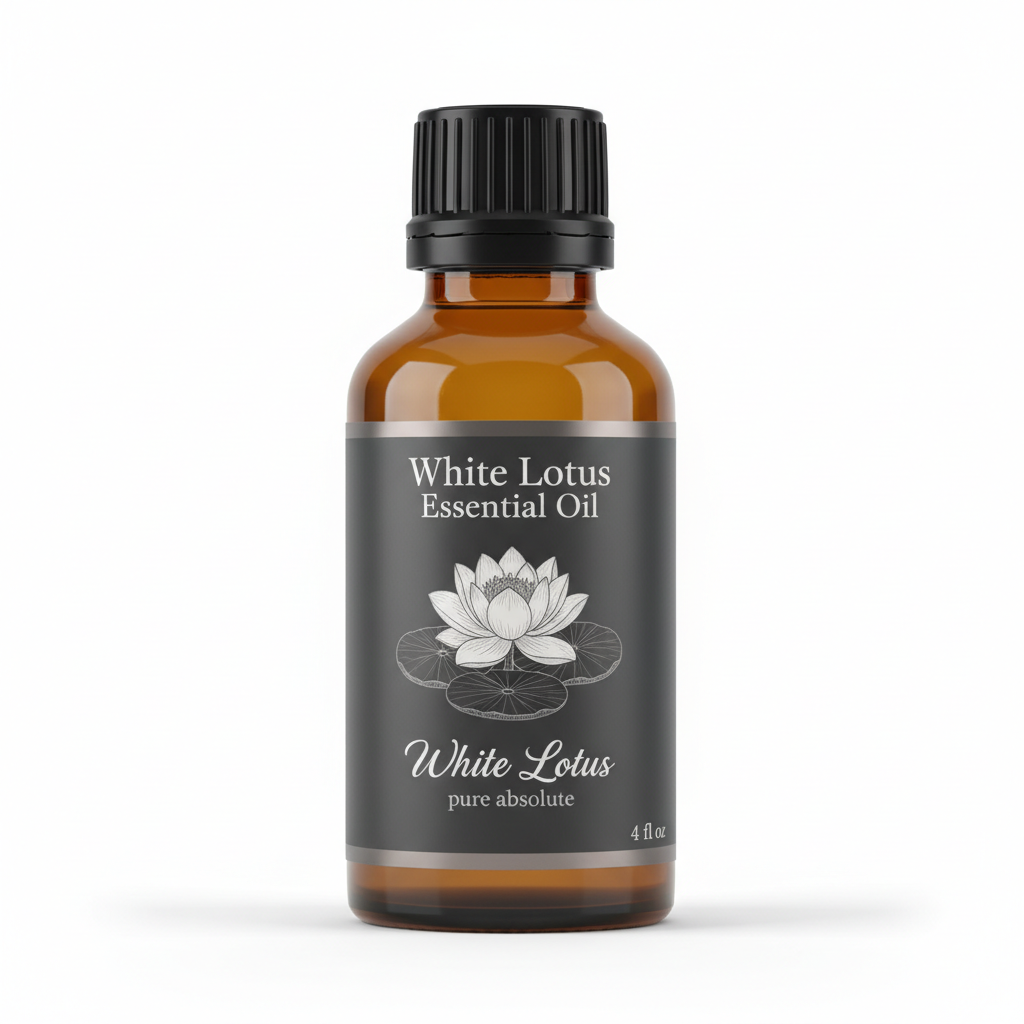
Our own White Lotus Absolute, in sizes from 0.5 oz to bulk.
From $23.99
Shop Now →Is it an essential oil?
Strictly, no. ISO 9235 defines an absolute as a product obtained by extraction with ethanol from a concrete, and a concrete as an extract made with solvents that are then removed (ISO 9235:2021). We describe our product as a solvent-extracted absolute, which makes it an extract rather than a steam-distilled oil. The "essential oil" in our brand name is a habit of the trade.
Which plant is it?
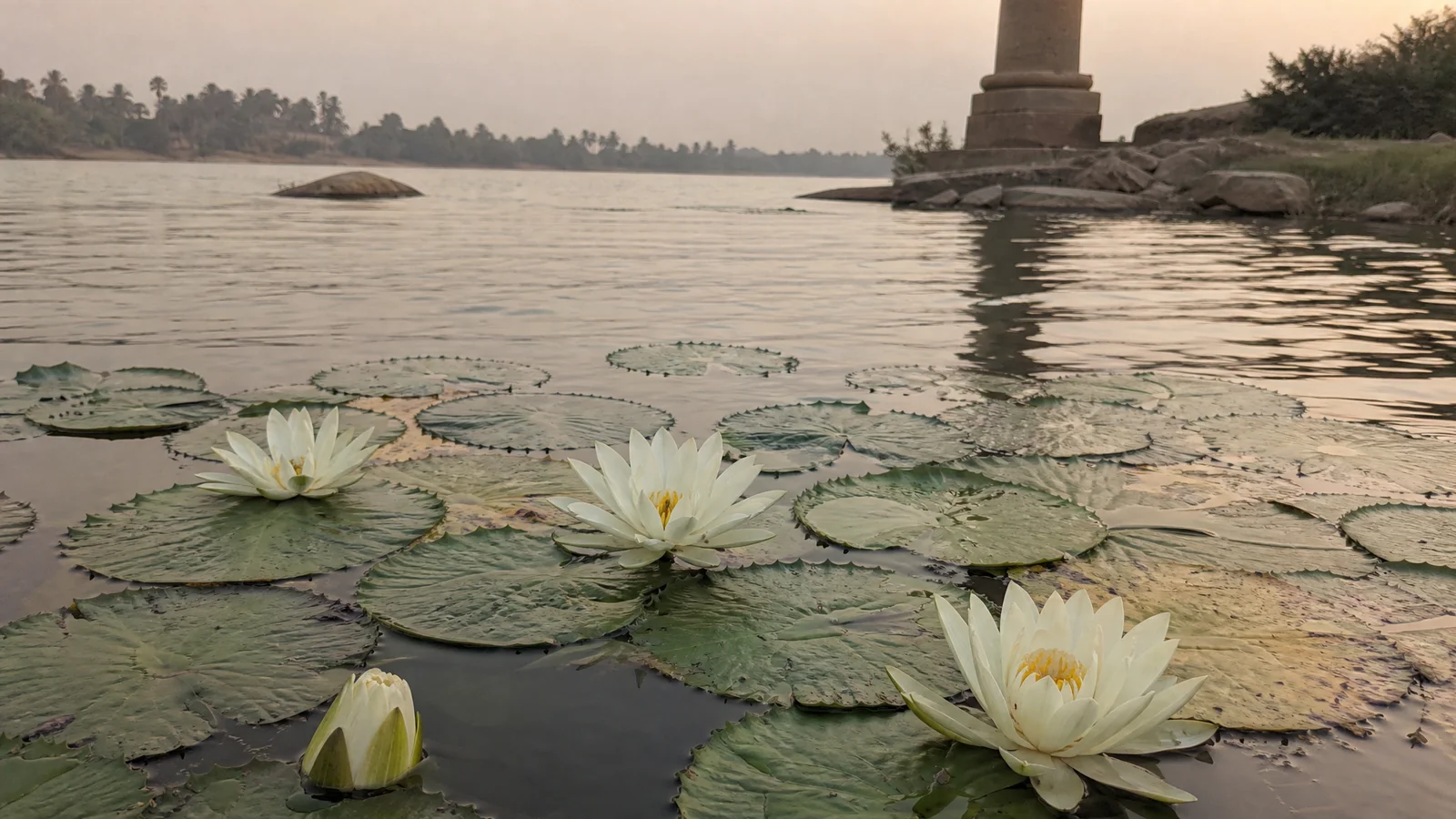
Our label and the Certificate of Analysis we publish name Nymphaea lotus. That is a different plant from blue lotus (Nymphaea caerulea) and from sacred lotus (Nelumbo nucifera), a point our guide to the three lotus names explains. If species matters for your project, ask us in writing through the contact page and keep the reply.
What does it smell like?
We describe it as aquatic, honeyed and serene: watery green florals over a warm, faintly spicy sweetness that settles into a soft, leathery hush. It is a middle, or heart, note. Smell is personal and a natural extract can vary, so trust your own nose when the bottle arrives.
What is it made of?
The Certificate of Analysis we publish is for one batch and gives density (0.985), refractive index (1.485) and optical rotation (+0.86 degrees), all at 20 C. It does not list constituents. The only published analysis of a lotus absolute is of blue lotus, where benzyl alcohol, fatty acids and long-chain hydrocarbons featured heavily (Dosoky et al., 2023), so treat that as a picture of the type of material, not a spec for ours. See our guide to reading a lotus absolute report.
How do I know a lotus oil is what it says?
A label alone cannot tell you. In that same paper, eleven products bought online as blue lotus all contained synthetic fragrance components. The FDA notes that fragrance ingredients can be listed simply as "Fragrance" (FDA, Fragrances in Cosmetics). Ask any seller for the botanical name, the form, any diluent and a batch document, and ask us for the same. Our buying checklist goes step by step.
Do you have residual solvent, allergen or IFRA paperwork?
Not as published documents. If you need any of those, for example for a leave-on product you plan to sell, write to us through the contact page before ordering and get the answer in writing.
How long does it keep?
Typically two to three years for a floral absolute, kept tightly capped in a cool, dark place away from heat and light. Our storage post has the details.
How much goes on skin?
Our guidance is to dilute to 0.5% to 2% in a carrier oil such as jojoba or fractionated coconut oil, roughly 3 to 12 drops per fluid ounce, and to patch test first. Because the composition is not published, we start at the low end. A floral absolute can sensitise some people: in clinic patch testing, 1.8% of 10,930 patients reacted to jasmine absolute (Geier et al., 2022), though that tells us nothing certain about lotus. Our dilution post shows the maths.
Can I swallow it or use it for health?
No. It is not for internal use, and we do not sell it as a remedy or for sleep, calm or any health purpose. The FDA describes a product intended only to cleanse or make a person more attractive as a cosmetic (FDA, Aromatherapy), and that is the lane we stay in. If someone swallows it, call a poison center at 1-800-222-1222.
Is it safe around children, pets or in pregnancy?
We cannot call it safe for anyone in those situations. Keep it away from children and pets, and ask a physician if you are pregnant, nursing or have a medical condition. Our posts on children and pregnancy and breastfeeding collect what sources say; for animals, ask a veterinarian.
Does it go in a diffuser?
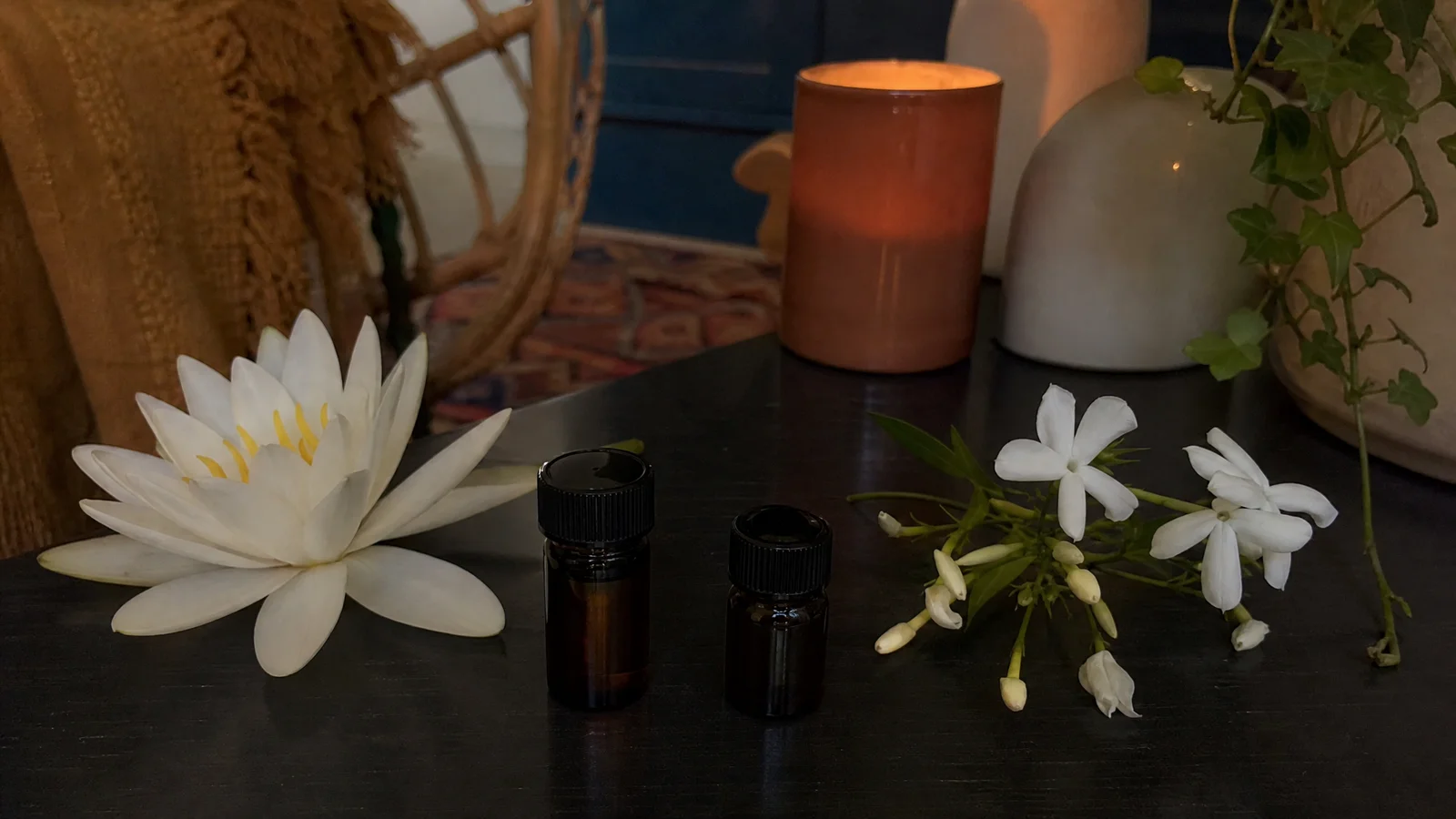
A tiny amount in a diffuser blend with frankincense is one use we list, but the material is thick, so read our diffuser post first. It blends well with sandalwood, frankincense, jasmine, rose, vetiver and soft musks, which a perfumery supplier carries.
Where do I start if I have never used an absolute?
Start small. We suggest the smallest size that covers your first project, a paper blotter for getting to know the aroma and a scale for measuring. Smell it briefly, put it down and come back a few minutes later, because a heart note shows itself in stages. Then make one tiny batch of something simple, such as a low-dilution body oil, and write the percentage on the label.
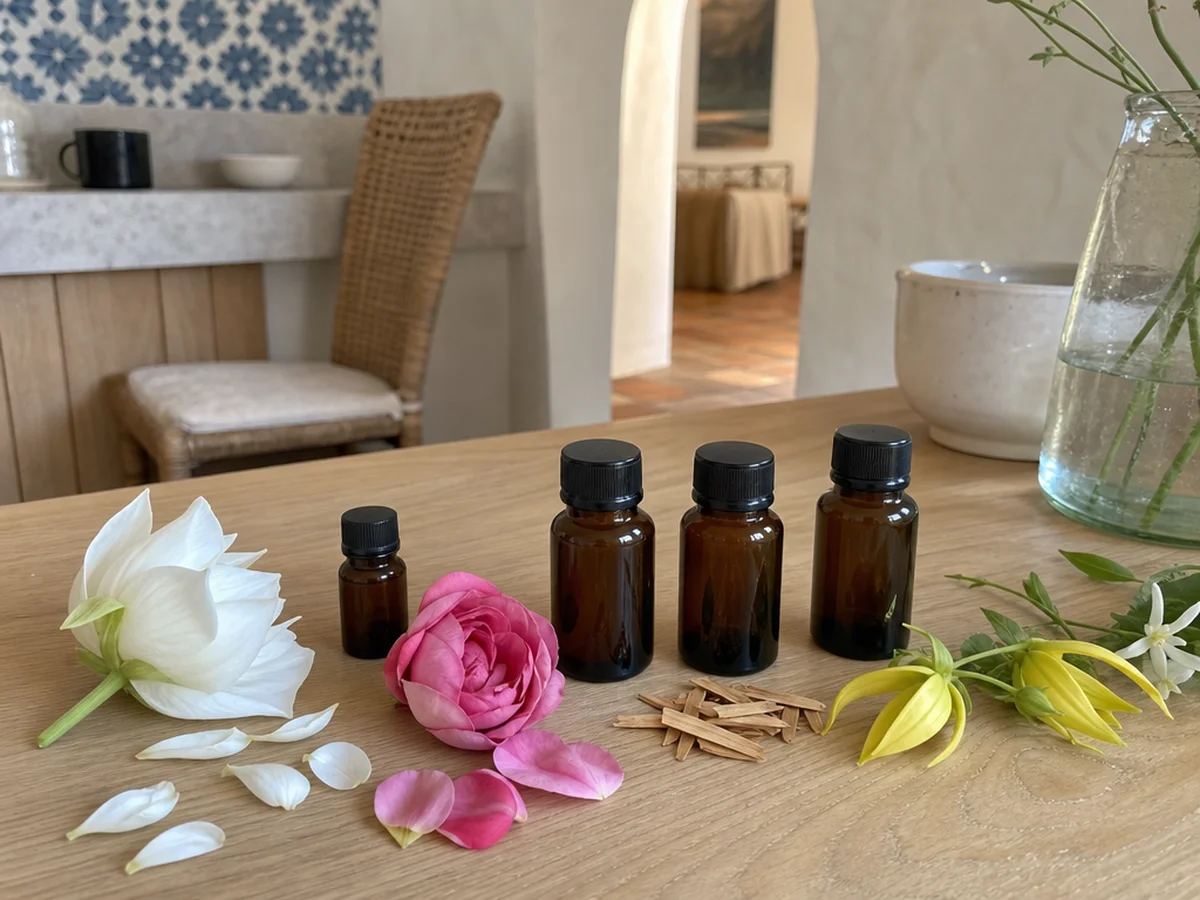
Is the smell strong straight from the bottle?
It is a concentrated material, so it is best smelled with a little distance, and at a dilution rather than neat when you want a fair first impression. We describe it as watery green florals over a warm, faintly spicy sweetness. Give your nose a break between sniffs, since smelling the same thing again and again dulls it for a while.
Do you offer samples, bulk or private label?
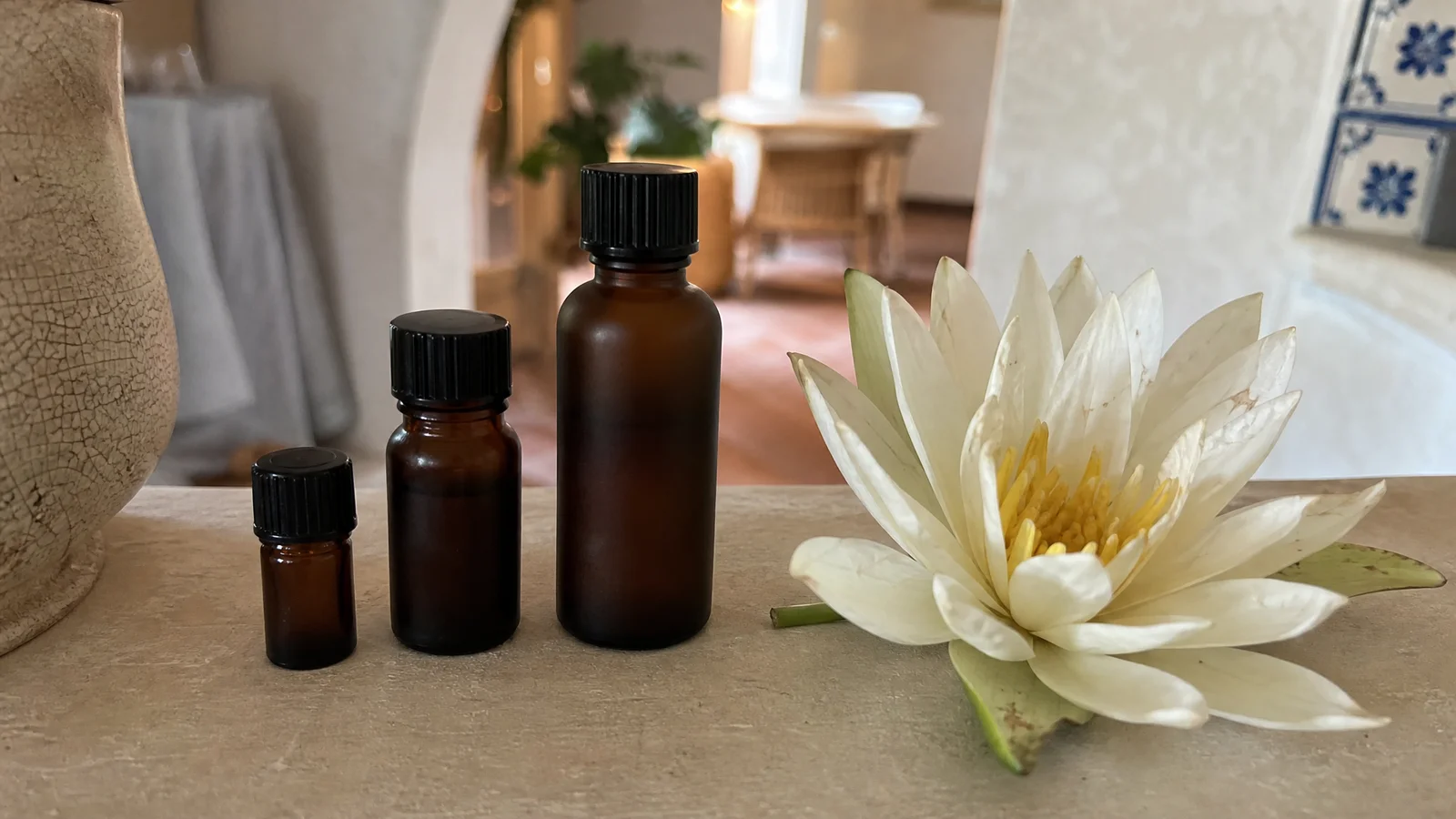
Yes. We sell ten sizes from 0.5 oz to 400 lb, and our wholesale page covers samples, a free consultation, private label and custom formulations. Current prices are on the shop page.
If your question is not here, write to us. We would rather answer it than guess.
White Lotus Absolute
White Lotus Absolute from our own shop, in sizes from 0.5 oz to bulk.
From $23.99
Shop Now →Sources & Further Reading
- ISO 9235:2021 - Aromatic natural raw materials - Vocabulary (preview copy)
- Dosoky NS et al., "Chemical Composition, Market Survey, and Safety Assessment of Blue Lotus (Nymphaea caerulea Savigny) Extracts." Molecules, 2023
- US FDA, "Fragrances in Cosmetics"
- Geier J et al., "Contact sensitization to essential oils: IVDK data of the years 2010-2019." Contact Dermatitis, 2022
- US FDA, "Aromatherapy"