White Lotus Absolute Safety: A Careful First-Use Guide
A first bottle of a floral absolute rewards a little ritual before the cap even comes off: decide how you will dilute it, with what, and where it will live afterward. Those three choices do most of the work of using it well. This is how we would run them for White Lotus Absolute.
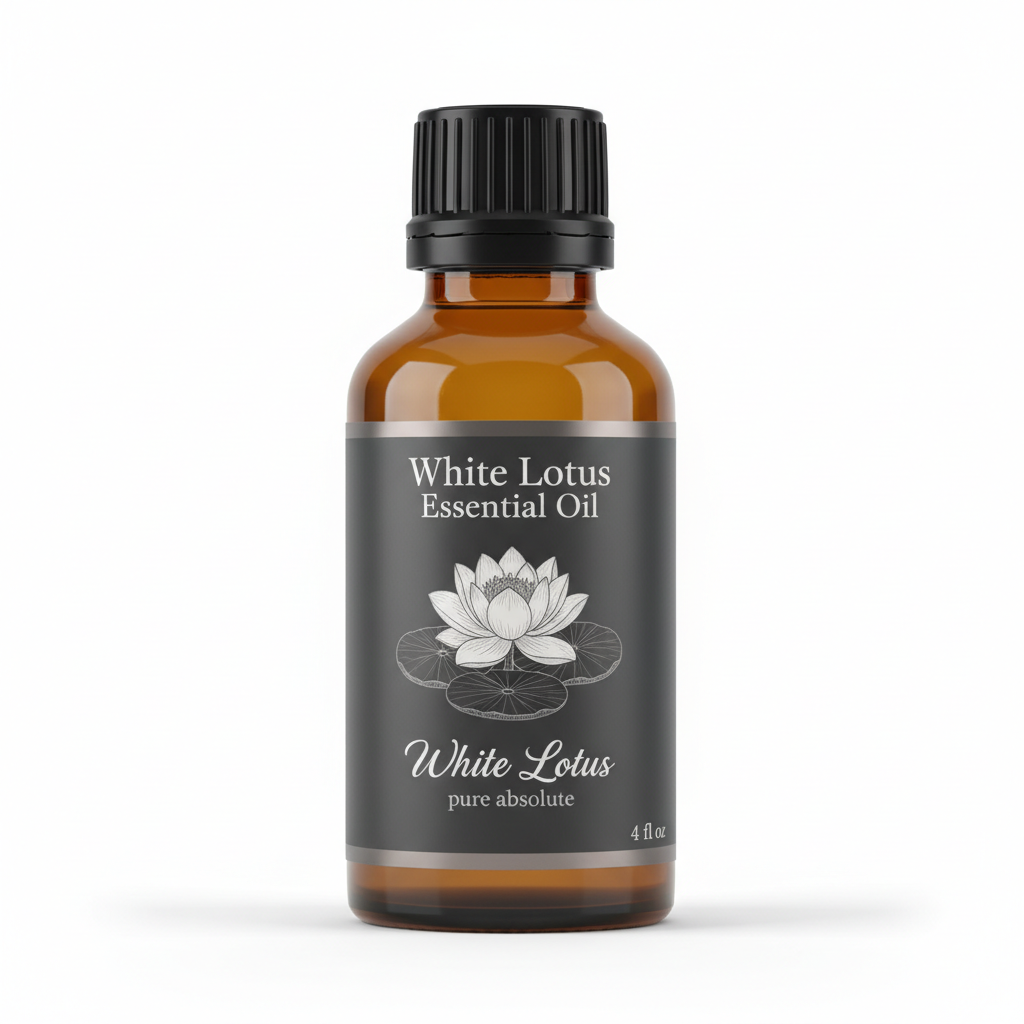
White Lotus Absolute
Our own White Lotus Absolute, in sizes from 0.5 oz to bulk.
From $23.99
Shop Now →Why we dilute, and where we start
We sell the absolute undiluted, and our own guidance is to dilute it to 0.5% to 2% in a carrier oil, patch test on a small area first, keep it away from eyes, and never take it internally. The reasoning behind the first step is simple. The National Capital Poison Center puts it plainly: diluting an essential oil in a carrier oil is the best way to avoid a bad reaction from direct skin contact, and oils should stay off damaged skin (Poison Control, Essential oils: Poisonous when misused).
Within our 0.5% to 2% range we begin at 0.5%. Floral absolutes are concentrated, and the certificate we publish for our batch lists density, refractive index and optical rotation, not a constituent breakdown, so we have no ingredient list to reason from. The nearest patch-test numbers we can point to are for jasmine absolute: in clinic data from German, Austrian and Swiss dermatology departments covering 10,930 patients tested with essential oils, 1.8% reacted to it (Geier et al., 2022). Those are people referred for suspected contact allergy, and jasmine is a different plant. It shows that a floral absolute can sensitise a small share of tested people, which is a good enough reason to start at the low end and let the skin tell you more.
Before you begin, set up a small clean space. Wipe the counter, lay out a paper towel, find a scale and a labelled bottle, and put the absolute bottle where you will not knock it. It takes a minute and it makes the whole process calmer and tidier. A thick absolute that has made a mess on a countertop is a hard thing to forget, and tidy habits prevent that.
The arithmetic, and the carrier
For a carrier, jojoba or fractionated coconut oil are the usual choices, and you will find them at a craft supply shop, pharmacy or grocery store. A heavy, viscous absolute is easier to measure by weight than by drops. As arithmetic: 0.5% of 30 g of carrier is 0.15 g of absolute, and 2% is 0.6 g. Our shop guidance gives the drop version, roughly 3 to 12 drops per fluid ounce of carrier. Our dilution walkthrough goes through the maths in more detail.
A first-use routine we would suggest
This is a conservative routine built from the sources above, offered as a suggestion, not a promise of how any skin will behave.
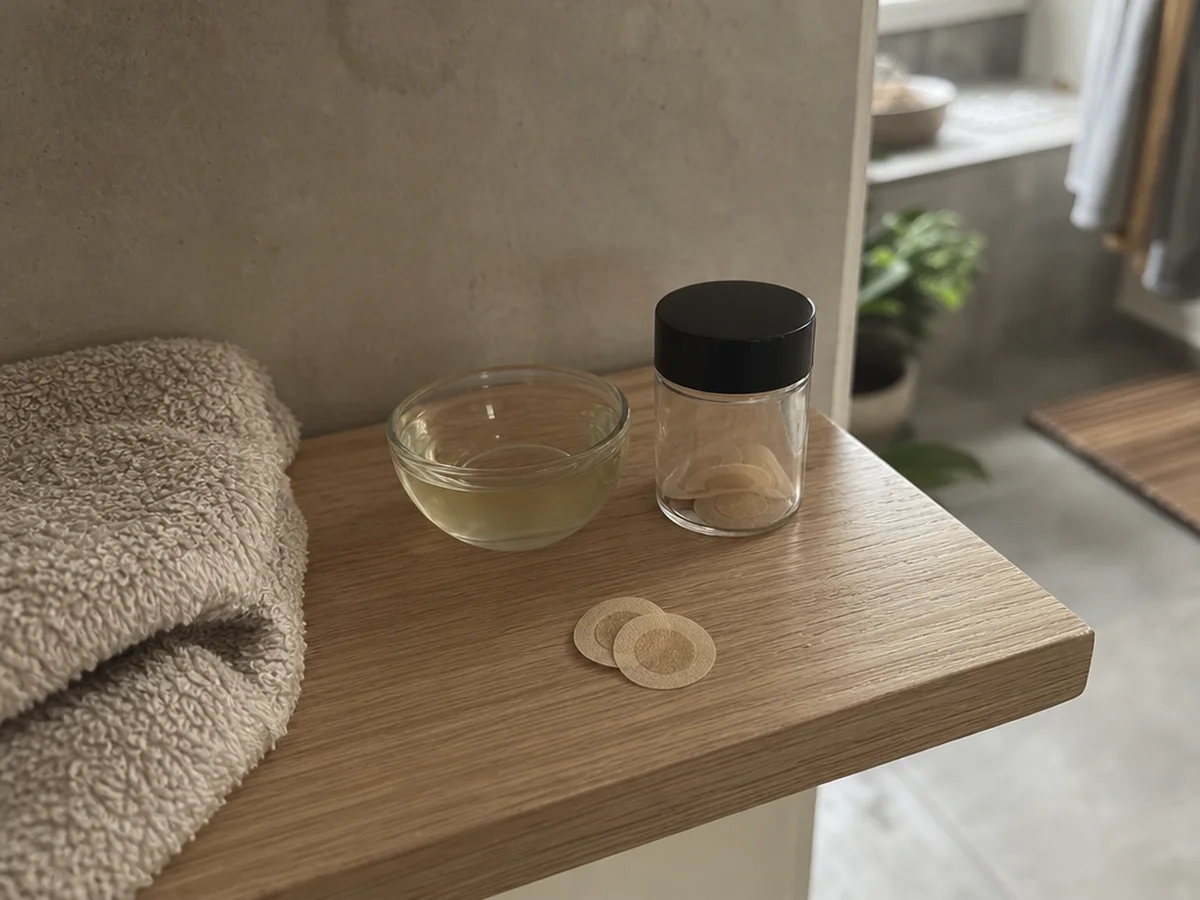
- Blend at 0.5% and label the bottle with the date and percentage.
- Dab a small amount on the inner forearm and leave it alone for a day.
- If the patch stays calm, use the blend on a small area of body skin for a few days before widening.
- Stop at the first itch, redness or burning and wash with plenty of mild soap and water. A rash that lingers is a reason to see a dermatologist.
Keep the face and any broken skin out of the first rounds. If you want the aroma with no skin contact at all, a few drops on a paper scent strip carry it beautifully.
What to notice as you go
Treat the first few uses as a conversation with your own skin and nose. Notice whether the aroma is pleasant to you at 0.5%, whether it lingers or fades quickly, and whether you want it stronger. If anything feels off, stop. There is no prize for pushing on. Plenty of people find that a very light touch is exactly right for a rich floral, and you can always add a little more next time.
When to ask a professional first
- Fragrance allergy, eczema or reactive skin: a dermatologist can do a proper patch test with a sample. If you need an allergen declaration or safety data sheet from us, ask in writing through the contact page and get the answer in writing before you rely on it.
- Pregnancy or nursing: our disclaimer asks you to consult your physician before using essential oils. Our pregnancy and breastfeeding sources post explains what the authorities say.
- Children and pets: we ask that the bottle stay out of their reach. Read our posts on children and pets.
- Any thought of swallowing it: please do not. If anyone does swallow an essential oil, use the webPOISONCONTROL tool or call 1-800-222-1222 in the United States, free and available around the clock (Poison Control).
A last note before storage: a small label on the bottle with the date you opened it, and a second label on any blend with its percentage, are the two cheapest safety tools there are. They answer the question "what was in this, and how strong?" months later, when memory has long since failed.
Storing it well
Keep the bottle capped, upright, and in a cool, dim cabinet away from windows and heat. We describe the shelf life of floral absolutes as typically two to three years. Poison Control suggests that households with young children consider discarding essential oil bottles safely, and otherwise lock them away, out of sight and reach of children and pets (Poison Control). Our storage guide covers the practical details.
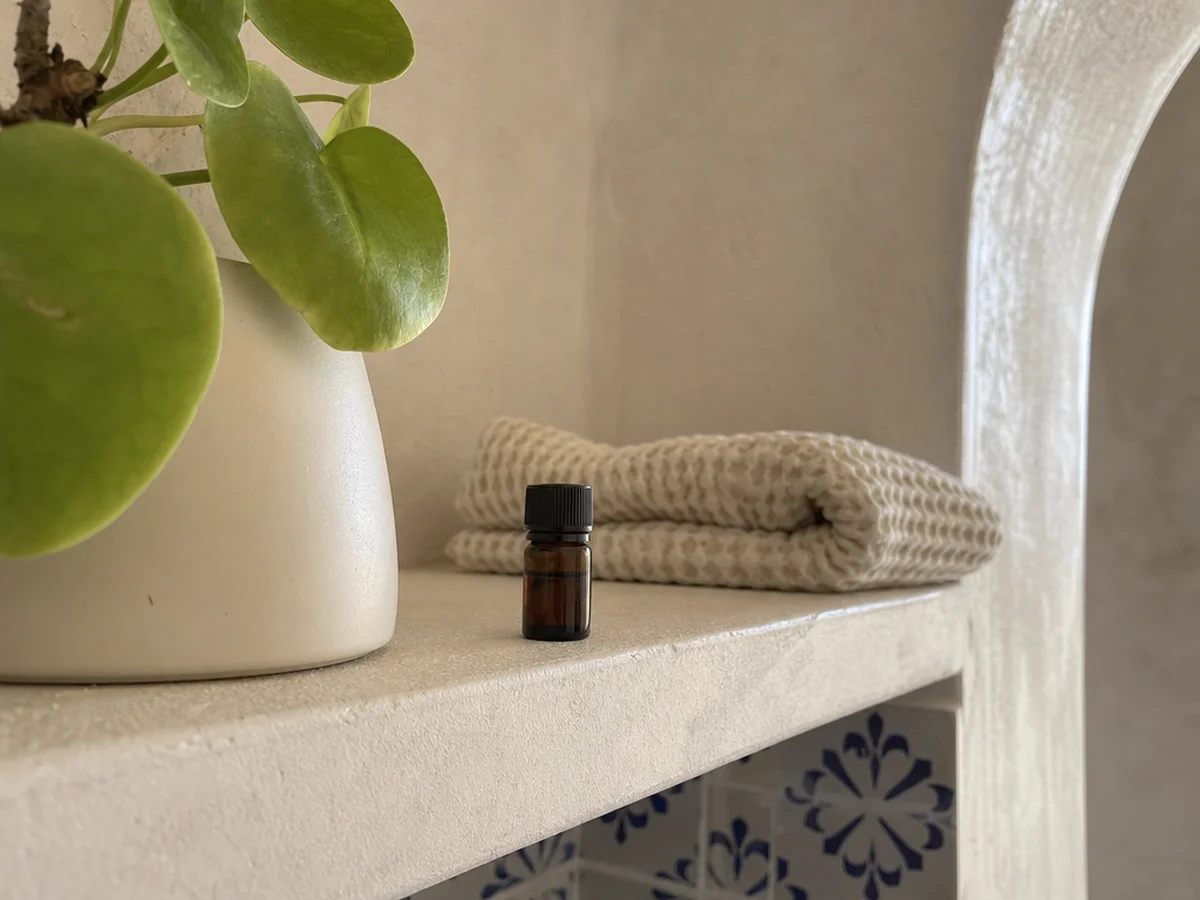
Treat the absolute the way you would any strong fragrance material: with enthusiasm, a measured start, and a little patience. The scent is worth the extra minute of preparation.
White Lotus Absolute
White Lotus Absolute from our own shop, in sizes from 0.5 oz to bulk.
From $23.99
Shop Now →Sources & Further Reading
- Poison Control (National Capital Poison Center). Essential oils: Poisonous when misused. poison.org/articles/essential-oils
- Geier J et al., 2022. Contact sensitization to essential oils: IVDK data of the years 2010-2019. Contact Dermatitis. pubmed.ncbi.nlm.nih.gov/35417610