How to Buy White Lotus Absolute: 6 Questions to Ask
Most buying advice for rare absolutes says to check the price, the colour and the smell. None of those can tell you what is in a bottle. The checks that work are questions, put to the seller in writing, and a seller who cannot answer them has answered anyway. These are the six we would ask, including of us.
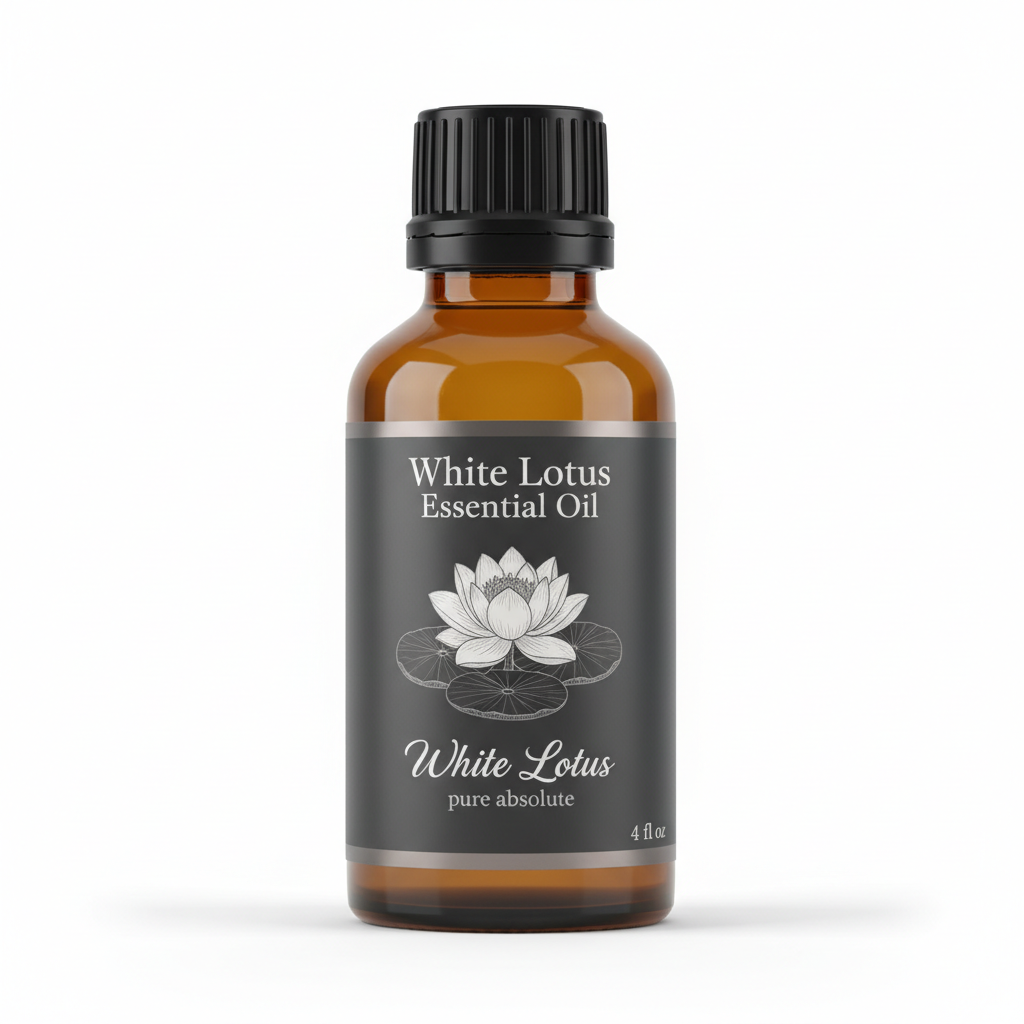
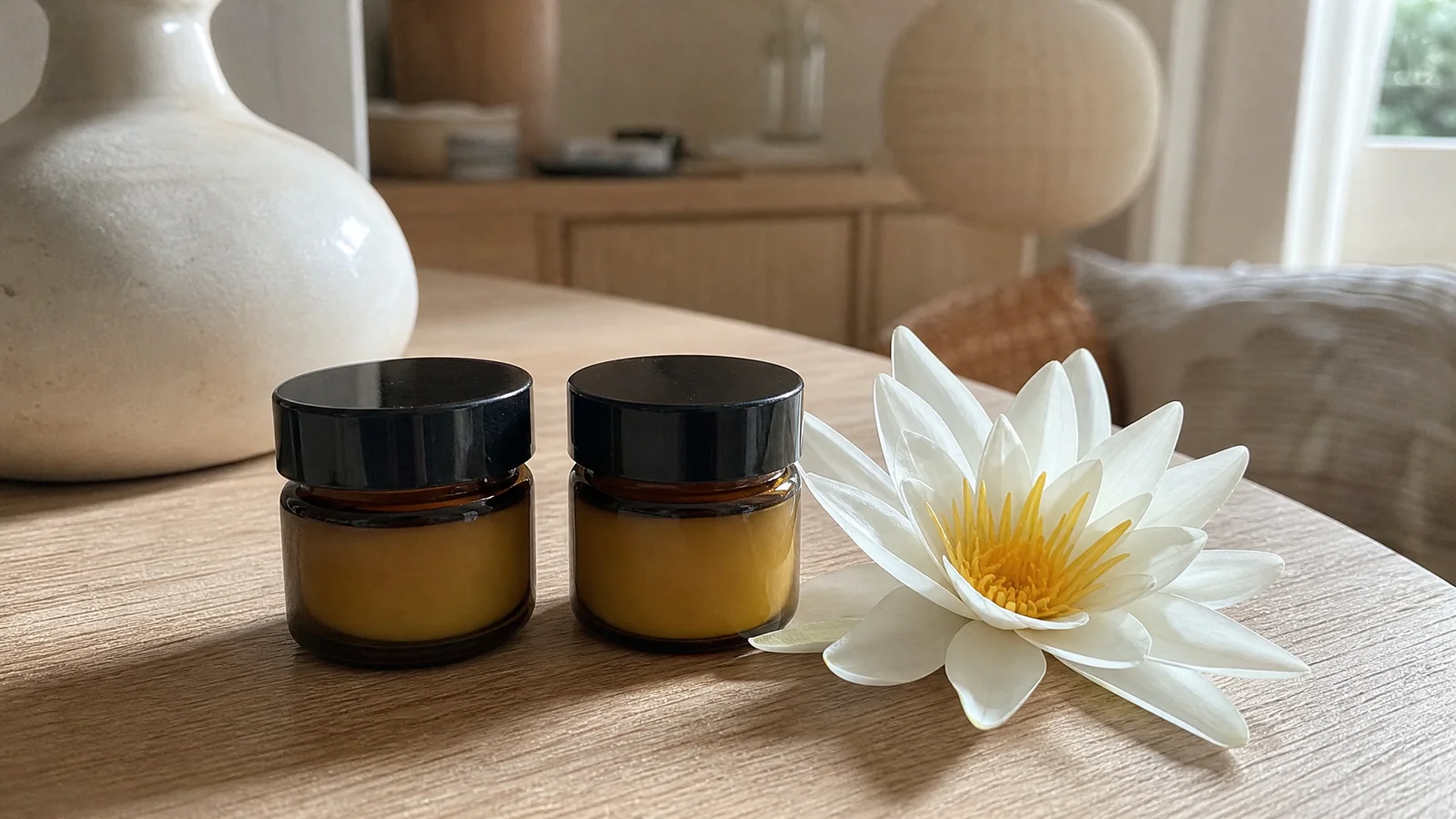
White Lotus Absolute
Our own White Lotus Absolute, in sizes from 0.5 oz to bulk.
From $23.99
Shop Now →Why we lead with questions
We would rather you leave this page with a list than with an opinion about us. A list travels with you to every seller you will ever talk to, and it works the same whether you are buying a half ounce for a perfume experiment or planning a whole product line. Copy the six questions into a note on your phone if that helps. Nobody minds being asked, and the way a seller answers is half of what you are shopping for.
Know what you are guarding against
There are three different ways a lotus bottle can disappoint: it may hold no lotus extract at all, it may hold a different lotus, or it may be the right plant made by a process you did not expect. Each needs different evidence, so a general request for "a certificate" tends to be answered with a document that proves less than it looks like it does.
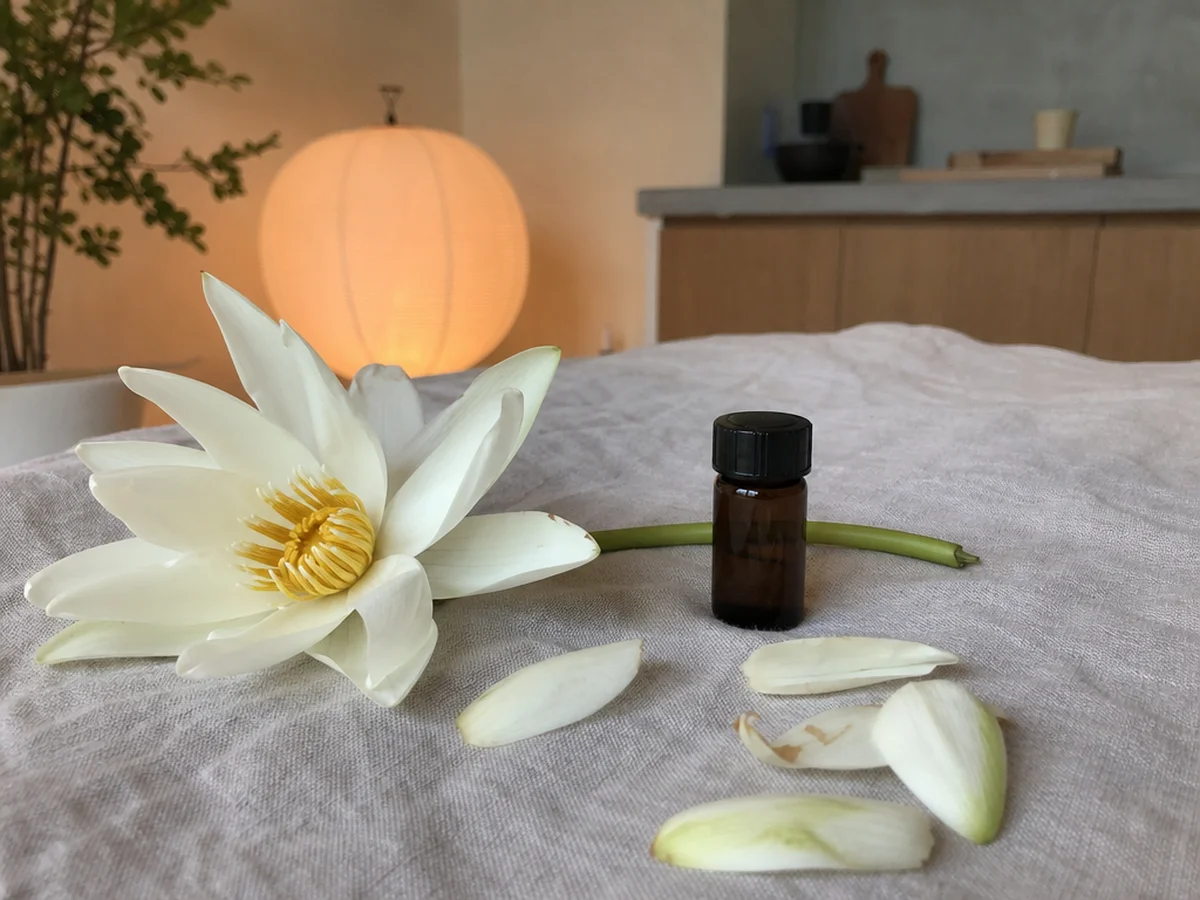
The first problem is documented. A 2023 study bought 11 "blue lotus" products from online marketplaces and found synthetic fragrance components in all of them, with some showing added citrus, lavender or geranium oils. It concerned blue lotus and a small sample, so it gives no market-wide rate, but it shows why asking matters.
1. Which plant, in writing?
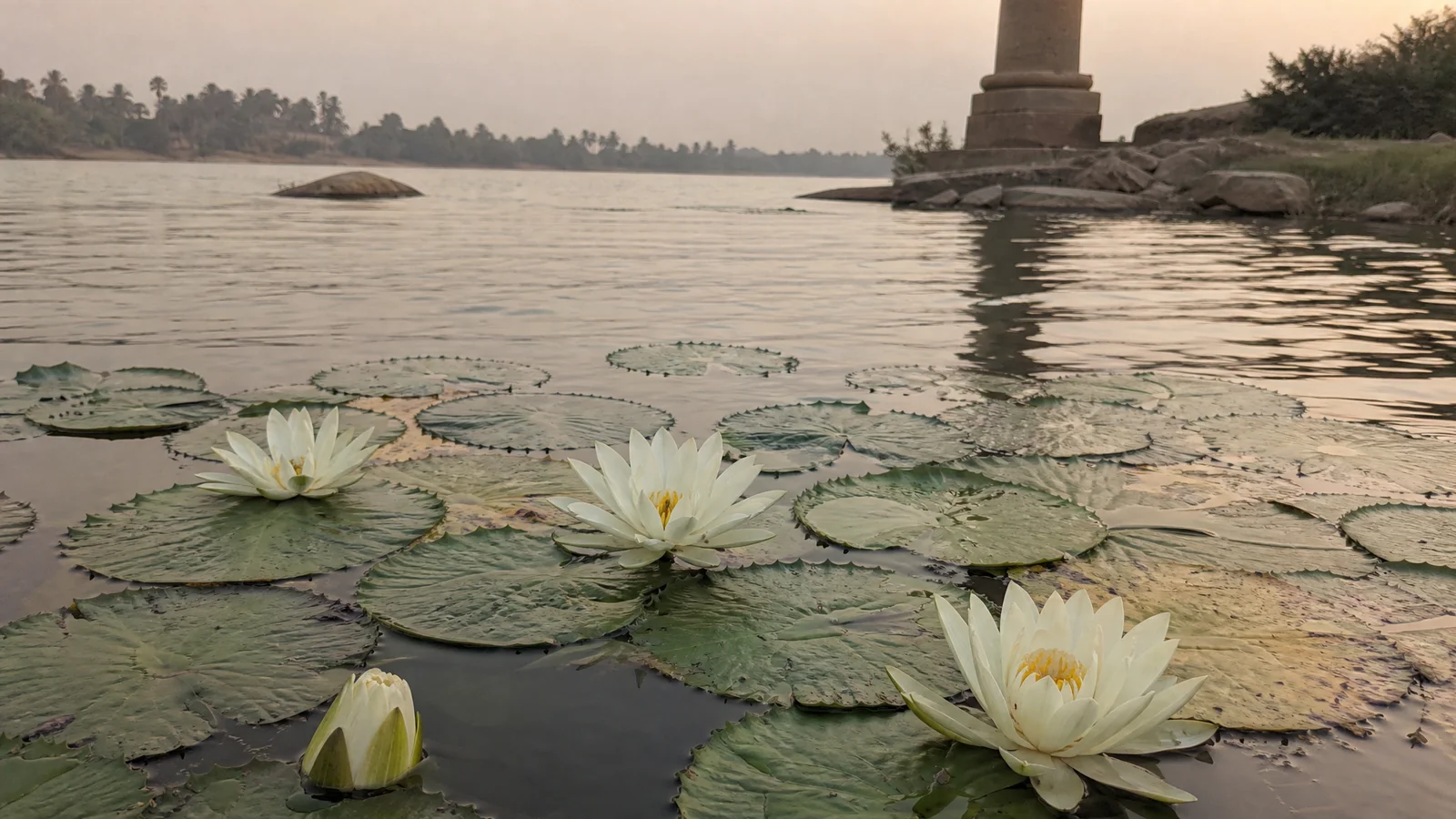
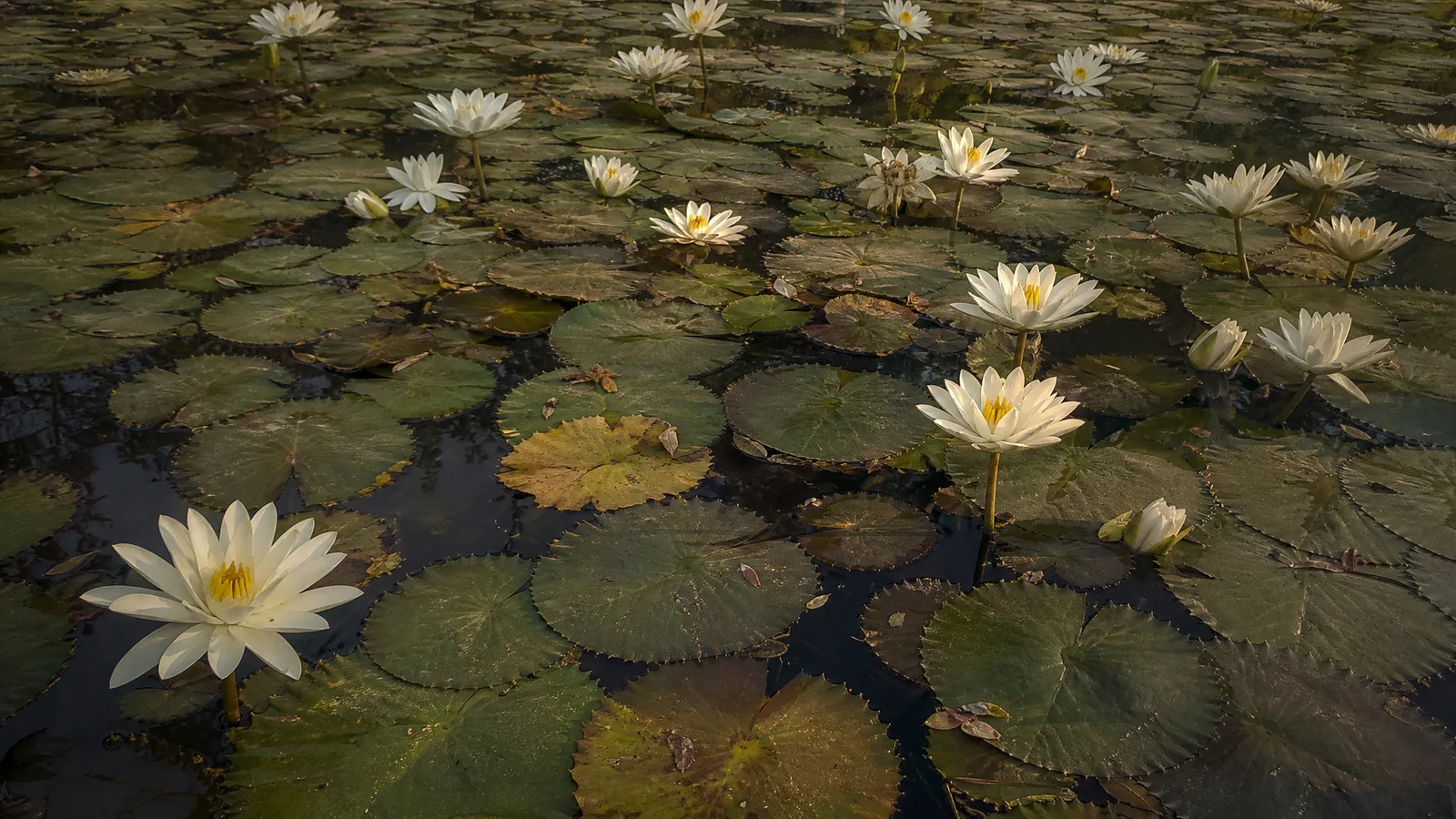
Lotus names collide. The white lotus on our label, Nymphaea lotus, is a waterlily; the sacred lotus is a different plant altogether, and blue lotus is another again. A label that says only "white lotus" does not settle it. Our guide to telling the waterlilies apart goes through the names. Our label and our Certificate of Analysis name Nymphaea lotus; if the exact species matters to your work, ask us through the contact page before you order and keep the answer.
2. How was it extracted, and does the name fit?
ISO 9235, the vocabulary standard for aromatic raw materials, defines an absolute as a product obtained by extraction with ethanol from a concrete, and a concrete as an extract made from fresh material with one or more solvents. So an absolute has a solvent history by definition. We sell ours as a solvent-extracted absolute. If you need the extraction details for your own lot, ask in writing.
3. What does the paperwork measure?
A real document can still prove less than it appears to. The Certificate of Analysis we publish covers one batch and lists appearance, smell, relative density (0.985), refractive index (1.485) and optical rotation (+0.86 degrees), all at 20 C and each beside a stated range. Those are good screening checks, but two quite different materials can share a refractive index, so they cannot identify a plant. Our guide to reading a lotus absolute certificate walks through each line. A GC-MS trace can tell far more; if you need one, ask for it for the lot you are buying, with the lab, the date and the batch number on it.
4. What about solvent residue?
Because absolutes begin with a solvent extraction, residue is a fair question, and the honest answer in any seller's reply is a number with a method, or a plain statement that none exists. If it matters to you, ask us for it in writing before you order and rely on the written reply, not on a general reassurance.
5. Which labels deserve a second look?
- Grade slogans such as "top medical grade", which have no standard behind them. See our note on what to ask a seller instead.
- Health promises. The FDA says a product's intended use decides whether it is regulated as a cosmetic or a drug, so a listing that promises sleep or calm is outside what a cosmetic ingredient may claim. We sell ours as a cosmetic ingredient only.
- A fragrance oil sold as an absolute. Our comparison of absolute and lotus fragrance oil covers the difference.
A tip on keeping the answers
When a reply comes back, save it with the date, the bottle size and the batch number from the label. Months from now, when you are filling in a product file or wondering why one bottle smells a little different from the last, that note will save you an afternoon. A simple folder on your computer, one file per order, is plenty.
6. What do you need for your own product?
If you make products for sale, decide in advance what you must be able to show your own customers: an allergen declaration, a safety data sheet, the origin. Ask us for any of these in writing before you order, and treat a vague reply as information.
The order we would do it in
Ask the six questions, buy the smallest size first, and run your own scent check and patch test with a low dilution. Our guide to diluting by weight shows how to do that without wasting a drop. If you are planning private label work, the wholesale page is where those conversations begin.
Smell it properly when it arrives
When the bottle arrives, give it a calm minute before you decide anything. Open the cap, hold the bottle a little below your nose and breathe in gently. Then put a trace on a paper strip, label the strip, and revisit it after ten minutes, an hour and the next morning. You are looking for the watery green opening, the honeyed middle and the soft leathery finish we describe, and for how they sit together. If you spot something that surprises you, write it down and send us the question. We are glad to talk it through.
A good absolute should survive a few direct questions, and so should the person selling it.
White Lotus Absolute
White Lotus Absolute from our own shop, in sizes from 0.5 oz to bulk.
From $23.99
Shop Now →