What Does White Lotus Absolute Smell Like?
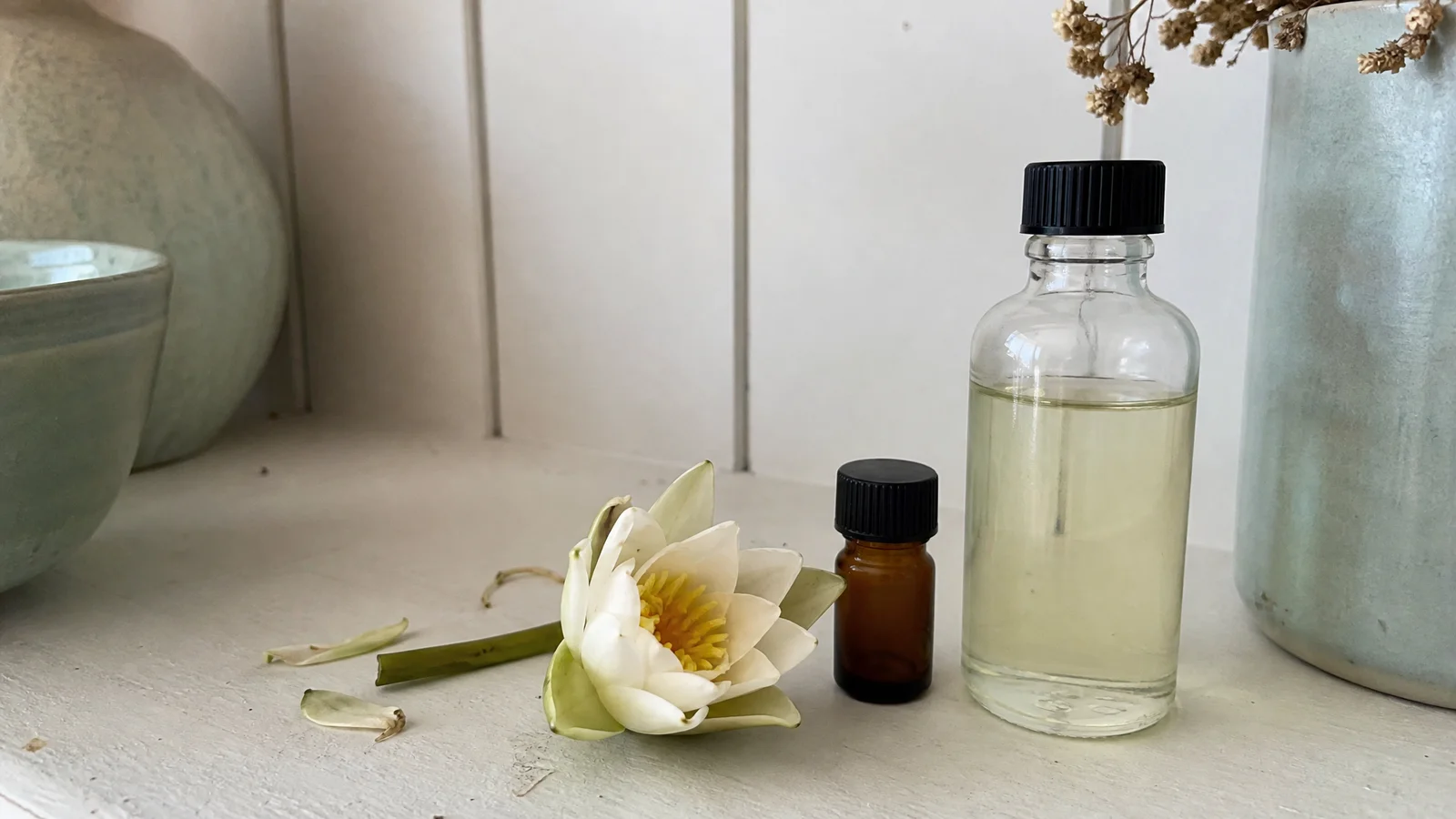
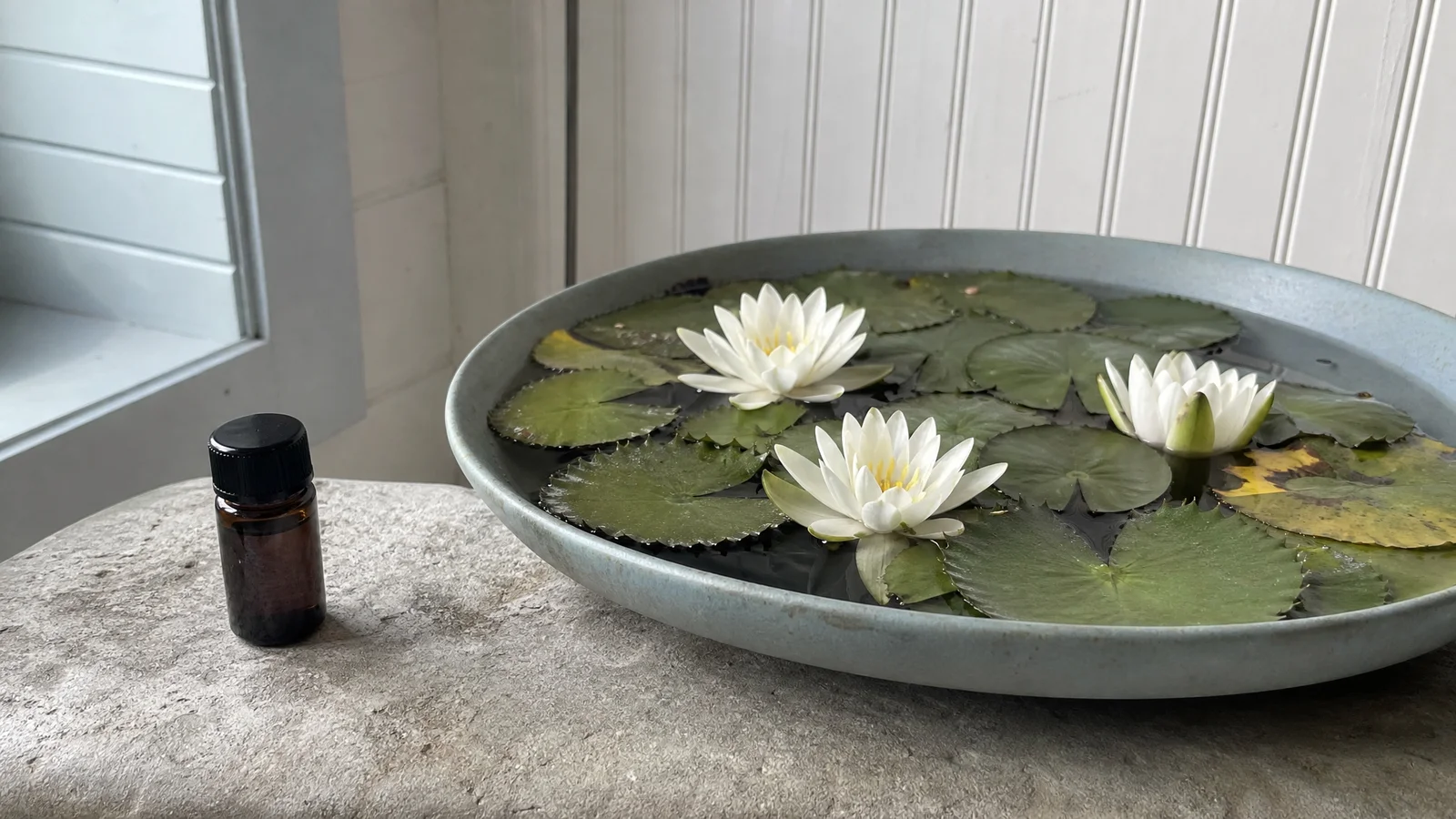
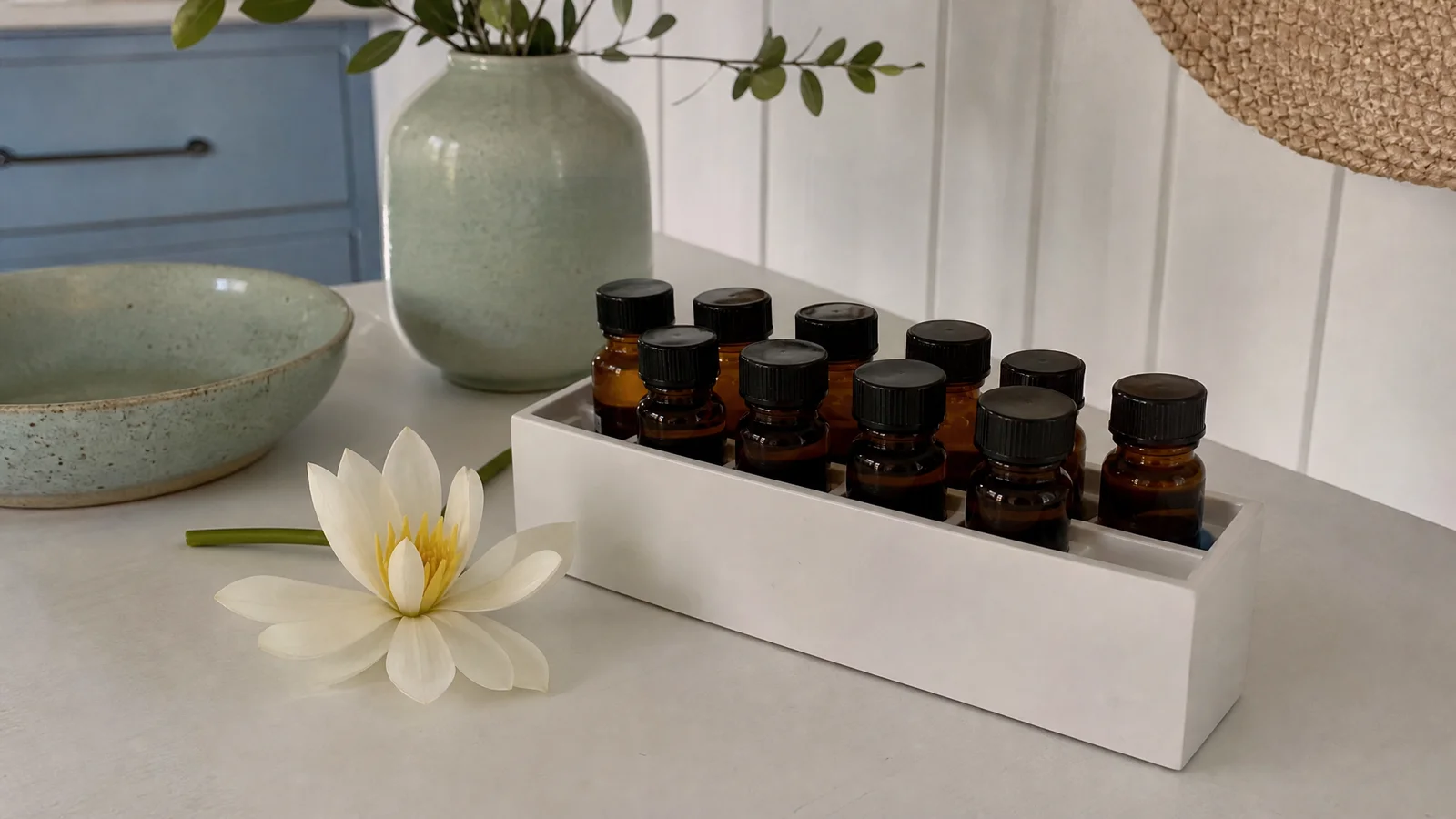
Ask three people what white lotus smells like and you may get three different answers, because they could be describing three different things: the living flower, an extract made from it, or a fragrance oil built to suggest it. They overlap less than the name implies. We describe our white lotus absolute as aquatic, honeyed and serene, and here is how that sits against what has been measured.
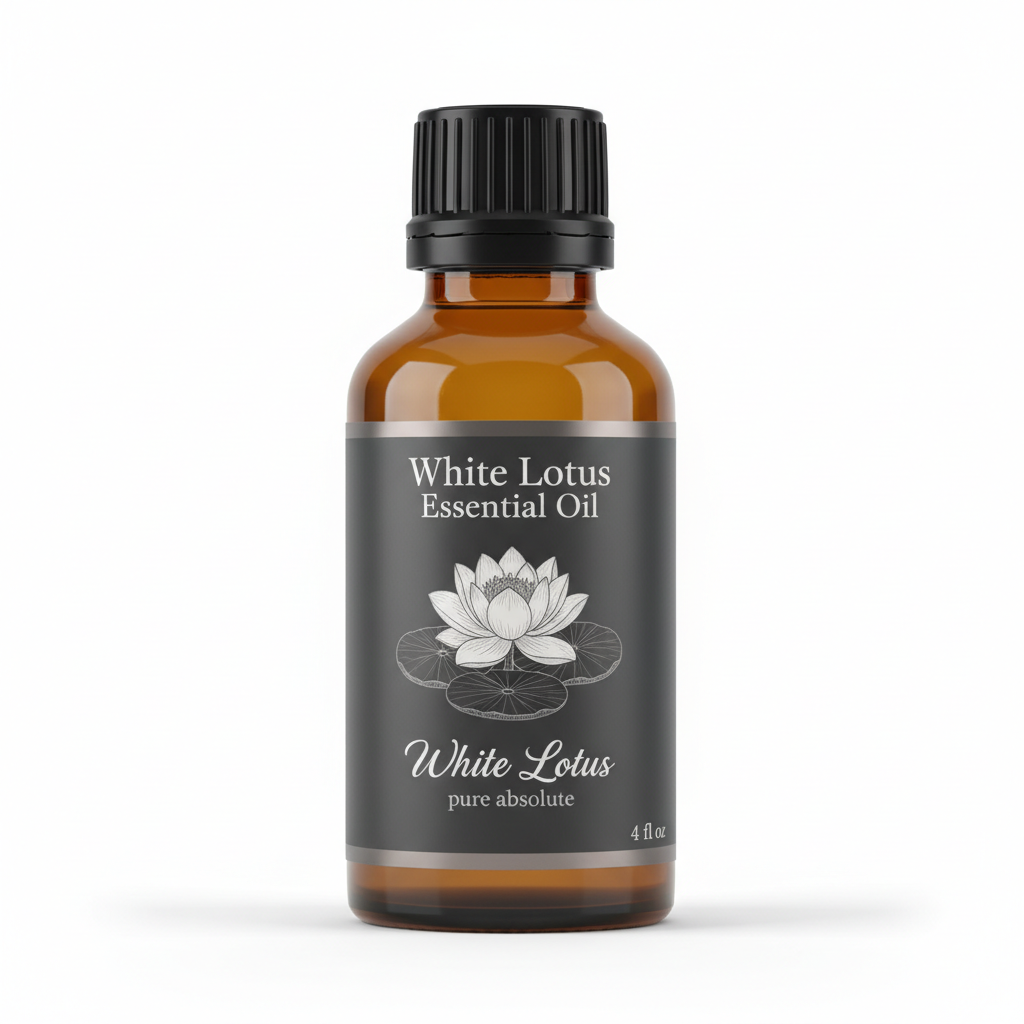
White Lotus Absolute
Our own White Lotus Absolute, in sizes from 0.5 oz to bulk.
From $23.99
Shop Now →The flower itself
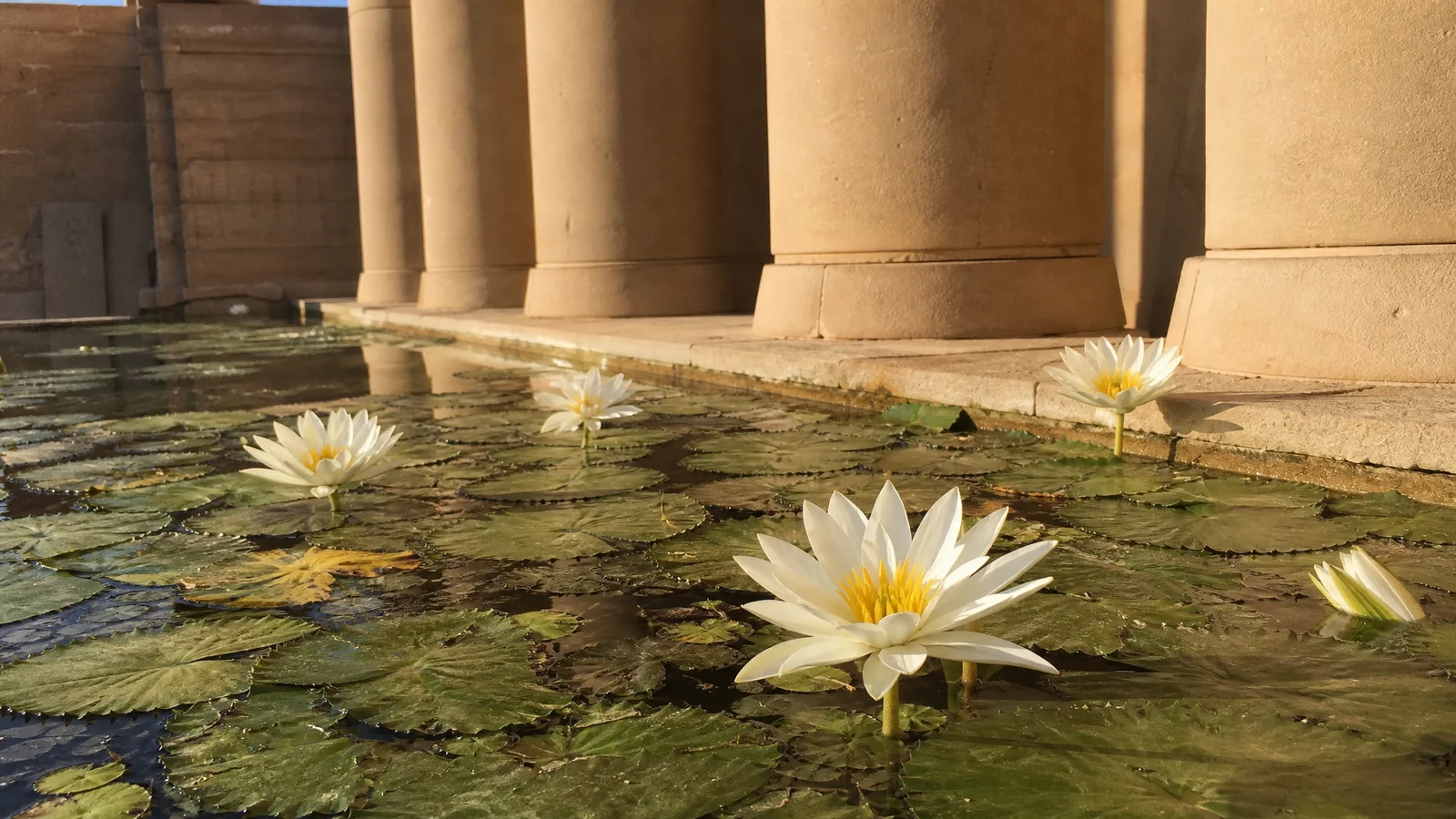
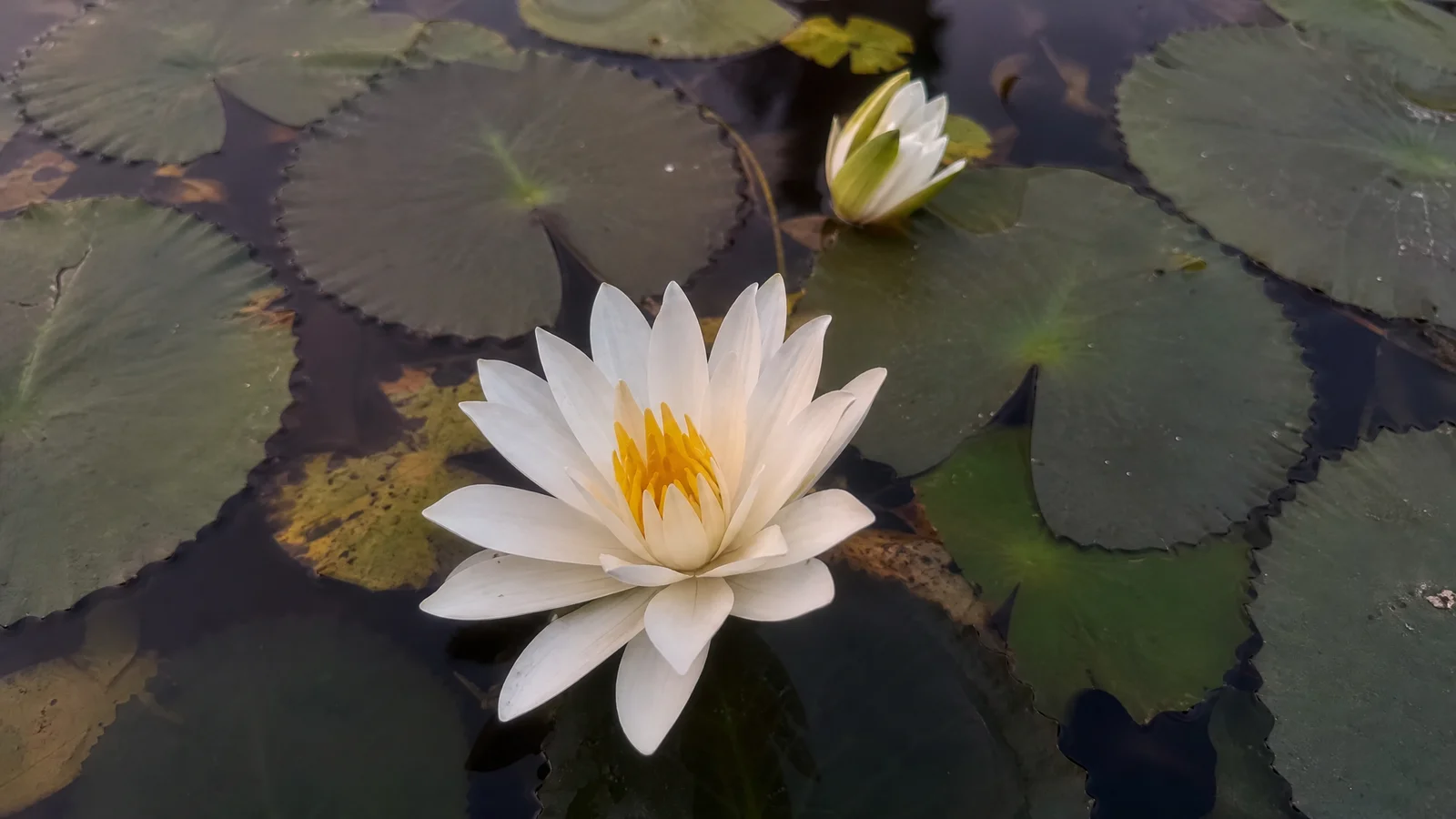
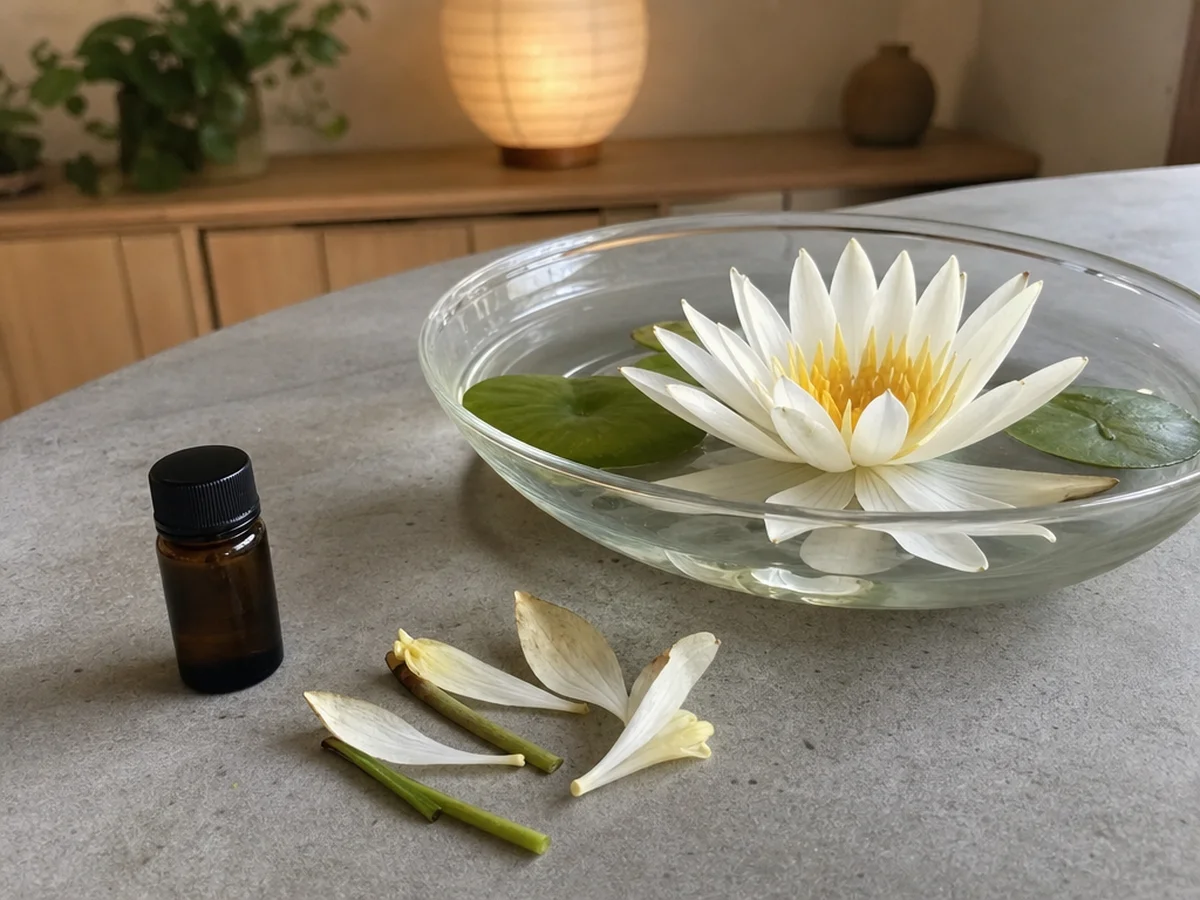
Scientists have sampled the air around living waterlilies and the picture is not one fixed perfume. A 2024 study of the cultivar Nymphaea 'Eldorado' found 60 volatile compounds across the flowering stages, with benzaldehyde, benzyl alcohol, benzyl acetate and a few woody-sweet terpenes among the most abundant. The scent peaked at full bloom, the stamens released the most, and the petals were richest in alcohols, esters and aldehydes. In plain terms, a waterlily's fragrance shifts with the cultivar, the hour of the flower's life and the part you smell.
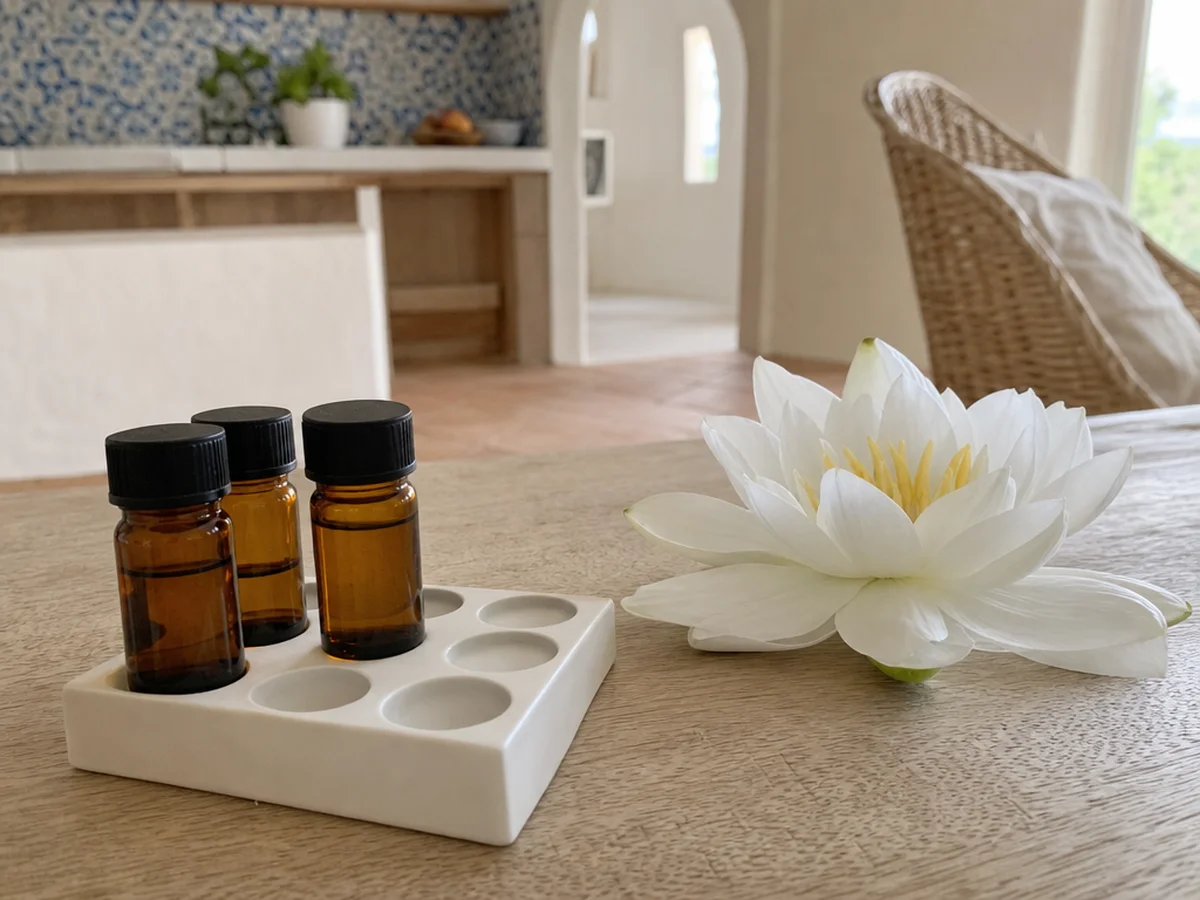
That study was on a cultivar, not on the species named on our label, so we use it as a window into how waterlily scent works and not as a description of our absolute. It does hint at why a petal-based extract could lean floral and fresh.
The absolute is a different animal
An absolute is not captured flower air. Solvents pull out what the blossom holds, then ethanol refines it, which is why an extract is warmer and heavier than the living flower. The one laboratory analysis of a lotus absolute we know of was done on blue lotus, a different species, grown in China. Its absolute contained benzyl alcohol at about 10.5% alongside waxy hydrocarbons and fatty acids, and the authors described the aroma as floral, fruity, sweet, fig-like, leathery and slightly herbaceous.
We read that as a clue to the shape of the scent. Benzyl alcohol is there in the flower's air and in the extract, but the slow, waxy material is only in the extract. Our reasoning, labelled as such, is that the honeyed, leathery side of an absolute probably comes from that slower fraction. It is a hypothesis and not a measurement for our oil.
Our own description is the one to hold on to: watery green florals over a warm, faintly spicy sweetness, settling into a soft leathery hush. We place it as a heart note, and we list sandalwood, frankincense, jasmine, rose, vetiver and soft musks as natural partners. Our Certificate of Analysis for one batch records that the aroma complies with a stated standard of floral, fresh and earthy, which is a pass mark and not a chemical portrait.
And the lotus in the candle aisle
Many people meet "lotus" first in a candle, a shower gel or a fragrance oil. Those are composed by perfumers to give a clean, watery impression. In that same blue lotus study, all eleven commercial products the authors bought online contained synthetic fragrance components, and none resembled the authentic extracts. If your idea of lotus is crisp and ozonic, an absolute may surprise you with its warmth. If the clean aquatic idea is exactly what you want, a fragrance oil or an accord built from other materials is a perfectly good route. We compare the two in our fragrance oil post, and the waterlily comparison explains why the word lotus alone does not name a plant.
Finding your own words
Scent vocabulary is slippery, so borrow words from things you know. Is the watery note more like cut stems, pond air or a rinsed glass? Is the sweetness closer to honey, ripe fruit or warm sugar? Does the end of it feel like suede, a leather bag or a clean wooden drawer? None of these has a right answer, and your own comparisons are the ones you will remember. Keep a short list in a notebook beside your blotters.
A small habit helps: smell at the same time of day, in the same room, with no cooking and no other scent around. Your impressions will be easier to compare from one session to the next.
It is also worth sniffing a jar of plain coffee beans or stepping into fresh air between blotters, so each new strip meets a clear nose.
How to meet it properly
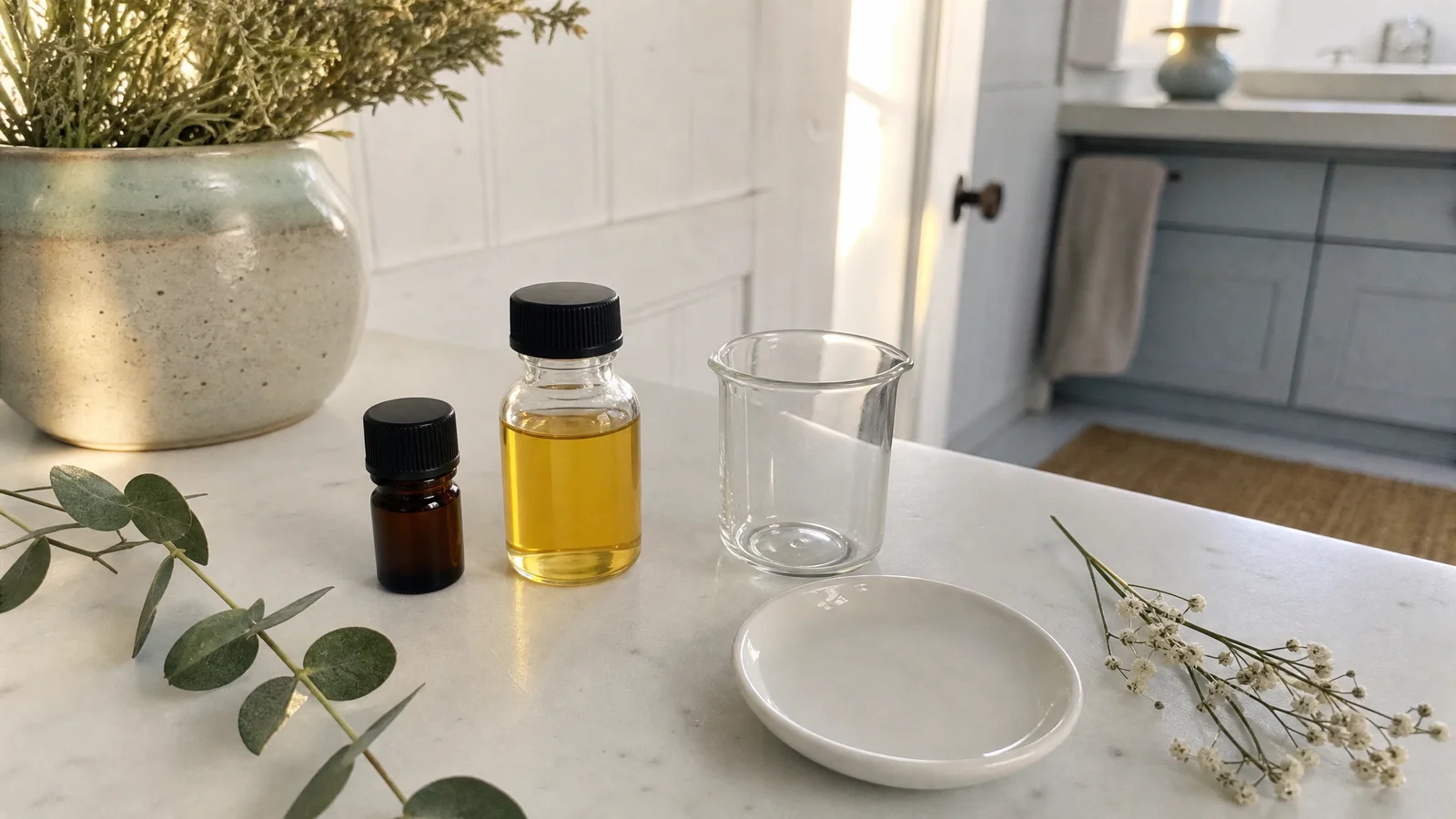
- Smell a dilute version. A thick, concentrated absolute is easy to misread. Put a measured dilution on a paper strip and keep it off your skin until you have patch tested. Our skin guidance is 0.5% to 2% in a carrier oil, and for judging scent a lower dilution reads more clearly.
- Come back to it. Sniff when fresh, again after a few minutes, and once more after an hour. A heart note shows itself over time.
- Give your nose a rest. A review of olfactory adaptation notes that repeated or prolonged exposure to an odorant typically lowers sensitivity to it, with recovery over time. A few brief sniffs and a break beat ten in a row.
- Write down your words first. Note what you expect before you read anyone's description, ours included, then compare.
The simplest way to learn what white lotus smells like is to smell it, briefly and more than once. For how it behaves in a composition, our perfumery post builds an aquatic floral heart around it, and the rose absolute comparison sets two floral heart notes side by side. Sandalwood, frankincense and the other partners come from a perfumery supplier. A description in words only gets you to the door; our absolute is in the shop to try, larger sizes are on our bulk page, and our guide to buying white lotus absolute in bulk covers what to check first.
White Lotus Absolute
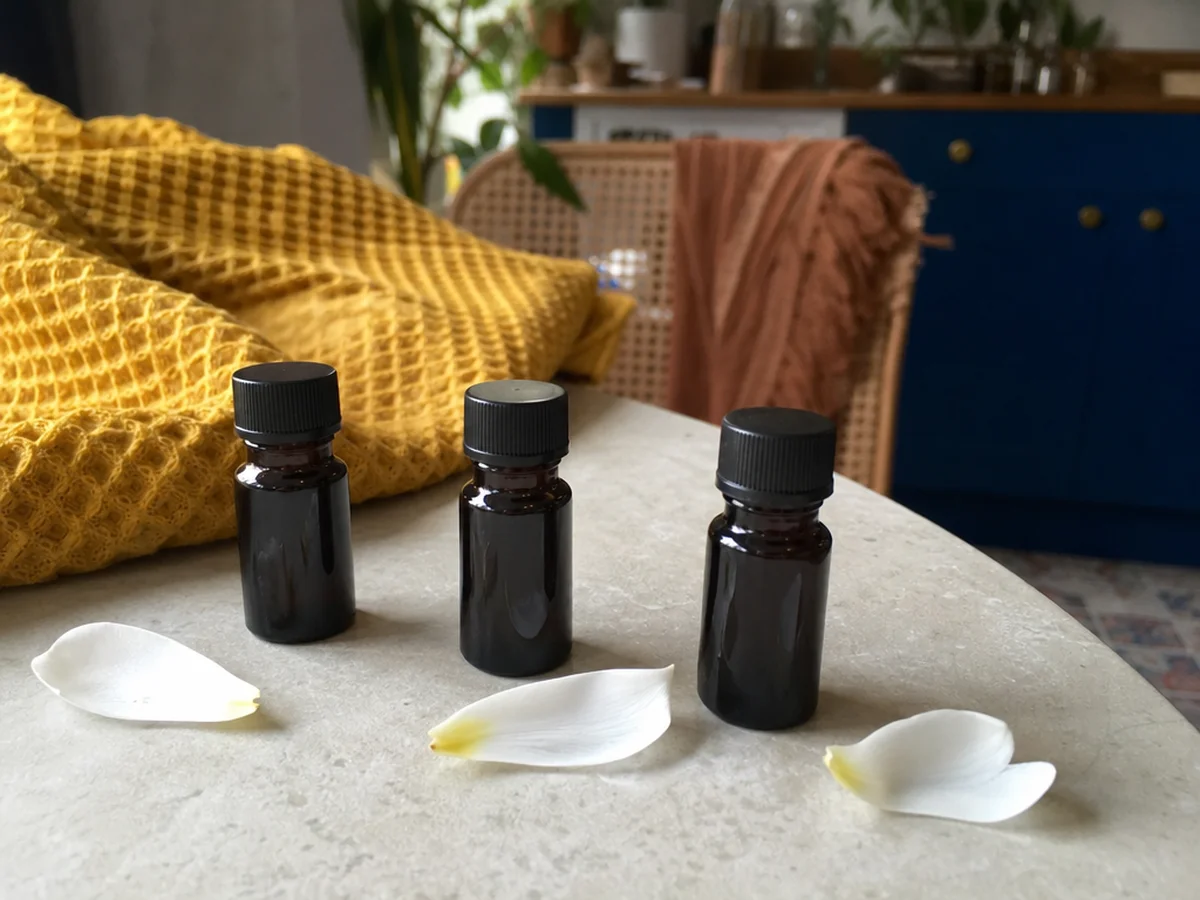
White Lotus Absolute from our own shop, in sizes from 0.5 oz to bulk.
From $23.99
Shop Now →Sources & Further Reading
- Zhou et al., 2024, Variation in the Floral Scent Chemistry of Nymphaea 'Eldorado', a Valuable Water Lily, with Different Flowering Stages and Flower Parts, Plants
- Dosoky NS et al., 2023, Chemical Composition, Market Survey, and Safety Assessment of Blue Lotus (Nymphaea caerulea Savigny) Extracts, Molecules
- Dalton P, 2000, Psychophysical and behavioral characteristics of olfactory adaptation, Chemical Senses