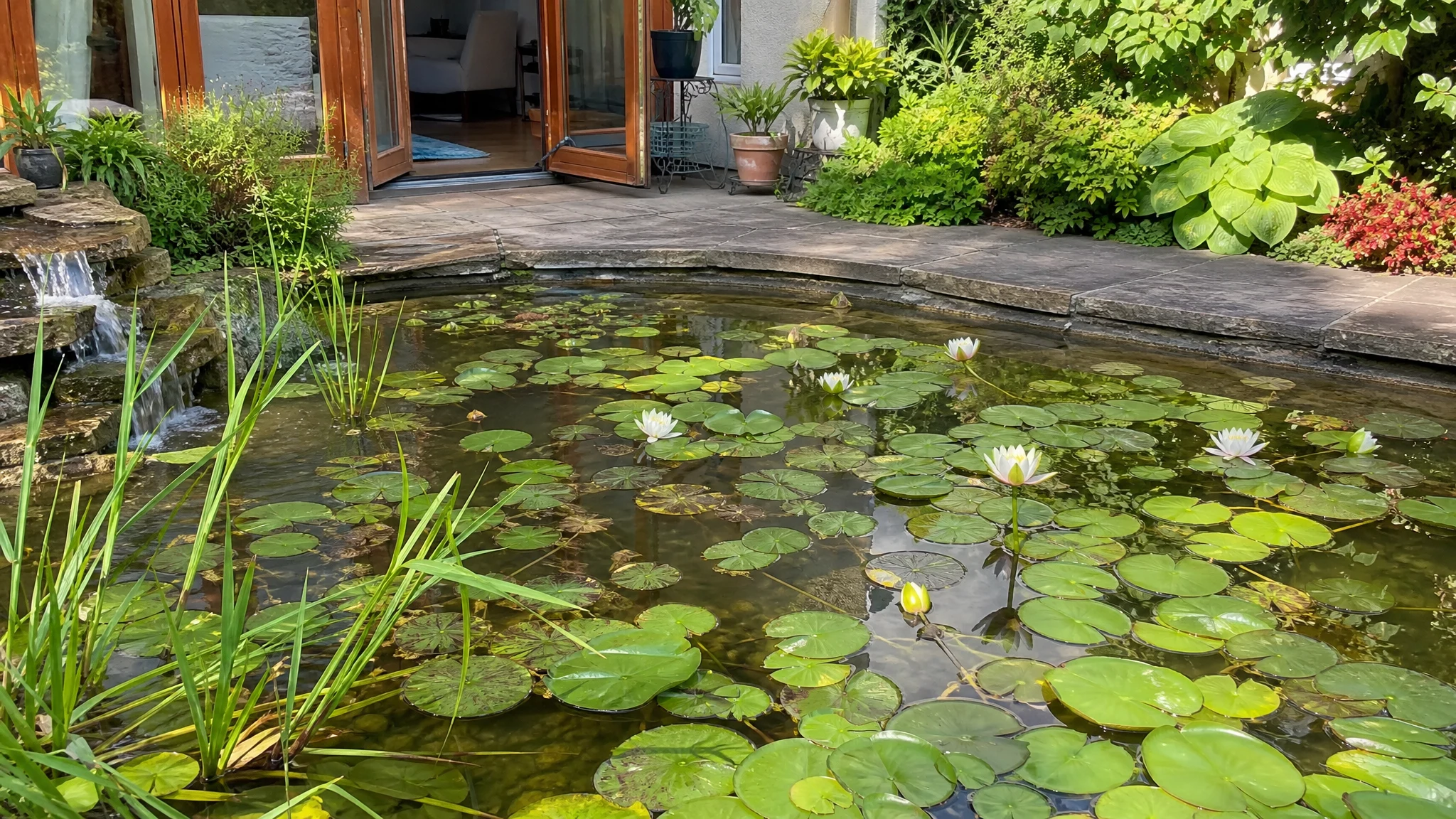
Is There an Organic Lotus Absolute? What the Label Means
"Is there an organic lotus absolute?" is a fair question, and the honest answer depends on what the word is meant to cover. We do not label our white lotus absolute organic and hold no organic certificate for it, so this article is about the rules themselves: what a certificate has to show, and why the solvents behind an absolute make the label a careful subject.
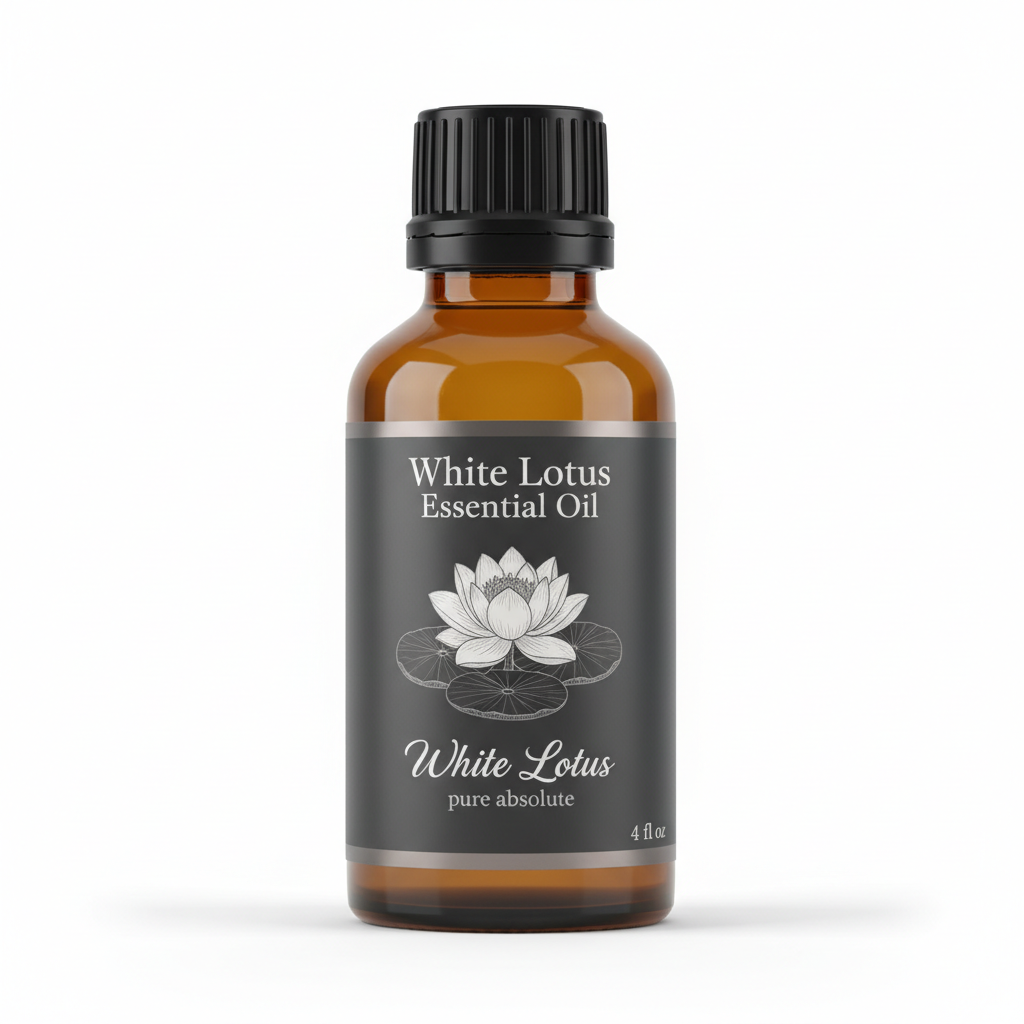
White Lotus Absolute
Our own White Lotus Absolute, in sizes from 0.5 oz to bulk.
From $23.99
Shop Now →Ask for the certificate, not the adjective
Under the USDA National Organic Program, a certificate of organic operation must be generated from the Organic Integrity Database (7 CFR 205.404). That makes it checkable: ask the seller for the operation's name and ID, then look the operation up yourself. A certificate belongs to an operation, and an absolute passes through at least a grower, an extractor and a bottler, so the scope line on the certificate matters more than the word on the bottle.
What the percentages mean
For a finished product, 7 CFR 205.301 sets the tiers. "100 percent organic" means every ingredient is organically produced (water and salt aside). "Organic" means at least 95 percent. "Made with organic (specified ingredients)" means at least 70 percent. Here is an arithmetic example: a 30 g facial oil with 0.3 g of lotus absolute is 99% everything else by weight. If the carrier were certified organic and the absolute were not, that comes to 99% organic content. Whether a non-organic perfumery absolute could fill the remainder is a question for your certifier, and we found no National Organic Program text that answers it. The point is that a tiny fragrance load does not make the absolute invisible: a certifier asks about every ingredient.
Why we are careful with the word
Organic is one of those words people reach for because it sounds reassuring, and we understand the instinct. We simply think a reassuring word should always be backed by a document. That is why we state plainly that our white lotus absolute is not labelled organic, and why we would rather help you ask the right questions than let an adjective do the talking. If organic matters to your work, you deserve a clear answer, not a hint.
Where the solvents come in
An absolute differs from a cold-pressed or steam-distilled material because it starts as a concrete, made with one or more solvents, which is then washed with ethanol (ISO 9235). The best-documented lotus example used hexane. We sell ours as a solvent-extracted absolute; for the specific solvent behind your lot, ask us in writing.
The organic handling rule, 7 CFR 205.270(c)(2), says a handler must not use, in or on products labeled organic, a volatile synthetic solvent or other synthetic processing aid not allowed under 205.605. Our text search of the 205.605 list found no entry for hexane or ethanol. We read that as what it is, a search result, and not a USDA sentence banning hexane. These sections govern organic food and agricultural handling, and we did not find National Organic Program text saying whether a perfumery absolute falls under the seal at all.
The FDA adds that it has no regulations defining "natural" or "organic" for cosmetics, so a cosmetic label can use the word without a USDA seal behind it. That is why the certificate carries the weight, not the adjective.
A good habit when you read any listing: underline the nouns and circle the adjectives. A certificate number, an operation name and a scope are nouns. "Pure", "natural" and "wildcrafted" are adjectives. Nouns can be checked, and adjectives can only be admired. You do not have to be suspicious of every adjective, just aware of which words you can follow up on.
A quick translation of common phrases
| On a listing | What to ask |
|---|---|
| "Certified organic" | The operation name and ID, and whether it covers the grower, the extractor and the bottler |
| "Wildcrafted" | Whether a certificate covers the harvest area, or whether the word is only a description |
| "Natural" | Nothing, since there is no FDA definition for cosmetics; treat it as a description |
If organic is your goal
If your product plan depends on an organic claim, start from the claim and work backwards. Write down the tier you want, list every ingredient in your recipe, and ask each supplier what they can document for that ingredient. Doing it in that order saves you from falling for a lovely scent and then discovering it cannot fit the label you wanted. It is far easier to choose an ingredient list around a certificate than to retrofit a certificate onto an ingredient list.
What we would do
If you are formulating a product you plan to label organic, ask your own certifier early whether a perfumery absolute can be an ingredient and under which tier, and gather the supplier's documents before you design the label. A different supplier will serve a certified project better than we can. If you simply want a floral heart note in a body oil or perfume, the organic question can be set aside, and the questions that matter are species, extraction method, allergen information and the batch document. They are covered in buying white lotus absolute, what to ask instead of a grade label and how lotus absolute is made.
A label is only as useful as the paperwork behind it, and we would rather say so plainly.
White Lotus Absolute
White Lotus Absolute from our own shop, in sizes from 0.5 oz to bulk.
From $23.99
Shop Now →Sources & Further Reading
- 7 CFR 205.301 Product composition, eCFR.
- 7 CFR 205.270 Organic handling requirements, eCFR.
- 7 CFR 205.605 Nonagricultural (nonorganic) substances allowed as ingredients in or on processed products labeled as "organic" or "made with organic (specified ingredients or food group(s)).", eCFR.
- ISO 9235:2021 - Aromatic Natural Raw Materials Vocabulary Standard, iTeh Standards.
- Aromatherapy, FDA.