
White Lotus Gift Guide: Rare Floral Luxuries for Special Occasions
Few gifts communicate genuine thoughtfulness quite like a rare botanical oil. A white lotus gift sits in a category of its own: it is expensive to produce, genuinely difficult to source with integrity, and unmistakably special to receive. Whether the occasion is a milestone birthday, a wedding, a significant anniversary, or simply an act of considered generosity, white lotus absolute and its related products carry a weight that mass-market fragrance simply cannot match.
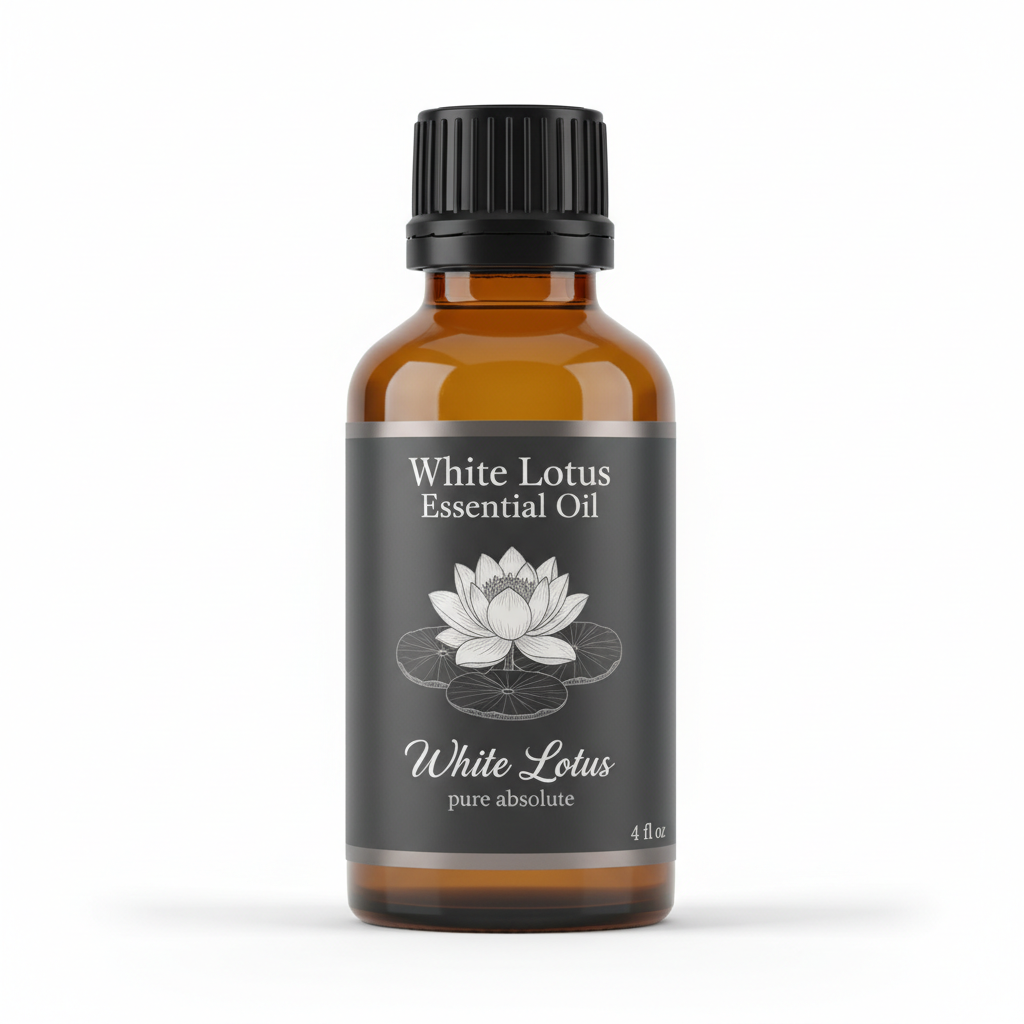
White Lotus Absolute
Our own White Lotus Absolute, in sizes from 0.5 oz to bulk.
From $23.99
Shop Now →This guide will walk you through what separates a worthy purchase from a disappointing one, how to compare options across different budgets, and where to shop with confidence.
Why White Lotus Makes an Exceptional Gift
White lotus (Nymphaea lotus or Nelumbo nucifera, depending on the species) has been prized in Egypt, India, and Southeast Asia for thousands of years. The absolute is extracted from the blossoms through solvent extraction, a slow and labour-intensive process that yields only small quantities from large volumes of flowers. The result is a thick, golden-to-amber concentrate with a scent profile that is simultaneously watery, powdery, floral, and faintly earthy.
That rarity is part of the gift. To understand just how scarce genuine white lotus absolute really is, and why the price reflects real production costs rather than marketing inflation, it helps to read our full breakdown on why white lotus absolute costs so much.
What to Look for: Quality Indicators
Not every product labelled "white lotus oil" contains genuine absolute. In fact, many do not. Here are the quality markers worth examining before you commit to a purchase.
Botanical Name on the Label
A reputable supplier will print the full Latin name (Nymphaea lotus, Nymphaea caerulea, or Nelumbo nucifera) on the label or product listing. If the listing says only "lotus oil" with no further specification, that is a signal worth heeding.
Extraction Method
True white lotus absolute is solvent-extracted or CO2-extracted. You will occasionally see "white lotus essential oil" listed at suspiciously low prices; lotus blossoms do not yield a steam-distilled essential oil in any commercially meaningful quantity. A product claiming to be a steam-distilled lotus essential oil at low cost is almost certainly a fragrance dilution or a synthetic blend.
Country of Origin
Egypt (particularly the Nile Delta), India, and Thailand are the primary producing regions for genuine white lotus absolute. Provenance matters, both for quality and for the story behind the gift. A well-sourced product will name the origin clearly.
Concentration and Carrier Base
Absolutes are sold either neat (undiluted) or pre-diluted in a carrier oil such as jojoba. Neat absolutes are more versatile for perfumery but require careful handling. Pre-diluted versions (typically 3 to 10 percent) are more practical for direct skin application in a gifting context. Always check which you are buying, as the price difference between the two is significant and the comparison is not straightforward.
Viscosity and Colour
Genuine white lotus absolute is viscous at room temperature, ranging from pale yellow to deep amber depending on the species and batch. A watery, colourless product sold as white lotus absolute should prompt further questions about its composition.
Key Features to Compare When Shopping
| Feature | What to Look For | Red Flag |
|---|---|---|
| Latin name listed | Full species name on label or listing | Generic "lotus oil" with no specification |
| Extraction method | Solvent extraction or CO2 stated clearly | "Steam distilled" lotus at low price |
| Origin | Egypt, India, or Thailand named explicitly | No origin information at all |
| GC/MS testing | Certificate of analysis available on request | No testing documentation offered |
| Packaging | Dark glass (amber or violet), sealed properly | Clear plastic or unsealed cap |
| Price per gram | Reflects genuine rarity (see price guide link) | Suspiciously cheap for a "pure" absolute |
Red Flags to Avoid
The white lotus category attracts more adulteration than almost any other floral absolute. Before you hand over your payment details, watch for these warning signs.
- Prices that seem too accessible for a pure product. Genuine white lotus absolute costs more per gram than most people expect. A "pure" product priced comparably to lavender or eucalyptus is not pure.
- No GC/MS certificate available. Gas chromatography and mass spectrometry testing is the industry standard for verifying composition. Reputable suppliers provide this on request.
- Overly sweet or one-dimensional scent. Synthetic lotus fragrances are often sweeter and flatter than the real thing. Genuine absolute has depth, a slight green or watery opening, and complexity that evolves on the skin.
- Vague ingredient lists. A diluted product should list its carrier oil clearly. If the ingredient list reads only "lotus oil" with no carrier mentioned for a thin, affordable product, the formulation is opaque for a reason.
For a thorough look at how common adulteration works in this category, our guide on how cheap white lotus oils are cut covers the subject in detail.
Top Picks at Different Price Points
A meaningful white lotus gift does not require spending without limit. The right choice depends on the occasion, the recipient, and how central the white lotus note is to what you want to give.
Entry Level: Diluted Absolute in Jojoba (Under $40)
A well-sourced 10 ml bottle of white lotus absolute pre-diluted to around 5 percent in jojoba oil is a generous and genuinely useful gift. It can be applied directly to pulse points, blended into an unscented lotion, or used in a personal fragrance project. Look for suppliers who specify the dilution percentage and name both the lotus species and the carrier oil clearly.
This tier works well for: fragrance enthusiasts just discovering white lotus, colleagues or friends who appreciate natural perfumery, or as part of a curated botanical gift set.
Mid-Range: Neat Absolute (5 ml, $40 to $120)
A small quantity of undiluted absolute is a serious gift for someone who knows what they are holding. Five millilitres of genuine white lotus absolute from a verified source will last a dedicated perfumer or aromatherapist a considerable time, given how sparingly the material is used. At this tier, GC/MS documentation and clear provenance should be standard.
This tier works well for: practising perfumers, collectors of rare botanicals, or anyone with a developed appreciation for fine natural fragrance materials.
Luxury Level: Curated Gift Sets and Bespoke Blends ($120 and above)
At the upper end of the market, white lotus absolute appears in two main gifting forms. The first is a curated set that pairs the absolute with complementary materials: Egyptian rose, blue lotus, jasmine sambac, or sandalwood, assembled as a perfumer's palette. The second is a bespoke or small-batch perfume oil in which white lotus is the heart note, crafted by a natural perfumer or botanical fragrance house.
Luxury gift sets from established natural perfume houses often include tasting notes, sourcing information, and application guidance. These details elevate the unboxing experience and make the gift feel genuinely considered.
This tier works well for: milestone occasions (significant birthdays, weddings, anniversaries), clients in creative or wellness industries, or anyone whose taste runs toward rare and artisanal objects.
Presentation and Packaging: the Details That Elevate a Gift
With rare botanical gifts, presentation reinforces the value of what is inside. A few things to look for when assessing the overall gift experience:
- Dark glass packaging. Amber or violet Miron glass protects photosensitive compounds from light degradation. It also signals that the producer understands their material.
- Informative inserts. A card that explains the origin, species, extraction method, and suggested uses transforms a bottle of oil into an experience. The best suppliers include this as standard.
- Secure outer packaging. Glass bottles travelling through postal networks need adequate cushioning. Brands that invest in protective outer packaging are less likely to cut corners on the product inside.
- Tamper-evident seals. Particularly important for gifting: the recipient should be able to see that the product is exactly as the brand delivered it.
Where to Buy with Confidence
Genuine white lotus absolute and luxury rare oil gift ideas are not available everywhere, and the platforms where they appear vary considerably in quality control.
Specialist Natural Perfumery Suppliers
Companies that focus specifically on natural perfume materials (rather than offering hundreds of essential oils as a sideline) tend to have stronger sourcing relationships and better quality control. Look for suppliers who publish GC/MS data openly, name their farms or co-operatives, and have been operating long enough to have a track record.
Direct-to-Consumer Botanical Brands
A growing number of botanical fragrance brands sell directly, with transparent supply chains and strong storytelling around provenance. These are often the best source for luxury perfume gift options because the brand's reputation depends entirely on the quality of their materials.
Artisan Perfumers
Natural perfumers who create small-batch perfume oils and balms often use genuine white lotus absolute in their formulations. Purchasing directly from a maker is a meaningful option for a recipient who appreciates craft.
What to Avoid
Large general-market platforms without curation, discount sites with no provenance information, and any listing that cannot direct you to a GC/MS certificate. For a full framework on assessing authenticity before you buy, our guide on how to buy white lotus absolute with confidence covers every step in detail.
A Note on Gifting Rare Botanicals Responsibly
White lotus is a plant with deep cultural significance across multiple traditions. Part of what makes a genuine white lotus gift meaningful is that it connects the recipient to a real place, a real harvest, and a real tradition of botanical craft. Supporting suppliers who pay fair prices to producers, use sustainable harvesting practices, and are transparent about their supply chain is not simply an ethical preference. It is what keeps this extraordinary material available for future seasons.
When you give someone a bottle of genuinely sourced white lotus absolute, you are giving them something that took considerable human effort and care to produce. That story is worth telling. Include a note with it.