How to Store White Lotus Absolute: Protecting a Delicate Floral
White lotus absolute is not a casual purchase. Extracted through solvent processing from the sacred Nymphaea lotus or Nelumbo nucifera blossom, it represents hours of skilled labor, precious raw material, and a scent profile that perfumers describe as nearly impossible to replicate synthetically. If you have invested in a quality white lotus absolute, how you store it will determine whether that investment holds its character for years or fades within months.
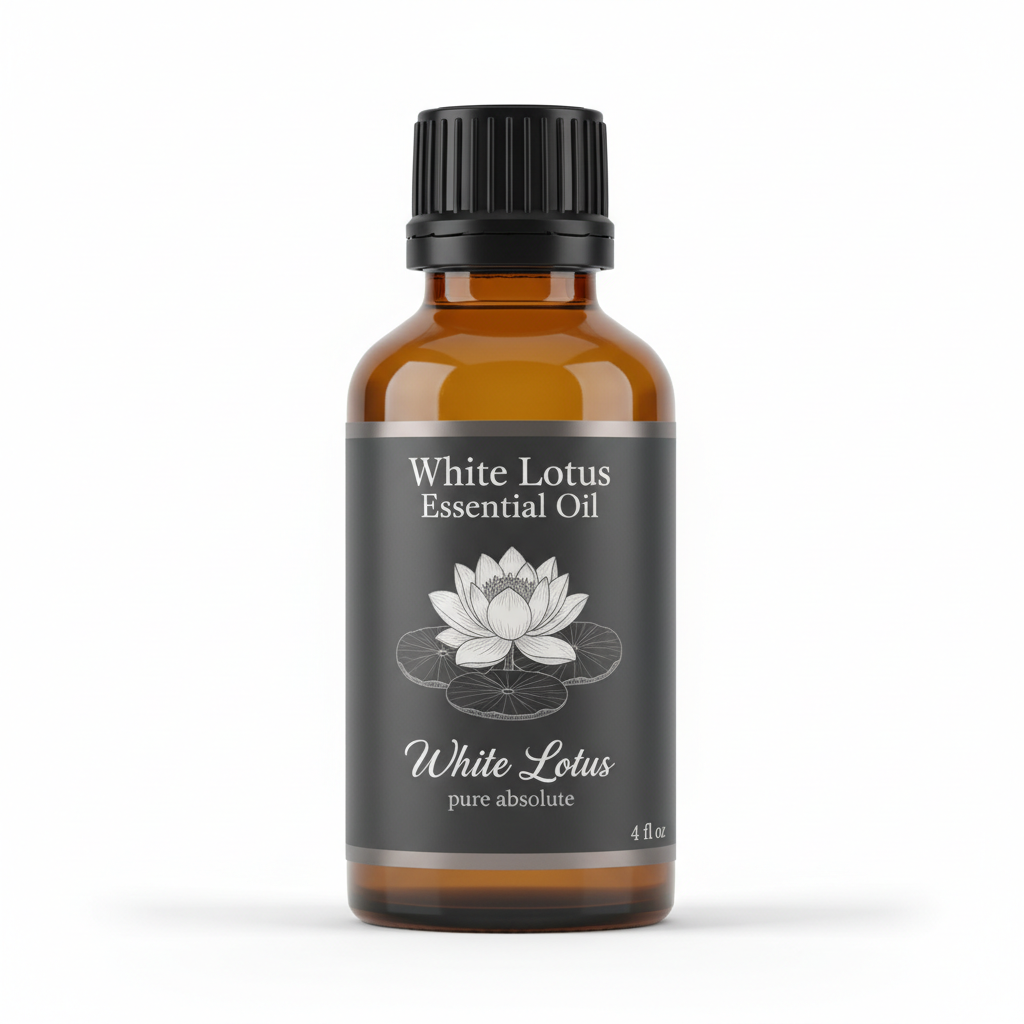
White Lotus Absolute
Our own White Lotus Absolute, in sizes from 0.5 oz to bulk.
From $23.99
Shop Now →This guide walks through every practical step of proper storage, from the materials you need before the bottle even arrives, to the long-term habits that protect the absolute's shelf life and aromatic integrity. If you are new to white lotus and want background on what this oil actually is and how it is produced, start with our complete guide to white lotus absolute before returning here.
Why Proper Storage Matters More for Floral Absolutes
Essential oils and absolutes degrade through three primary pathways: oxidation (exposure to oxygen), photodegradation (exposure to light), and thermal breakdown (exposure to heat or fluctuating temperatures). Floral absolutes are particularly vulnerable because their aromatic compounds, including delicate alcohols, esters, and trace aldehydes, are among the most fragile in the natural fragrance world.
White lotus absolute also tends to be thick and viscous at room temperature. This physical quality means that improper storage can cause it to thicken further into a nearly unusable consistency, or, at the opposite extreme, repeated warming and cooling cycles can accelerate chemical changes that dull its characteristic aquatic-floral top notes.
A well-stored white lotus absolute can maintain its aromatic profile and cosmetic quality for two to three years from opening, and sometimes longer if conditions are ideal. A poorly stored one may show noticeable scent shifts within six months. The steps below make the difference.
Materials You Will Need
- Dark glass bottles (amber or cobalt blue): At minimum 2 ml to 5 ml for decanting smaller working amounts. Avoid clear glass entirely.
- Tight-sealing caps or orifice reducers: Metal screw caps or glass stoppers with a snug fit. Orifice reducers slow oxidation by limiting the opening.
- A dedicated storage box or drawer: Opaque, away from windows and heat sources.
- Refrigerator space (optional but recommended): A small, dedicated section away from strong food odors.
- Adhesive labels and a permanent marker: For noting the purchase date, batch number, and first-opened date.
- Nitrogen gas (optional, for advanced users): Food-grade nitrogen in a small can, available from home winemaking suppliers, can displace oxygen in a partially used bottle.
- Clean pipettes or glass droppers: For dispensing without contaminating the main bottle.
- A soft cloth or paper towel: For wiping necks clean after use.
Step-by-Step Storage Instructions
-
Label Every Bottle Before You Open Anything
Before you even remove the cap for the first time, write the purchase date and the date you opened it on a label and fix it to the bottle. This single habit prevents a very common mistake: discovering a bottle with no idea how long it has been open. White lotus absolute shelf life is best measured from the opening date, not the purchase date, though both matter. If you received a batch number or certificate of analysis from your supplier, note that too.
-
Decant a Small Working Amount Immediately
Your main bottle should be opened as infrequently as possible. The moment you bring a new absolute home, decant a small working portion (typically 1 ml to 2 ml) into a separate dark glass vial with its own tight cap. This becomes your everyday bottle. The main supply stays sealed and stored, only opened when the working vial runs out. Every time you open the primary bottle, you introduce fresh oxygen. Limiting those openings is one of the highest-impact steps for preserving absolute shelf life.
-
Choose the Right Storage Location
The ideal storage environment is cool, dark, and stable in temperature. A dedicated drawer in a room that stays between 50°F and 65°F (10°C to 18°C) works well. A refrigerator is even better for long-term storage, particularly if you live in a warm climate or do not plan to use the absolute frequently. Use a small, sealed container inside the refrigerator to protect the absolute from food odors, which can migrate through imperfect caps over time.
Avoid: windowsills, countertops near stoves or kettles, bathroom cabinets that experience steam, and anywhere that receives direct sunlight for any part of the day.
-
Manage the Viscosity Before Each Use
White lotus absolute is naturally thick, especially if refrigerated. Do not heat the bottle directly or place it in hot water to thin it. Instead, hold the sealed bottle gently in your cupped hands for two to three minutes. Your body heat is enough to bring it to a workable consistency without introducing the thermal stress of a direct heat source. If using a pipette, warm the pipette tip briefly before drawing up the absolute.
-
Minimize Headspace in Partially Used Bottles
As you use an absolute, the empty space above the liquid (the headspace) fills with air, which means more oxygen in contact with your product. There are two practical ways to address this. First, transfer the remaining absolute into a smaller bottle so the headspace is reduced. Second, if you have food-grade nitrogen, a brief spray into the headspace before sealing displaces oxygen with an inert gas and can noticeably extend shelf life. This approach is more common among professional perfumers but is accessible to any dedicated hobbyist.
-
Wipe Bottle Necks Clean After Every Use
Any residue left on the neck or threads of a bottle can degrade, oxidize, and eventually introduce off-notes into the remaining absolute when the cap is next removed. After each use, wipe the neck and cap threads clean with a soft cloth or paper towel. This takes ten seconds and meaningfully extends the quality of what remains in the bottle.
-
Store Upright, Always
Store all bottles in an upright position. When a bottle rests on its side, the absolute is in constant contact with the cap seal, which can cause seepage, evaporation of lighter volatile compounds, and in some cases can degrade certain cap materials. Upright storage keeps the cap area dry and the seal intact.
-
Check Your Absolute Periodically
Every few months, open your working vial and take a brief scent evaluation. You are looking for any sharp, sour, or flat notes that were not present before, which can indicate early oxidation. A well-preserved white lotus absolute should retain its characteristic warm-aquatic floral quality with depth and sweetness. If you notice significant drift, it is worth assessing whether the absolute is still suitable for your cosmetic or aromatic purposes, and considering whether storage conditions need adjustment.
Tips for Long-Term Storage (Six Months or More)
- Refrigerator storage is the single most effective long-term strategy. A consistently cool environment slows oxidation dramatically. Many serious collectors keep their rarer absolutes refrigerated as a default.
- Avoid freezing. Freezing can cause some aromatic compounds to precipitate out of solution. Refrigeration is sufficient.
- Keep an inventory log. If you collect multiple floral absolutes, a simple spreadsheet with opening dates and storage locations prevents the frustrating discovery of forgotten, expired product.
- Purchase smaller quantities more frequently if you are a casual user. A 1 ml or 2 ml sample used within a year will always outperform a 5 ml bottle that sits half-open for three years.
Common Mistakes to Avoid
| Mistake | Why It Causes Problems | Better Approach |
|---|---|---|
| Storing in clear glass | UV light degrades aromatic compounds rapidly | Use amber or cobalt blue glass only |
| Leaving the main bottle open while working | Extended oxygen exposure accelerates oxidation | Cap immediately after each pour |
| Using direct heat to thin viscous absolute | High heat alters delicate aromatic compounds | Warm with cupped hands only |
| Storing near kitchen aromas (coffee, spices) | Strong odors can migrate through imperfect seals | Use a sealed secondary container |
| No labeling system | Impossible to track shelf life or batch quality | Label with purchase and open dates before first use |
| Skipping the decanting step | Frequent opening of the main bottle shortens its life | Always work from a small decanted amount |
What to Expect From Well-Stored White Lotus Absolute
When storage conditions are followed carefully, you may expect your white lotus absolute to retain its full aromatic complexity well beyond the first year. The scent profile, often described as a layered combination of soft floral warmth, faint green aquatic qualities, and a subtly earthy base, should remain recognizable and nuanced. Some users report that a properly stored absolute seems to develop slight additional depth over the first several months as it settles, though the aromatic character remains stable.
For cosmetic blending purposes, a well-preserved absolute will incorporate more predictably into carrier oils, waxes, and botanical bases. An oxidized or degraded absolute, by contrast, may produce unpredictable results in formulations and may show skin sensitivity potential that a fresh product would not. For a thorough overview of safe use practices and patch-testing guidance before working with this absolute, see our article on white lotus safety basics.
Storing White Lotus Absolute vs. Other Floral Absolutes
The principles above apply broadly to storing floral absolutes, but white lotus warrants a few additional notes compared to more common florals like rose or jasmine. Rose absolute, while also viscous, tends to be somewhat more forgiving of mild temperature fluctuations. Jasmine absolute is similarly delicate but typically less prone to rapid oxidation than some rarer botanicals.
White lotus absolute, given its relative rarity and the complexity of its aromatic profile, benefits most from the refrigerator storage approach and from the smallest possible working portions. Think of it less like a kitchen staple and more like a fine botanical extract that deserves the same conditions you would give a quality carrier oil pressed from cold-processed seeds.
If you have more questions about this absolute, including sourcing, typical quality markers, and how it compares to other lotus varieties, the white lotus FAQ covers fifteen of the most common questions in detail.
A Final Word on Sourcing and Starting Conditions
All the storage care in the world cannot compensate for an absolute that arrived already compromised. When you purchase white lotus absolute, ask your supplier for the batch date and, ideally, a certificate of analysis or gas chromatography report. A reputable supplier will be transparent about when the material was produced and how it was stored before shipping. Receiving a fresh, properly handled absolute gives your storage practices the best possible foundation to build on.
The effort involved in storing floral absolutes well is genuinely modest: a few dark bottles, a cool drawer or refrigerator shelf, a labeling habit, and attention to headspace. For an ingredient as rare and aromatic as white lotus absolute, that small investment of care is entirely worthwhile.