Best White Lotus Sizes: Why This Absolute Sells by the Drop
White lotus absolute is not priced like lavender or peppermint. A single gram can cost more than an entire bottle of many common oils, and that fact surprises first-time buyers every time. The reason comes down to yield: it takes an extraordinary volume of Nymphaea lotus blossoms, harvested at peak bloom, to produce even a modest quantity of absolute. Once you understand that reality, the sizing options on the market start to make a lot more sense.
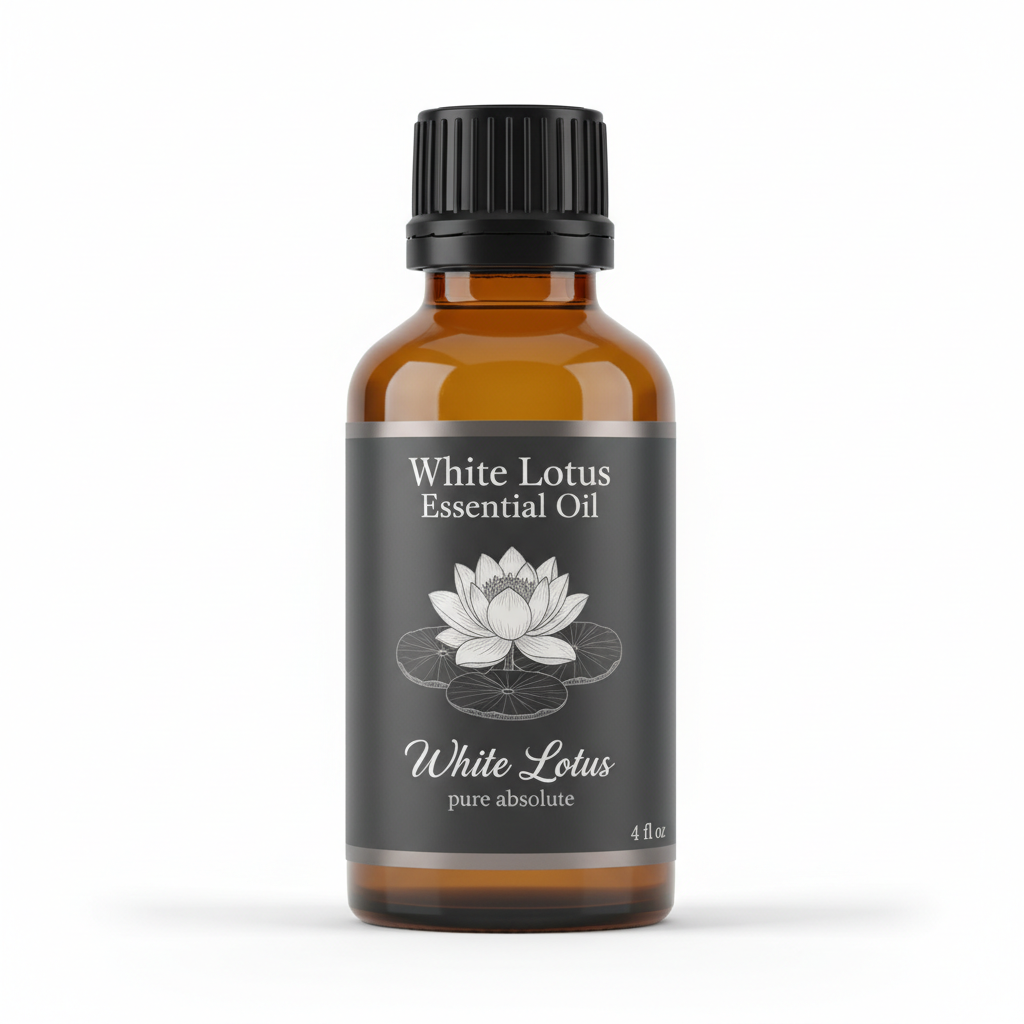
White Lotus Absolute
Our own White Lotus Absolute, in sizes from 0.5 oz to bulk.
From $23.99
Shop Now →This guide walks you through every common white lotus oil size, explains what each format is genuinely suited for, and gives you the tools to compare products before spending money on something that may disappoint.
Why White Lotus Absolute Is Sold in Such Small Quantities
Most absolutes from rare florals are sold in increments that feel almost comically small to anyone accustomed to buying carrier oils by the liter. For white lotus, the standard retail sizes run from 1 mL up to about 5 mL, with wholesale quantities starting around 10 g to 25 g. Specialty suppliers occasionally offer 1 g vials, which is actually a sensible entry point for evaluation purposes.
The small-bottle format is not a gimmick. It reflects the genuine scarcity of the raw material, the labor-intensive extraction process, and the need to maintain freshness. Absolutes oxidize slowly over time, and a small bottle used consistently will outlast a larger bottle opened repeatedly and stored carelessly.
If you are evaluating how to buy white lotus absolute and verify its authenticity, understanding the sizing conventions across reputable suppliers is a useful first step. Legitimate sellers frame their pricing around weight or milliliter volume with full transparency.
Common White Lotus Oil Sizes: What Each Format Offers
| Size Format | Typical Price Range | Best For | Notes |
|---|---|---|---|
| 1 mL / 1 g vial | $15 to $40 | First-time buyers, blenders sampling new stock | Ideal for evaluation; enough for multiple small blends |
| 2 mL / 2 g | $28 to $70 | Personal use, gifting, fragrance development | Good middle ground between cost and usability |
| 5 mL / 5 g | $65 to $160 | Regular personal use, small-batch cosmetic work | Most popular retail size among experienced buyers |
| 10 g to 25 g | $120 to $400+ | Indie perfumers, cosmetic formulators | Requires proper storage; often supplier minimum for wholesale |
| 100 g+ | Quoted on request | Commercial formulators, bulk buyers | See wholesale sourcing guidance below |
Price per gram drops as quantity increases, but the savings only make sense if you will actually use the oil before it degrades. For most individuals, the 2 mL to 5 mL range hits the right balance.
What to Look for: Quality Indicators That Matter
The best white lotus to buy is not necessarily the most expensive option. Price is one signal, but it is not the only one. Here is what actually separates a high-quality product from a disappointing purchase.
Botanical Sourcing Transparency
Reputable suppliers name the species clearly: Nymphaea lotus for white lotus or Nymphaea caerulea for blue lotus. These are distinct botanicals with different aromatic profiles. The country of origin should also be listed. Egyptian and Indian sourcing are most common for high-quality white lotus absolute. A product labeled only as "lotus oil" with no further detail is worth questioning.
Extraction Method
True lotus absolute is produced through solvent extraction followed by alcohol washing to remove the waxy concrete. Some suppliers offer CO2 extracts, which have a somewhat different aromatic profile. Steam-distilled "lotus essential oil" is technically possible but rare and often misrepresented. If a supplier describes their product as steam-distilled white lotus at a low price point, that is a significant red flag.
Color and Viscosity
Authentic white lotus absolute ranges from pale yellow to golden amber, occasionally with a slight green tint depending on the batch and season. It is typically semi-viscous at room temperature and may need gentle warming to flow freely from the bottle. A watery, water-clear product claiming to be white lotus absolute deserves scrutiny.
Scent Profile
The aroma of genuine white lotus absolute is layered and evolving. Initial impressions tend to be aquatic and green, opening into a warm, honeyed floral with subtle earthy undertones. It is softer and less sharply floral than jasmine, with a quiet depth that reveals itself over hours. A product that smells primarily of synthetic musk, artificial "clean" notes, or sharp aldehydes is likely not a true absolute.
GC/MS Testing and Documentation
Gas chromatography and mass spectrometry testing (GC/MS) analyzes the chemical composition of an oil and helps confirm its identity and purity. Suppliers who invest in this documentation and make it available to customers are demonstrating a meaningful commitment to quality. It is not a guarantee, but it is a strong signal.
Key Features to Compare Across Suppliers
- Dilution disclosure: Some suppliers sell white lotus pre-diluted in a carrier oil (jojoba is common) to make it easier to work with and reduce cost. This is perfectly legitimate, but the dilution percentage should be clearly stated. A 10% dilution in jojoba is very different from a 100% neat absolute.
- Batch dating: Look for a harvest or production year on the product page or label. Absolutes have a reasonable shelf life when stored properly, but older stock should be reflected in pricing.
- Packaging: Dark glass (amber or violet) is appropriate for absolutes. Clear glass or plastic bottles suggest the supplier is not prioritizing longevity.
- Return or sample policy: Suppliers confident in their product quality often offer sample sizes or clear return windows. Rigid no-return policies on expensive florals are worth noting.
- Customer service responsiveness: For a product at this price point, the ability to ask sourcing questions and receive informed answers matters.
Top Picks at Different Price Points
Rather than naming specific brands (supplier quality and availability shift), this section describes the characteristics of products worth buying at each tier.
Entry Level: Under $30 (1 mL Samples)
A well-sourced 1 mL vial from a reputable supplier is genuinely the best white lotus to buy for a first purchase. At this size, you can evaluate the scent, test compatibility with your formulas, and make an informed decision about a larger purchase. Look for suppliers who offer the same batch material in sample and full-size formats, so you know exactly what you are scaling up to.
Mid Range: $40 to $100 (2 mL to 5 mL)
This is the sweet spot for most buyers. A 5 mL bottle of quality white lotus absolute, used at typical perfumery rates of 1% to 3% in a blend, will last many months of regular use. In cosmetic work at 0.1% to 0.5%, even longer. Products in this range from established suppliers often come with GC/MS documentation and clear sourcing information.
Specialty and Wholesale: $100 and Above
At this level, buyers are typically formulators or perfumers with a clear plan for the material. The per-gram price is lower, but the commitment is higher. If you are considering quantities of 10 g or more, reading a detailed guide on wholesale white lotus absolute sourcing before purchasing is time well spent. Supplier relationships, minimum order requirements, and certificate-of-analysis standards all become more important at volume.
Red Flags to Avoid
The white lotus market has its share of mislabeled and adulterated products. These are the warning signs to watch for.
- Very low pricing: White lotus absolute cannot be produced cheaply. A 5 mL bottle priced under $20 as a "pure absolute" is almost certainly adulterated, synthetic, or mislabeled.
- No species name listed: Generic "lotus oil" without a Latin name is not a sufficient product description.
- "Steam distilled" white lotus at low cost: Legitimate steam-distilled lotus is uncommon and expensive. Cheap versions are almost never what they claim to be.
- Fragrance oil listed as essential oil or absolute: This distinction matters enormously for quality and intended use. The difference between white lotus absolute and lotus fragrance oil is significant, and the two are not interchangeable in cosmetic or aromatic work.
- No batch information or GC/MS available: For a product at this price, transparency about testing should be standard.
- Plastic packaging: Absolutes and high-concentration floral extracts should be stored in dark glass. Plastic indicates either a very diluted product or inadequate supplier standards.
Where to Buy White Lotus Absolute
The most reliable sources for small bottle absolutes tend to be specialty aromatic ingredient suppliers rather than general wellness retailers. A few categories worth considering:
- Dedicated natural perfumery suppliers: Companies focused on raw aromatic materials for perfumers often have the strongest sourcing relationships and documentation standards.
- Botanical extract specialists: Suppliers who focus on floral absolutes and CO2 extracts as a core category (rather than one product among hundreds) tend to offer more detailed provenance information.
- Direct importers with Egyptian or Indian sourcing relationships: Some smaller suppliers build direct relationships with producing regions, which can result in both better quality and more transparent storytelling around the material.
Avoid purchasing white lotus absolute from large general marketplaces where third-party sellers have minimal accountability. The lack of verification on those platforms makes adulteration difficult to detect, and returns on opened bottles are rarely straightforward.
A Note on Dilution and Usage Rates
White lotus absolute is potent. In fine fragrance blending, usage rates typically fall between 0.5% and 5% depending on the formula. In leave-on cosmetic products, rates are much lower. Even at minimal concentrations, the scent presence is notable.
For those new to working with absolutes: always dilute in an appropriate carrier before skin contact. Patch testing on a small area of skin before broader use is a sensible step regardless of the product. If you are formulating for sale, work with a cosmetic chemist to confirm appropriate usage levels for your specific product format.
The drop-by-drop nature of white lotus is not a drawback. It is precisely what makes a 2 mL or 5 mL bottle last as long as it does, and why the cost per use is often more reasonable than the upfront price suggests.
The Bottom Line on White Lotus Oil Sizes
Start with a 1 mL sample from a transparent, documentation-forward supplier. Evaluate the scent against your existing blends or fragrance preferences. If the material speaks to you, scale up to a 5 mL bottle for consistent personal or small-batch use. Reserve larger purchases for when you have a clear formulation plan and a supplier relationship you trust.
Small bottle absolutes are not a compromise. For a material this concentrated and this costly to produce, they are the sensible format. Buying by the drop is exactly how white lotus is meant to be used.